Best Job Search Sites in Japan for 2026: Compare Top Platforms
A comprehensive review of the top websites and apps for foreigners and locals seeking employment in the Japanese market.
6 months ago - Updated 2 months ago

The Japanese job market is undergoing a historic transformation. As we move through 2026, the combination of a shrinking domestic workforce and an aggressive push for digital transformation has made Japan more accessible to international talent than ever before. However, navigating this market requires more than just a standard resume; it requires tailoring your resume for every job and a deep understanding of which job search platforms yield the best results for your specific background.
Whether you are a software engineer looking for a high-growth startup in Shibuya, a bilingual marketing professional aiming for a multinational corporation in Minato, or an educator starting your journey in rural Hokkaido, the platform you choose will define your success.
In this comprehensive guide, we review the 10 best platforms to find Japan jobs, ranging from AI-powered career assistants to niche industry boards.
The Landscape of Finding Work in Japan in 2026
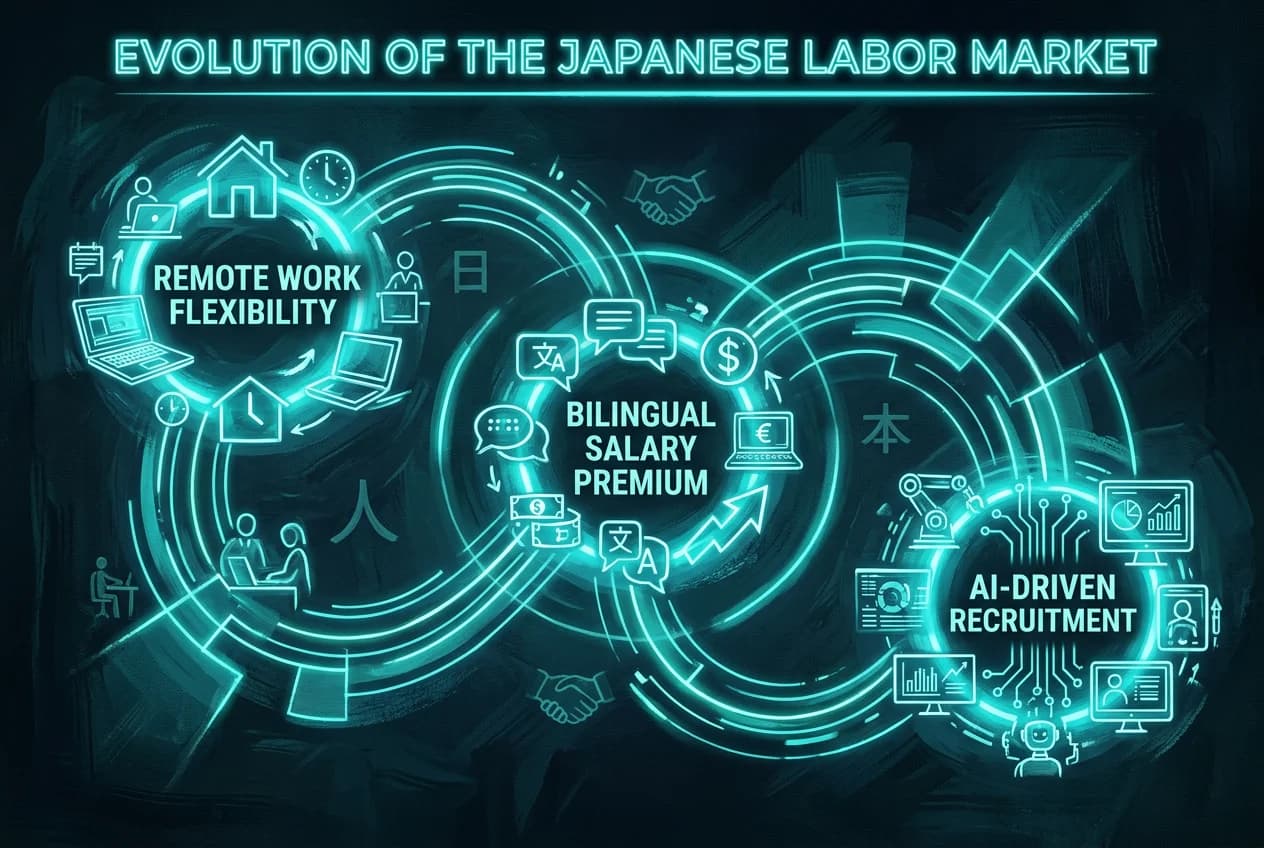
Before diving into the platforms, it is crucial to understand the current state of employment in Japan. The "Great Resignation" and the shift toward "Job-Hopping" (tenshoku) culture have finally taken root in Japan, challenging the traditional "Lifetime Employment" model. For foreigners and locals alike, this means more mobility and better bargaining power, especially with more companies expecting to offer salary raises to stay competitive in a tight labor market.
Key Market Trends
- Remote Work Flexibility: While some traditional firms have returned to the office, the tech and creative sectors have maintained hybrid or fully remote models, making a remote interview checklist a vital tool for modern applicants.
- The Bilingual Premium: Candidates with N2 or N1 JLPT (Japanese Language Proficiency Test) levels continue to command significantly higher salaries, often 20-30% more than their monolingual counterparts. You can verify these trends through the latest Hays Salary Guide for the Japanese market.
- AI Integration: Recruitment is now heavily driven by AI. From resume screening to automated headhunting, your digital footprint on these platforms matters more than ever.
1. Careerboom.ai: The AI-Powered Career Revolution

In the modern era of job searching, simply browsing listings is no longer enough. Careerboom.ai has emerged as a game-changer for those seeking to work in Japan. Unlike traditional job boards, this platform functions as an intelligent career co-pilot, specifically designed to bridge the gap between global talent and complex markets like Japan.
Why It’s a Top Choice
Careerboom.ai leverages advanced generative AI to help candidates optimize their profiles for the specific nuances of the Japanese market. It doesn't just show you jobs; it prepares you to win them.
- AI Resume Optimization: The platform analyzes your experience and suggests keywords that Japanese recruiters and ATS (Applicant Tracking Systems) are looking for.
- Interview Coaching: It provides simulated interview environments tailored to Japanese corporate culture, helping you practice everything from common job interview questions to handling technical questions in a Japanese context.
- Hyper-Personalized Matching: Instead of scrolling through thousands of irrelevant posts, the AI identifies roles that align with your long-term career trajectory and salary expectations.
Best For:
Ambitious professionals who want a technological edge and personalized guidance to navigate the competitive Tokyo and Osaka markets.
Pro-Tip: Use the AI cover letter generator on Careerboom.ai to write a cover letter that gets noticed instantly. It helps you strike the perfect balance between professional humility and confident expertise while ensuring you know how long a cover letter should be for the Japanese market.
2. LinkedIn: The Global Networking Powerhouse
LinkedIn is no longer just a "nice-to-have" in Japan; it is a primary tool for headhunters and internal recruiters at multinational companies (MNCs). If you are looking for Japan jobs in finance, tech, or executive management, using specific LinkedIn tips and tricks is non-negotiable.
Key Features
- Direct Access to Recruiters: Most "Gaishikei" (foreign-capital) companies in Japan post their roles here first.
- The Hidden Job Market: Many high-level roles are never publicly posted. They are often filled through a stealth job search strategy or direct "InMail" outreach from recruiters.
- Networking Groups: Joining groups like "Professional Women in Japan" or "Japan Tech Leaders" can provide insider referrals.
Pros and Cons
| Pros | Cons |
|---|---|
| Best for high-salary roles | High competition from global talent |
| Excellent for networking | Less effective for entry-level or non-office jobs |
| Integration with global profiles | Can be overwhelming with "ghost" listings |
3. GaijinPot Jobs: The Expat’s Best Friend
For over two decades, GaijinPot has been the first port of call for foreigners moving to Japan. It remains one of the most user-friendly job search platforms for those who may not yet have high-level Japanese language skills.
What Makes it Unique?
GaijinPot Jobs is specifically built for the international community. Every listing on the site is open to foreigners, and many offer visa sponsorship—a critical factor for those currently outside of Japan.
- Industry Focus: While heavily weighted toward English teaching (ALT/Eikaiwa), it has expanded significantly into IT, hospitality, and administrative roles.
- Ease of Use: The application process is streamlined, allowing you to apply with a single click once your profile is set up.
- Resource Hub: Their blog and forum provide invaluable advice on visas, housing, and life in Japan.
Best For:
Entry-level professionals, English teachers, and those looking for their first role in Japan with visa support.
4. Daijob: The Bilingual Professional’s Gateway
If you possess both English and Japanese skills, Daijob is where you go to monetize that bilingualism. It is one of the oldest and most respected career tools for the bilingual market.
Features for Success
- Language Level Filters: You can filter jobs specifically by your JLPT level or English proficiency (TOEIC/TOEFL).
- Scout Function: By making your resume public, you allow Japanese companies looking for specific language skills to "scout" you directly.
- Global Reach: They often host large-scale bilingual career fairs in Tokyo, which are excellent for face-to-face networking.
Best For:
Intermediate to advanced Japanese speakers (N3-N1) looking for mid-career roles in sales, marketing, and engineering.
5. Wantedly: The "Culture-First" Platform
Wantedly has revolutionized how young professionals and the startup community approach work in Japan. Eschewing the traditional focus on salary and benefits, Wantedly focuses on "Vision" and "Passion."
The "Casual Visit" Concept
The most unique feature of Wantedly is the "Casual Visit." Instead of a formal application, you can request to "Go play" (visit) the office. This allows you to meet the team, drink coffee, and see if the culture fits before any formal interview takes place.
- Startup Centric: It is the go-to platform for companies like Mercari, Rakuten, and hundreds of smaller tech startups.
- Social Integration: Your profile looks more like a social media page than a dry resume, allowing your personality to shine through.
- Minimalist Design: The app is sleek and reflects the modern Japanese tech aesthetic.
Best For:
Creative professionals, developers, and anyone who prioritizes company culture and "ikigai" (purpose) over traditional corporate structures.
6. TokyoDev: The Developer’s Gold Mine
For software engineers, the general job boards are often cluttered with low-quality "SES" (System Engineering Service) roles. TokyoDev solves this by curating high-quality tech roles specifically for international developers.
Why Developers Love It
- No Japanese Required: Most roles listed on TokyoDev are at companies where the primary working language is English.
- Salary Transparency: Unlike many Japanese sites that hide salary ranges, TokyoDev encourages or requires companies to list compensation.
- Tech Stack Focus: You can filter by specific languages like Ruby on Rails, Go, React, or Python.
Best For:
Foreign software engineers, data scientists, and product managers who want to work in "Modern Tech" environments in Japan.
7. Robert Walters Japan: The Premium Recruitment Agency
Sometimes, the best platform isn't a website, but a person. Robert Walters is a leading global recruitment consultancy with a massive presence in Japan. Their platform serves as a portal to some of the most prestigious roles in the country.
The Agency Advantage
When you apply through Robert Walters Japan, you aren't just sending a resume into a void. You are often assigned a consultant who specializes in your industry.
- Interview Preparation: They provide deep insights into the specific hiring managers and what they are looking for, often leveraging data from the Robert Walters Salary Survey to benchmark compensation.
- Salary Negotiation: They handle the awkward salary talk for you, often using salary negotiation secrets to secure higher packages than you could on your own.
- Exclusive Roles: Many Fortune 500 companies use Robert Walters exclusively, meaning these jobs won't appear on Indeed or LinkedIn.
Best For:
High-earning professionals in Finance, Legal, HR, and Supply Chain who want a "concierge" job search experience.
8. Indeed Japan: The Comprehensive Aggregator
Indeed is the most visited job site in Japan, and for good reason. It acts as a search engine, pulling listings from company career pages, small job boards, and even newspaper classifieds.
Maximizing Indeed
Because it is an aggregator, the sheer volume of Japan jobs on Indeed Japan is unmatched. However, this requires a strategic approach.
- Keyword Mastery: Use both English and Japanese keywords (e.g., "Software Engineer" AND "ソフトウェアエンジニア") to see the full spectrum of results.
- Company Reviews: Indeed’s integration with company reviews allows you to see what current and former employees think about the work-life balance.
- Alerts: Set up highly specific email alerts to catch new postings within minutes of them going live. Since managing dozens of applications across different sites can be overwhelming, CareerBoom.ai offers a centralized tracking dashboard to keep your search organized and efficient.
Best For:
Broad searches across all industries and locations, especially for those looking outside of the major hubs like Tokyo and Osaka.
9. Jobs in Japan: Transparency and Directness
Founded by expats for expats, Jobs in Japan has a reputation for transparency. They vet the companies that post on their site, ensuring that the roles are legitimate and foreign-friendly.
Key Highlights
- Video Introductions: The platform allows candidates to upload video introductions, which is a great way to stand out if you have a strong personality.
- Direct Employer Contact: Unlike agencies, this platform facilitates direct communication between you and the hiring manager.
- Diverse Categories: From seasonal ski resort work to high-level corporate consulting, the variety is impressive.
Best For:
Reliable, verified job listings and candidates who want to speak directly to employers without a middleman.
10. BizReach: The Executive "Scout" Platform
BizReach is Japan’s premier "scout-only" platform for high-income earners. It operates on a unique model where both the company and the candidate often pay for premium access, ensuring a high level of seriousness on both sides.
How it Works
You create a detailed profile, and instead of applying for jobs, you wait for "Platinum Scouts" (direct messages from companies or headhunters).
- High Salary Floor: Most roles on BizReach have an annual salary of 6 million JPY or higher, with many exceeding 15 million JPY.
- Executive Focus: This is the place for Directors, VPs, and specialized experts.
- Market Value Check: Even if you aren't looking to move immediately, seeing who scouts you is a great way to gauge your "market value" in Japan.
Best For:
Senior professionals and executives with high Japanese proficiency and a proven track record of success.
Comparative Analysis of the Top 10 Platforms
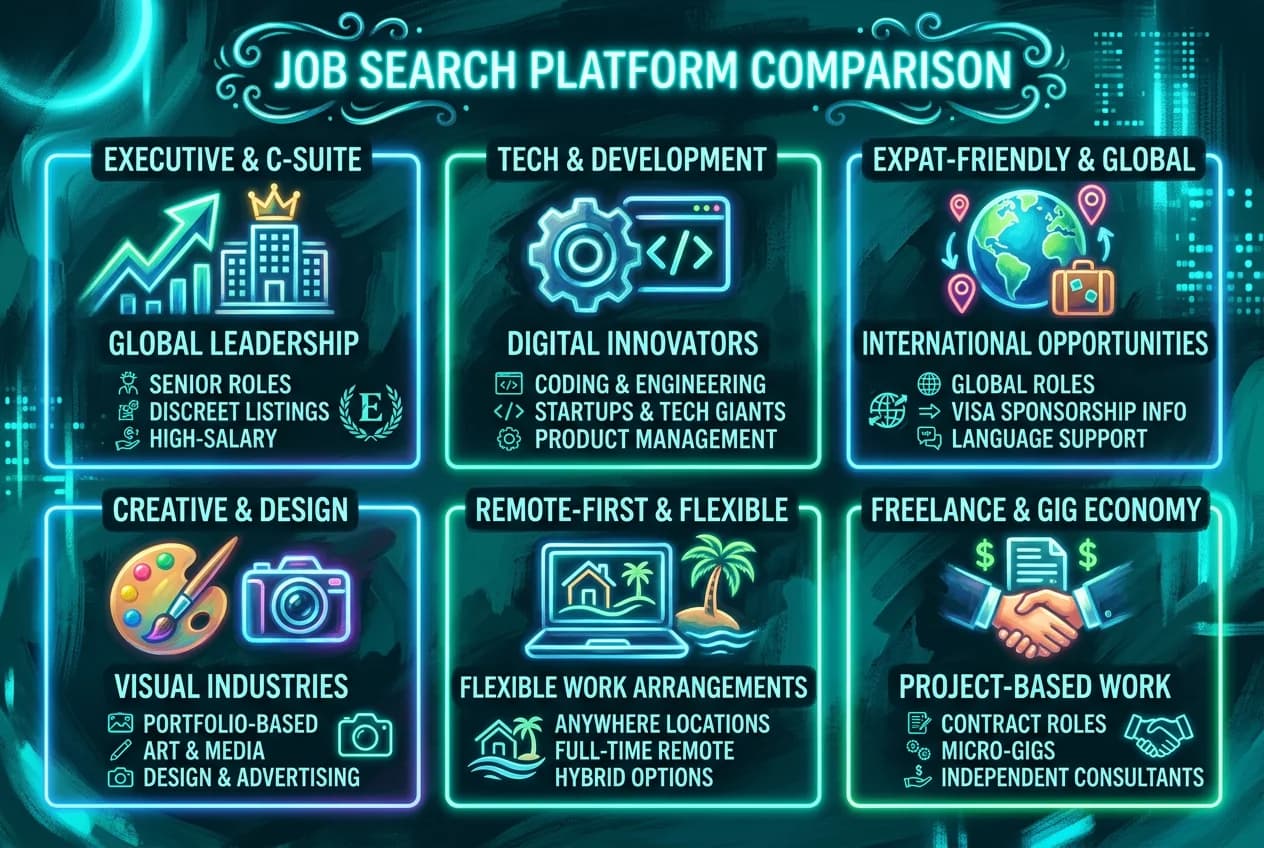
To help you decide which job search platforms are right for your current situation, we have compiled this comparison table.
| Platform | Primary Target | Language Requirement | Best Feature |
|---|---|---|---|
| Careerboom.ai | All Professionals | Any | AI Resume & Interview Prep |
| Corporate/MNCs | English/Japanese | Networking & Headhunting | |
| GaijinPot Jobs | Expats/Teachers | English | Visa Sponsorship focus |
| Daijob | Bilinguals | N3 to N1 | Bilingual-specific filters |
| Wantedly | Startups/Creatives | Any (mostly JP) | Casual Office Visits |
| TokyoDev | Tech/Developers | English | High-quality tech curation |
| Robert Walters | Executives/MNCs | Bilingual | Expert Recruitment Consultants |
| Indeed Japan | General Public | Any | Maximum volume of listings |
| Jobs in Japan | Expats/Locals | Any | Verified, direct listings |
| BizReach | High Earners | Japanese (High) | Exclusive Executive Scouts |
Critical Strategies for Success in the Japanese Market
Choosing the right platform is only half the battle. To successfully land work in Japan, you must adapt your approach to fit local expectations.
1. Mastering the Two Resumes
In Japan, you often need two different types of resumes:
- The CV (Resume): A standard Western-style document highlighting achievements and skills; ensure you avoid bad resume examples that can lead to immediate rejection.
- The Rirekisho: A standardized Japanese form focusing on personal details, educational history, and a professional photo.
- The Shokumukeirekisho: A detailed work history document (in Japanese) that explains your specific roles and contributions.
Careerboom.ai can be particularly helpful here, as it can help translate your Western achievements into the specific format and tone required for a Japanese Shokumukeirekisho.
2. The Importance of the "Professional Photo"
Unlike many Western countries where photos are discouraged to prevent bias, a professional photo is mandatory for most Japanese applications.
- Dress Code: Wear a dark suit (black or navy) with a white shirt.
- Expression: A neutral or slightly pleasant expression—avoiding common body language mistakes that might appear unprofessional in a Japanese context.
- Quality: Use a professional photo booth (found in most Japanese train stations) or a studio. If you are applying from overseas, CareerBoom.ai can generate professional AI headshots that meet these strict visual standards, saving you the trouble of finding a specialized photographer.
3. Understanding "Nenshu" (Annual Salary)
When discussing salary on these career tools, remember that Japanese companies usually talk in terms of annual salary, which includes your base pay plus seasonal bonuses (usually paid in June and December). Always clarify if the quoted figure includes these bonuses.
4. Navigating Visa Requirements
If you are applying from abroad, your primary hurdle is the Certificate of Eligibility (COE).
- Specialist in Humanities/Engineer: The most common visa for office workers and developers. Requires a degree or 10 years of experience.
- Highly Skilled Professional (HSP): A point-based visa that offers fast-track permanent residency.
- Working Holiday: Available to citizens of certain countries (e.g., Australia, UK, Canada) under age 30.
The Role of AI in Your 2026 Job Search
As we look toward the future of Japan jobs, AI is not just a buzzword—it is a necessity. Platforms like Careerboom.ai are leading the charge by automating the most tedious parts of the job search.
Imagine you find a perfect role on TokyoDev. Instead of spending hours tweaking your resume, you can input the job description into Careerboom.ai. The AI will:
- Identify the specific tech stack requirements.
- Suggest how to rephrase your past projects to highlight those skills.
- Generate a list of likely interview questions and killer questions to ask at the end of an interview to show your engagement.
- Translate your key talking points and words to describe yourself into polite Japanese (Keigo) if the role requires it.
This level of preparation is what separates successful candidates from the hundreds of others applying for the same role.
Industry-Specific Advice
For Educators
While GaijinPot is the king of teaching roles, don't overlook Jobs in Japan. If you are looking for university-level positions, check JREC-IN, the government portal for researchers and academics.
For Tech Professionals
Beyond TokyoDev and Wantedly, keep an eye on Forkwell and Findy. These platforms analyze your GitHub repositories to match you with companies that use similar coding styles.
For Hospitality and Service
With the tourism boom in 2026, hotels and resorts are desperate for staff. Indeed Japan and GaijinPot are your best bets here. Look for terms like "Niseko," "Hakuba," or "Okinawa" for seasonal opportunities.
Final Thoughts: Taking the First Step
 Finding your dream job in Japan is a marathon, not a sprint. The market is rewarding for those who show persistence, cultural adaptability, and technical proficiency.
By leveraging the power of Careerboom.ai for preparation, using LinkedIn for networking, and browsing niche sites like TokyoDev or Wantedly, you create a multi-channel strategy that covers all bases.
The Japanese economy is hungry for new perspectives and global talent. Whether you are already in Tokyo or planning your move from halfway across the world, these 10 job search platforms provide the roadmap you need.
Start today: Pick two platforms from this list that align with your current level, update your profile using AI-driven insights, and take the first step toward your new life and work in Japan. Your dream career in the Land of the Rising Sun is closer than you think.
Apply the instruction above to the article content. Return ONLY the full modified markdown content. Do not add explanations before or after. Keep all existing formatting, links, images, and structure unless the instruction specifically asks to change them. Write in en.
Frequently Asked Questions
Quick answers to common questions
The best platforms depend on your industry and language level. GaijinPot and Jobs in Japan are excellent for English speakers and teaching roles. For tech professionals, TokyoDev is the top choice, while Daijob and BizReach cater to bilingual professionals seeking high-salary corporate roles.
Not necessarily. While N2 or N1 JLPT levels offer a 'bilingual premium' and more options, many roles in IT, software engineering, and English education require little to no Japanese. Platforms like TokyoDev specifically curate high-quality jobs where the primary working language is English.
AI tools like Careerboom.ai revolutionize the search by:
- Optimizing resumes for Japanese Applicant Tracking Systems (ATS).
- Generating professional AI headshots required for Japanese applications.
- Providing AI interview coaching to help you navigate Japanese corporate etiquette and common questions.
In Japan, you typically need two documents:
- CV/Resume: A standard Western-style document highlighting achievements.
- Rirekisho: A standardized Japanese form focusing on personal history and education. Using Careerboom.ai can help you correctly format your experience for the Japanese Shokumukeirekisho (work history document).
Yes, LinkedIn is essential for finding roles at multinational corporations (MNCs) and 'Gaishikei' firms. It is the primary tool for headhunters to find executive talent and is vital for accessing the hidden job market through networking and direct recruiter outreach.
A 'Casual Visit' is a unique feature where candidates can visit an office to meet the team and discuss the company's vision without a formal interview. It focuses on cultural fit and passion rather than just salary, making it popular among startups and creative professionals.
To work in Japan, you generally need a Certificate of Eligibility (COE) sponsored by an employer. Most office roles require a university degree or significant professional experience. Platforms like GaijinPot are helpful because they allow you to filter for employers specifically offering visa sponsorship.
The Japanese market is seeing an increase in salary raises due to labor shortages. Bilingual candidates often earn 20-30% more, and there is a growing trend toward salary transparency on modern platforms like TokyoDev and BizReach, moving away from traditional hidden pay scales.
Was this article helpful?
Table of Contents
The Landscape of Finding Work in Japan in 2026
1. Careerboom.ai: The AI-Powered Career Revolution
2. LinkedIn: The Global Networking Powerhouse
3. GaijinPot Jobs: The Expat’s Best Friend
4. Daijob: The Bilingual Professional’s Gateway
5. Wantedly: The "Culture-First" Platform
6. TokyoDev: The Developer’s Gold Mine
7. Robert Walters Japan: The Premium Recruitment Agency
8. Indeed Japan: The Comprehensive Aggregator
9. Jobs in Japan: Transparency and Directness
10. BizReach: The Executive "Scout" Platform
Comparative Analysis of the Top 10 Platforms
Critical Strategies for Success in the Japanese Market
The Role of AI in Your 2026 Job Search
Industry-Specific Advice
Final Thoughts: Taking the First Step
1What are the best job search platforms for foreigners in Japan?
2Do I need to speak Japanese to find a job in Japan?
3How can AI help me find work in Japan?
4What is the difference between a CV and a Rirekisho?
5Is LinkedIn effective for job hunting in Japan?
6What is a 'Casual Visit' on Japanese job sites like Wantedly?
7How do I get a work visa for Japan?
8What are the salary trends for jobs in Japan in 2026?
Share this article
Other articles

40 LinkedIn Tips and Tricks You Should Use in 2026
Master LinkedIn's algorithm, optimize your profile, and accelerate your career with these proven strategies

Top 30 Common Job Interview Questions and Best Answers
Master your next interview with this comprehensive guide to the most common questions and how to answer them effectively.

How to Write a Resume with No Experience (Student & Entry Level)
A complete guide for students and entry-level professionals to landing their first job.