7 Essential Skills to Showcase on Your Fully Remote Job Resume to Get Hired
Discover the top 7 crucial skills to highlight on your resume to secure your dream work-from-home position.
7 months ago - Updated 3 months ago
The allure of remote work — from eliminating commutes to offering greater flexibility — has made it a highly sought-after arrangement. Over 95% of workers desire some form of remote or hybrid work, and for nearly two-thirds of employees, the option to work remotely has become the most important aspect of a job, even surpassing salary. This high demand creates a highly competitive job market, often described as the "Olympics of job hunting." To navigate this competitive landscape, your resume must do more than just list your previous responsibilities; it needs to explicitly demonstrate your aptitude for remote work.
Traditional resumes, often designed for in-office roles, frequently fall short in conveying these critical remote-specific competencies. Employers are no longer just looking for what you did; they want to see how you did it, especially in a virtual context. This is where "resume optimization" becomes paramount. For comprehensive advice on how to tailor your resume for various work opportunities, further resources are available. Your resume is often the first, and sometimes only, impression you make, and it needs to speak directly to the unique challenges and opportunities of a remote role.
Moreover, the initial gatekeeper for many job applications is not a human recruiter but an Applicant Tracking System (ATS). These software programs scan resumes for specific keywords, skills, and qualifications that match the job description. If your resume isn't optimized for ATS, it could be automatically discarded before a human ever sees it, regardless of your qualifications. For remote roles, this means integrating "remote-friendly keywords" and phrasing your experience to align with what ATS systems are programmed to detect for "work from home" positions. To avoid common pitfalls, consider reviewing bad resume examples that often get rejected.
Remote hiring managers, once your resume passes the ATS, are looking for clear signals that you understand and can excel in a distributed environment. They want reassurance that you can work effectively without constant supervision, communicate seamlessly across distances, and adapt to evolving digital tools and processes. They prioritize both soft skills, like teamwork and leadership, alongside technical proficiency. Therefore, your resume must clearly articulate not just your technical abilities but also your capacity for self-management, proactive communication, and effective virtual collaboration.
7 Essential Skills to Showcase on Your Fully Remote Job Resume
Securing a remote position requires demonstrating a unique blend of skills that prove your capability to thrive independently and collaboratively in a virtual setting. For a broader perspective on in-demand competencies, explore additional skills for remote jobs. Here are the seven essential skills to highlight on your resume, along with examples of how to effectively showcase them.
1. Self-Discipline & Time Management

In a remote work environment, the absence of direct supervision and the presence of numerous home-based distractions make self-discipline and robust time management skills non-negotiable. Remote workers are primarily accountable to themselves, needing to push through tasks even when motivation wanes. The ability to maintain focus amidst distractions, create and stick to a schedule, and prioritize tasks effectively is crucial for consistent productivity and avoiding burnout. Without these skills, the flexibility of remote work can quickly lead to missed deadlines and decreased performance.
Why it's crucial for remote work:
- Autonomy and Accountability: You are your own manager, responsible for your output and deadlines.
- Distraction Management: Home environments present unique distractions (family, chores, personal devices) that require strong self-regulation to overcome.
- Work-Life Balance: Setting clear boundaries between work and personal life is essential to prevent burnout, which relies heavily on self-discipline.
- Consistent Performance: Self-discipline ensures a steady output and consistent quality, regardless of external factors.
How to develop and demonstrate it:
Cultivate routines, set clear goals, use productivity tools (e.g., Trello, Asana, Notion) for task management, and practice prioritizing tasks. Reflect on instances where you successfully managed complex projects independently or met challenging deadlines without constant oversight.
Resume Examples:
"Managed an independent client portfolio of 10+ accounts, consistently exceeding quarterly performance targets by 15% through meticulous time blocking and proactive deadline management."
"Spearheaded the development and launch of a new CRM system remotely, completing the project 2 weeks ahead of schedule by implementing a strict daily work routine and leveraging project management software (Asana) for task prioritization."
"Maintained 98% on-time project delivery across a diverse workload of 5–7 concurrent projects by employing advanced time management techniques and self-accountability in a fully remote capacity."
"Successfully transitioned to a fully remote role with zero dip in productivity, establishing and adhering to a structured daily schedule that balanced deep work with collaborative meetings."
2. Proactive Communication
In a distributed team, the informal "water cooler" conversations and spontaneous check-ins are largely absent. This necessitates a highly proactive approach to communication. Effective communication serves as the backbone of any successful remote team, bridging geographical and temporal gaps to ensure everyone is aligned. Misunderstandings can easily arise when tone and intent are lost in digital messages, making clear, concise, and intentional communication vital for building trust and fostering collaboration.
Why it's crucial for remote work:
- Bridging Distance: It mitigates the challenges of not being in the same physical space, ensuring team alignment and understanding.
- Preventing Misunderstandings: Clear communication reduces ambiguity, especially in written formats where non-verbal cues are absent.
- Building Trust and Cohesion: Regular, transparent updates foster trust and a sense of connection among team members.
- Facilitating Problem-Solving: Open communication channels are essential for quick issue resolution and collaborative brainstorming.
How to develop and demonstrate it:
Focus on clarity, conciseness, and choosing the appropriate communication channel (email for documentation, chat for quick questions, video calls for complex discussions). Practice active listening in virtual meetings and provide regular updates without being prompted.
Resume Examples:
"Initiated and led weekly asynchronous project updates via Slack, resulting in a 20% reduction in redundant inquiries and improved team-wide clarity on deliverables."
"Presented complex data analysis to a remote executive team via Zoom, utilizing clear visuals and concise explanations to secure approval for a $500K budget allocation."
"Implemented a proactive communication protocol for client onboarding, providing daily written updates that increased client satisfaction scores by 10% in a fully remote role."
"Maintained seamless cross-functional collaboration with distributed engineering and marketing teams through consistent use of Slack, Asana, and bi-weekly video stand-ups, ensuring all stakeholders were informed and aligned."
3. Adaptability & Flexibility
The remote work landscape is constantly evolving, with new technologies, policies, and team structures emerging regularly. Adaptability is the ability to adjust one's behavior, mindset, and approach in response to changing circumstances while maintaining productivity. This includes navigating different time zones, embracing new collaboration tools, and adjusting to shifting priorities without compromising performance. Employees who can quickly learn and embrace new software, take on additional responsibilities, or adjust to team restructuring are highly valued.
Why it's crucial for remote work:
- Constant Change: Remote environments are dynamic, requiring workers to adapt to new tools, processes, and unexpected issues like technology failures or changes in team composition.
- Global Teams: Working with colleagues across different time zones or cultural backgrounds demands flexibility in scheduling and communication styles.
- Unforeseen Challenges: Remote workers often need to troubleshoot independently or quickly learn new skills to overcome obstacles without immediate in-person support.
- Embracing Innovation: The ability to quickly adopt new software or digital strategies is key to staying productive and competitive.
How to develop and demonstrate it:
Highlight instances where you successfully navigated significant changes, learned new software quickly, or adjusted your workflow to meet new demands. Emphasize a positive attitude towards change and a willingness to embrace new challenges.
Resume Examples:
"Adapted quickly to a sudden shift to a fully remote work model, maintaining 95% on-time project delivery and proactively identifying new virtual collaboration tools to enhance team efficiency."
"Successfully managed a diverse project pipeline across three different time zones, demonstrating flexibility in scheduling meetings and adapting communication strategies to ensure equitable participation."
"Embraced and mastered new project management software (Jira) within one week, leading to a 25% improvement in task tracking and reporting for the remote team."
"Navigated a company-wide restructuring and departmental merger in a remote setting, seamlessly integrating new responsibilities and collaborating with new team members to maintain workflow continuity."
4. Digital Fluency & Tech Savvy

Remote work is inherently digital, making strong digital fluency and tech-savviness indispensable. This goes beyond basic computer skills; it encompasses the ability to effectively and confidently utilize a wide range of digital technologies and tools for communication, collaboration, project management, and data analysis. Proficiency with virtual meeting platforms (Zoom, Google Meet), collaboration suites (Microsoft 365, Google Workspace), project management tools (Asana, Trello, Jira), and secure cloud storage is expected. A strong understanding of cybersecurity and data privacy is also increasingly important. Mastering these skills can help you robot-proof your paycheck in the evolving job market.
Why it's crucial for remote work:
- Tool Proficiency: Remote work relies heavily on digital tools for every aspect of the job, from communication to task management.
- Seamless Collaboration: Mastery of collaboration platforms enables smooth teamwork across distances.
- Productivity: Proficient use of digital tools automates processes, streamlines workflows, and enhances overall efficiency.
- Security: Understanding data privacy and cybersecurity protocols is essential for protecting sensitive information in a distributed environment.
How to develop and demonstrate it:
List specific software, platforms, and tools you are proficient in. Highlight any certifications or online courses related to digital tools, data analysis, or cybersecurity. Provide examples of how you've leveraged technology to improve processes or achieve results.
Resume Examples:
"Highly proficient in a suite of remote collaboration tools including Zoom, Slack, Asana, Google Workspace, and Microsoft Teams, facilitating seamless communication and project execution across distributed teams."
"Developed and managed a cloud-based document repository (SharePoint), improving data accessibility and version control for a 30-person remote department."
"Leveraged advanced Excel and Tableau skills to analyze complex sales data, creating interactive dashboards that improved remote team decision-making and boosted lead conversion by 18%."
"Successfully troubleshot and resolved 90% of technical issues independently within a remote IT support role, demonstrating strong diagnostic skills and familiarity with remote desktop software."
5. Problem-Solving & Resourcefulness
Working remotely often means you don't have a colleague or manager to turn to instantly when an issue arises. This makes independent problem-solving and resourcefulness paramount. Employers seek individuals who can identify problems, analyze underlying causes, think critically, and develop creative solutions without constant oversight. Being resourceful means knowing how to find information, utilize available tools, and work through challenges autonomously before escalating.
Why it's crucial for remote work:
- Independent Operation: Remote workers frequently encounter issues that require self-reliant troubleshooting and resolution.
- Reduced Immediate Support: The physical distance means less immediate access to colleagues or managers for quick answers.
- Critical Thinking: The ability to analyze situations, evaluate options, and make sound decisions independently is highly valued.
- Efficiency: Proactive problem-solving prevents delays and maintains workflow continuity in a distributed setting.
How to develop and demonstrate it:
Provide specific examples where you identified a challenge, took initiative to resolve it, and achieved a positive outcome. Emphasize your analytical skills, creativity, and ability to find solutions using available resources. Frame your accomplishments using the Challenge-Action-Result (CAR) framework.
Resume Examples:
"Identified a critical bottleneck in the remote client onboarding process, independently researched and implemented a new automated workflow, reducing onboarding time by 30%."
"Resolved complex software bugs for remote users by meticulously analyzing log files and collaborating asynchronously with the development team, leading to a 15% reduction in support tickets."
"Developed an innovative remote team-building initiative using virtual reality platforms, successfully boosting team morale and collaboration by 20% during a period of sustained remote work."
"Streamlined remote inventory management by designing a new data tracking system, preventing stockouts and saving the company an estimated $10,000 annually through proactive problem-solving."
6. Collaboration & Teamwork (Remote-Specific)
While remote work emphasizes autonomy, it doesn't mean working in isolation. Effective collaboration and teamwork are still critical — even more so when physical proximity is absent. Nearly half of all remote jobs require teamwork, making it the most in-demand skill. Remote teams need individuals who can actively contribute to shared goals, build rapport virtually, and leverage digital tools to facilitate collective success. This involves active listening, respectful communication, and a commitment to supporting colleagues across different locations and time zones.
Why it's crucial for remote work:
- Cohesive Teams: Building a sense of camaraderie and shared purpose is harder without in-person interaction, making intentional virtual collaboration essential.
- Project Success: Most projects require input and coordination from multiple team members, necessitating effective virtual teamwork.
- Shared Information: Collaborative practices ensure that knowledge is shared and everyone is working towards the same objectives.
- Bridging Silos: Proactive collaboration helps prevent information silos that can arise in distributed environments.
How to develop and demonstrate it:
Highlight experiences working on cross-functional or geographically dispersed teams. Mention specific collaboration tools you've used (e.g., Miro, Google Docs, Slack channels) and quantify your contributions to team successes.
Resume Examples:
"Collaborated effectively with a cross-functional team of 8 remote designers and developers using Jira and Slack, contributing to the launch of a major product feature three weeks ahead of schedule."
"Facilitated daily virtual stand-up meetings and weekly remote planning sessions, ensuring transparent communication and alignment across a 15-person distributed marketing team."
"Co-led a remote working group focused on improving internal documentation, resulting in a 25% increase in team efficiency and knowledge sharing for new hires."
"Actively participated in virtual team-building activities, fostering a positive remote team culture and contributing to a 10% increase in employee engagement survey scores."
7. Emotional Intelligence (EQ) & Empathy
Emotional intelligence (EQ) is the ability to recognize, understand, and manage your own emotions while responding effectively to others. In remote settings, where communication is largely digital and non-verbal cues are absent, EQ becomes even more critical for building trust, preventing misunderstandings, and fostering a supportive team environment. Empathetic leaders and team members can read between the lines of digital communication, address concerns proactively, and acknowledge effort — not just outcomes — strengthening psychological safety. This skill is foundational for connection, well-being, and guiding teams through change in a virtual world.
Why it's crucial for remote work:
- Reading Virtual Cues: Without face-to-face interaction, understanding subtle emotional nuances in written or verbal digital communication is vital.
- Building Trust: Empathy and self-awareness help leaders and team members build trust and psychological safety in virtual settings.
- Conflict Resolution: EQ enables effective conflict resolution by understanding underlying emotions and motivations in disputes.
- Supporting Well-being: Emotionally intelligent individuals can detect signs of stress or disengagement early in remote colleagues, offering timely support.
- Managing Stress and Self-Regulation: The ability to manage one's own emotions and stress is crucial for personal and team stability in the often-blurred boundaries of remote work.
How to develop and demonstrate it:
Showcase instances where you successfully resolved conflicts, built strong relationships with remote colleagues or clients, demonstrated active listening in virtual meetings, or provided empathetic support to team members. Mention leadership roles where you fostered a positive virtual team culture.
Resume Examples:
"Resolved complex customer concerns with empathy and clear virtual communication, increasing repeat business by 20% and improving customer satisfaction ratings."
"Mentored two junior remote team members, providing consistent support and fostering a psychologically safe environment that led to their successful integration and increased productivity."
"Mediated inter-departmental disagreements in a remote context, leveraging active listening and empathetic questioning to facilitate mutually beneficial solutions and restore team harmony."
"Led a virtual team through a period of significant organizational change, proactively addressing anxieties and maintaining high morale through transparent communication and empathetic leadership."
Beyond Skills: Advanced Resume Optimization for Remote Roles
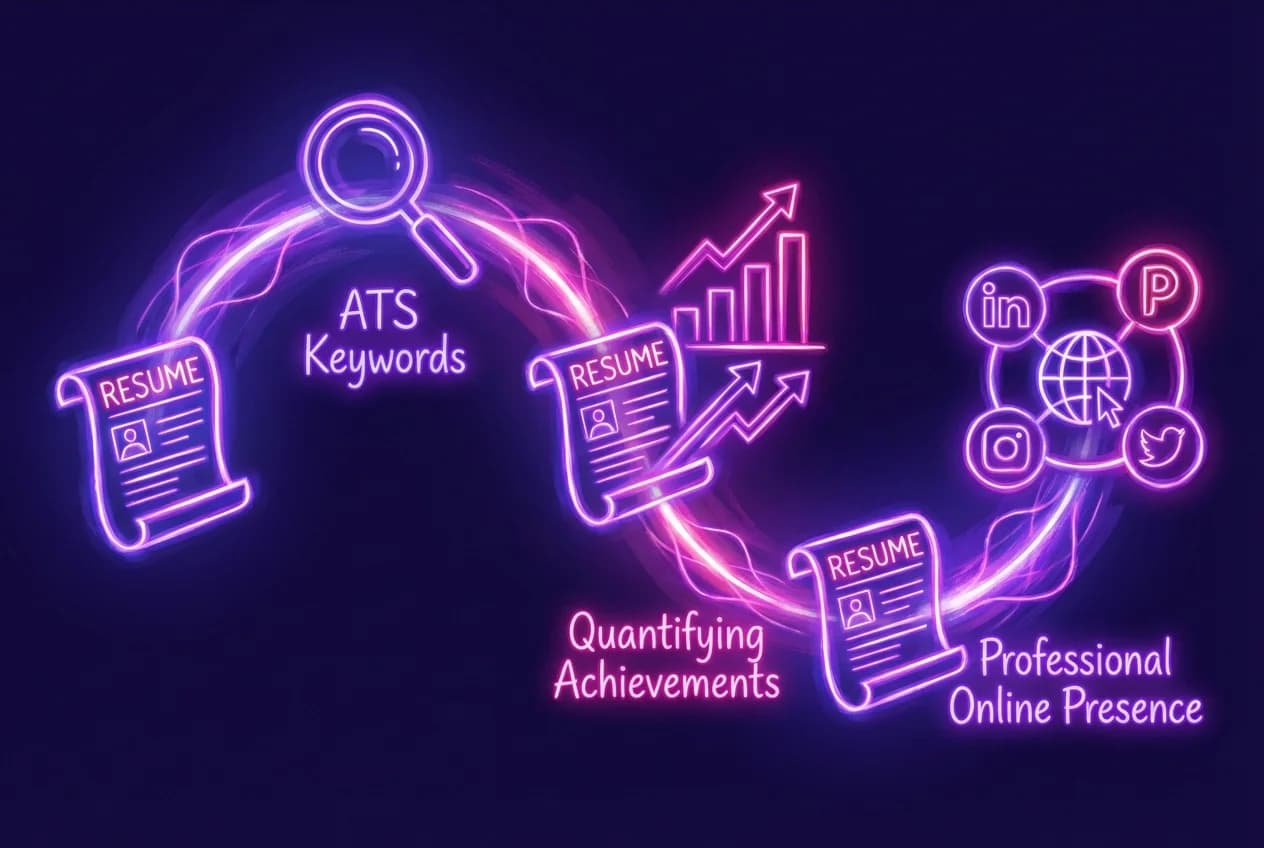
Even with the right skills, your resume needs to be strategically optimized to capture the attention of remote hiring managers and pass through Applicant Tracking Systems (ATS). This goes beyond simply listing your abilities; it's about presenting them in a way that resonates with the unique demands of "work from home" positions. For more detailed guidance, learn how to optimize your resume for remote jobs.
Tailoring for ATS
Applicant Tracking Systems are the first hurdle for many job applications. These systems parse resumes for keywords, skills, and qualifications, often filtering out documents that don't meet specific criteria. To ensure your resume makes it past the ATS, consider leveraging AI-powered platforms like CareerBoom.ai which can help align your resume and cover letter directly with job descriptions, ensuring optimal keyword integration.
- Keyword Integration: Carefully analyze each remote job description. Identify required competencies and recurring keywords, then integrate them naturally throughout your resume. Avoid "keyword stuffing," which can reduce readability and trigger flags.
- Clean Formatting: ATS systems struggle with complex designs, graphics, tables, or columns. Stick to a simple, clean, single-column layout with standard section headers (e.g., "Experience," "Education," "Skills").
- Standard Fonts: Use professional, easy-to-read fonts like Arial, Calibri, or Times New Roman.
- Bullet Points: Use concise bullet points instead of dense paragraphs to list achievements, as these are easier for ATS software to scan and interpret.
Quantifying Achievements
Numbers speak louder than words on a resume. Quantifying your accomplishments provides concrete evidence of your impact and effectiveness, which is particularly vital in remote roles where direct observation is limited. Instead of vague statements, use metrics to demonstrate your contributions.
Tips for quantifying:
- Impact on Revenue/Cost Savings: "Generated $X in new revenue" or "Reduced operational costs by Y%."
- Efficiency Improvements: "Streamlined process, cutting project delivery time by Z%."
- Scale of Responsibility: "Managed a team of X remote employees" or "Oversaw projects with budgets up to $Y."
- Growth/Improvement: "Increased customer satisfaction scores by X%" or "Boosted team productivity by Y%."
Instead of "Improved team performance," write:
"Boosted team productivity by 25% in six months by restructuring workflows and implementing mentorship pods across three time zones."
Highlighting Remote Experience
Make it unequivocally clear that you have experience working remotely or are prepared for it. This can be done in several ways:
- Resume Header/Summary: Explicitly state "Remote" or "Location-Independent" in your professional title or summary.
- Work Experience Descriptions: In the descriptions of your previous roles, emphasize accomplishments achieved in remote or hybrid settings. Use phrases like "managed remotely," "collaborated with a distributed team," or "excelling in a hybrid environment."
- Dedicated Skills Section: Create a section for "Remote Work Skills" or integrate them into a broader "Skills" section, listing tools and methodologies relevant to remote work.
Crafting a Compelling Summary/Objective
Your resume summary or objective is prime real estate. It's the first thing a hiring manager sees and should immediately convey your fit for a remote role.
- Professional Summary: Use this section to demonstrate experience with virtual collaboration and distributed teams. Mention platforms and systems you are skilled at navigating.
- Highlight Key Skills: Weave in 2–3 of the most relevant remote skills from this list, backed by a brief, impactful achievement.
- Express Remote Preference: If you're seeking a remote role but lack prior remote experience, explicitly state your desire and preparedness for a "work from home" position.
Here's an example of a strong summary:
"Customer-focused professional with 5+ years resolving complex issues, recognized for adaptability and strong communication skills in fast-paced, remote environments."
Professional Online Presence
In the digital age, your online presence is an extension of your resume.
- LinkedIn Profile: Ensure your LinkedIn profile is up-to-date, mirrors your resume, and highlights your remote work experience and skills. It's an essential platform for showcasing your professional journey and industry engagement. If applicable, include links to an online portfolio or personal website that showcases your work and further demonstrates your digital capabilities. Ensure these links are clickable. Your LinkedIn profile is an essential platform for showcasing your professional journey and industry engagement.
Formatting and Presentation: Making Your Remote Resume Shine
The visual presentation of your resume is almost as important as its content, especially when aiming for remote roles. A well-formatted resume ensures readability, professional appeal, and ATS compatibility.
Clean, Simple, ATS-Friendly Design
As mentioned, ATS systems prefer simplicity. Avoid elaborate designs, fancy graphics, or unusual layouts that might confuse the software.
- Minimalist Vibes: Opt for a clean, minimalist template. Focus on clear sections and ample white space to make your resume easy to scan.
- Standard Headers: Use clear and standard section headers like "Summary," "Experience," "Skills," and "Education."
- No Headers or Footers: Some ATS systems cannot properly read information placed in headers or footers, so avoid putting critical contact information or keywords there.
File Types
Always save your resume in a standard and widely accepted file format.
- PDF is Your Go-To: PDF format is generally recommended as it preserves your formatting across different devices and operating systems. However, always check the job posting — if it specifies a .docx file, adhere to that.
Concise Bullet Points
Recruiters and ATS systems alike favor information presented in an easily digestible format.
- Action-Oriented Language: Start each bullet point with a strong action verb.
- Focus on Results: Emphasize what you achieved rather than just what you did.
- Limit Length: Keep bullet points concise and to the point, ideally one or two lines each. Avoid dense paragraphs.
Proofreading Thoroughly
Errors in grammar, spelling, or punctuation can immediately detract from your professionalism, regardless of your skills.
- Multiple Reads: Read your resume multiple times.
- Ask for Feedback: Have a trusted friend, mentor, or career advisor review it.
- Use Tools: Utilize grammar and spell-checking tools, but don't rely on them exclusively.
A meticulously crafted and optimized resume is your most powerful tool in the competitive remote job market. By showcasing these essential skills and adhering to best practices in resume presentation, you significantly increase your chances of getting noticed, landing interviews, and ultimately securing your ideal "work from home" position.
Conclusion

The shift to remote work is not just a passing trend; it's a fundamental reshaping of the professional world, offering unparalleled flexibility and opportunities. However, to truly thrive in this new landscape, job seekers must go beyond traditional resume practices and strategically highlight the skills that are uniquely critical for success in a distributed environment.
By focusing on the 7 essential skills — Self-Discipline & Time Management, Proactive Communication, Adaptability & Flexibility, Digital Fluency & Tech Savvy, Problem-Solving & Resourcefulness, Remote-Specific Collaboration & Teamwork, and Emotional Intelligence & Empathy — you demonstrate to hiring managers that you possess the core competencies needed to excel without the confines of a traditional office. Integrating these "remote resume skills" with quantifiable achievements and optimizing your resume for Applicant Tracking Systems will ensure your job application stands out in a crowded field.
Mastering these skills and effectively showcasing them through "resume optimization" is your roadmap to securing that coveted "work from home" position. Platforms like CareerBoom.ai can simplify this entire process, offering AI-powered tools for resume building, job matching, and interview preparation to accelerate your job search. Take the time to refine your resume, articulate your remote readiness, and confidently pursue the opportunities that the future of work holds. Your dream remote job is within reach! Before your next interview, make sure to review your remote interview checklist.
Frequently Asked Questions
Quick answers to common questions
Remote work requires unique competencies beyond technical skills, like autonomy and digital prowess. Employers seek candidates who can thrive without direct supervision and communicate effectively across distances. Optimizing your resume with these "remote resume skills" helps you stand out in a competitive market.
The essential skills include:
- Self-Discipline & Time Management
- Proactive Communication
- Adaptability & Flexibility
- Digital Fluency & Tech Savvy
- Problem-Solving & Resourcefulness
- Collaboration & Teamwork (Remote-Specific)
- Emotional Intelligence (EQ) & Empathy These prove your ability to excel in a distributed environment.
Showcase these by:
- Quantifying achievements: "Exceeded targets by 15% through meticulous time blocking."
- Mentioning tools: "Leveraged project management software (Asana) for task prioritization."
- Highlighting independent success: "Maintained 98% on-time project delivery in a fully remote capacity." These examples prove your ability to manage tasks autonomously.
To optimize for ATS:
- Integrate keywords: Use "remote," "work from home," and specific skill terms from the job description.
- Maintain clean formatting: Use standard fonts, clear headings, and bullet points.
- Quantify achievements: Use numbers and metrics.
- Explicitly mention remote experience. This ensures your resume passes initial screening.
Highlight proficiency in:
- Virtual meeting platforms: Zoom, Google Meet, Microsoft Teams.
- Collaboration suites: Microsoft 365, Google Workspace.
- Project management tools: Asana, Trello, Jira.
- Cloud storage: SharePoint, Google Drive. Also emphasize cybersecurity awareness and your ability to quickly learn new software.
Absolutely! While remote work emphasizes autonomy, effective collaboration is crucial. Remote teams need individuals who can:
- Actively contribute to shared goals.
- Build rapport virtually.
- Leverage digital tools for collective success.
- Engage in active listening and respectful communication across distances. Teamwork is a top in-demand remote skill.
Was this article helpful?
Table of Contents
7 Essential Skills to Showcase on Your Fully Remote Job Resume
Beyond Skills: Advanced Resume Optimization for Remote Roles
Formatting and Presentation: Making Your Remote Resume Shine
Conclusion
1Why are specific skills important for remote job resumes?
2What are the top skills to highlight on a remote job resume?
3How can I demonstrate self-discipline and time management on my resume?
4How do I optimize my resume for Applicant Tracking Systems (ATS) for remote roles?
5What kind of digital tools should I list on my remote resume?
6Is collaboration still important for fully remote teams?
Share this article
Other articles
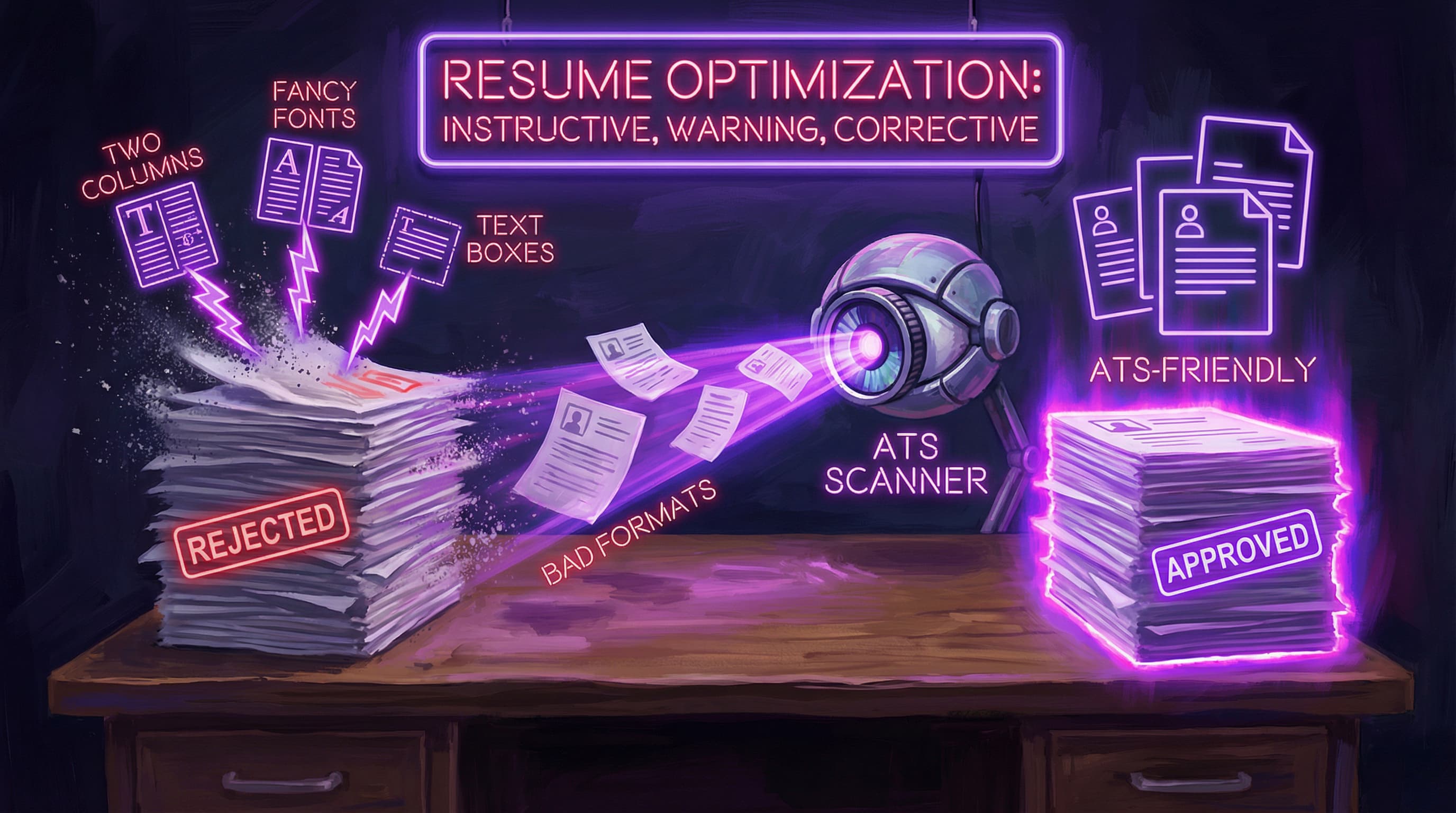
Bad Resume Examples: What NOT to Do in 2026 (And How to Fix It)
Avoid the resume mistakes that get you auto-rejected. See real examples of bad formats versus modern, ATS-friendly layouts.
The ONLY Resume Format That Gets You Interviews, Guaranteed
Stop guessing! Learn the scientifically proven resume format that consistently lands interviews and impresses hiring managers.
How to Write a Cover Letter That Actually Gets Read
Your guide to writing cover letters that get noticed by recruiters and beat the ATS.