10 Best Countries with No Income Tax for Remote Workers in 2026
Maximize your earnings and enjoy a global lifestyle by relocating to these tax-friendly destinations perfect for digital nomads.
7 months ago - Updated 3 months ago

The dream of earning a six-figure salary and keeping every single penny of it is no longer reserved for the ultra-wealthy or corporate moguls. As we move through 2026, the landscape of remote work has fundamentally shifted the way we think about residency, taxation, and lifestyle. For the modern digital nomad, the world is a buffet of opportunities, and the most enticing dish on the menu is the "no income tax" lifestyle.
Imagine waking up to the sound of turquoise waves in the Bahamas or the futuristic skyline of Dubai, knowing that your paycheck won't be sliced in half by the government. In an era where a job search can lead to a fully remote position with a global company, the last remaining hurdle to true financial freedom is often the tax man. By strategically relocating to tax-free countries, remote workers can effectively give themselves a 20% to 40% "raise" without changing their job or working an extra hour.
However, moving abroad is not just about packing a suitcase and finding a beach with Wi-Fi. It requires a deep understanding of residency laws, visa requirements, and the specific tax structures of your destination. This guide explores the 10 best countries where you can enjoy zero income tax in 2026, and for those who prefer a visual walkthrough of these destinations, there are excellent resources available to help you visualize your new life abroad.
The Rise of the Tax-Free Digital Nomad in 2026

The year 2026 marks a turning point in global mobility, with the latest digital nomad visa index highlighting how countries are competing to offer the most attractive residency terms. Governments worldwide have realized that attracting high-earning remote workers is a more sustainable economic strategy than traditional tourism. These workers bring "clean" capital—they earn money from abroad and spend it locally on rent, dining, and services, without competing for local jobs.
For the professional engaged in a remote work career, the benefits of relocating to a tax-friendly jurisdiction include:
- Accelerated Wealth Building: Compound interest works best when you have more principal to invest.
- Lower Cost of Living: Many tax-free havens offer a higher quality of life for a fraction of the cost found in major Western cities.
- Global Networking: These hubs are melting pots for entrepreneurs, tech experts, and creative minds.
Below, we dive into the top 10 destinations where you can legally avoid income tax as a remote worker.
1. United Arab Emirates 🇦🇪
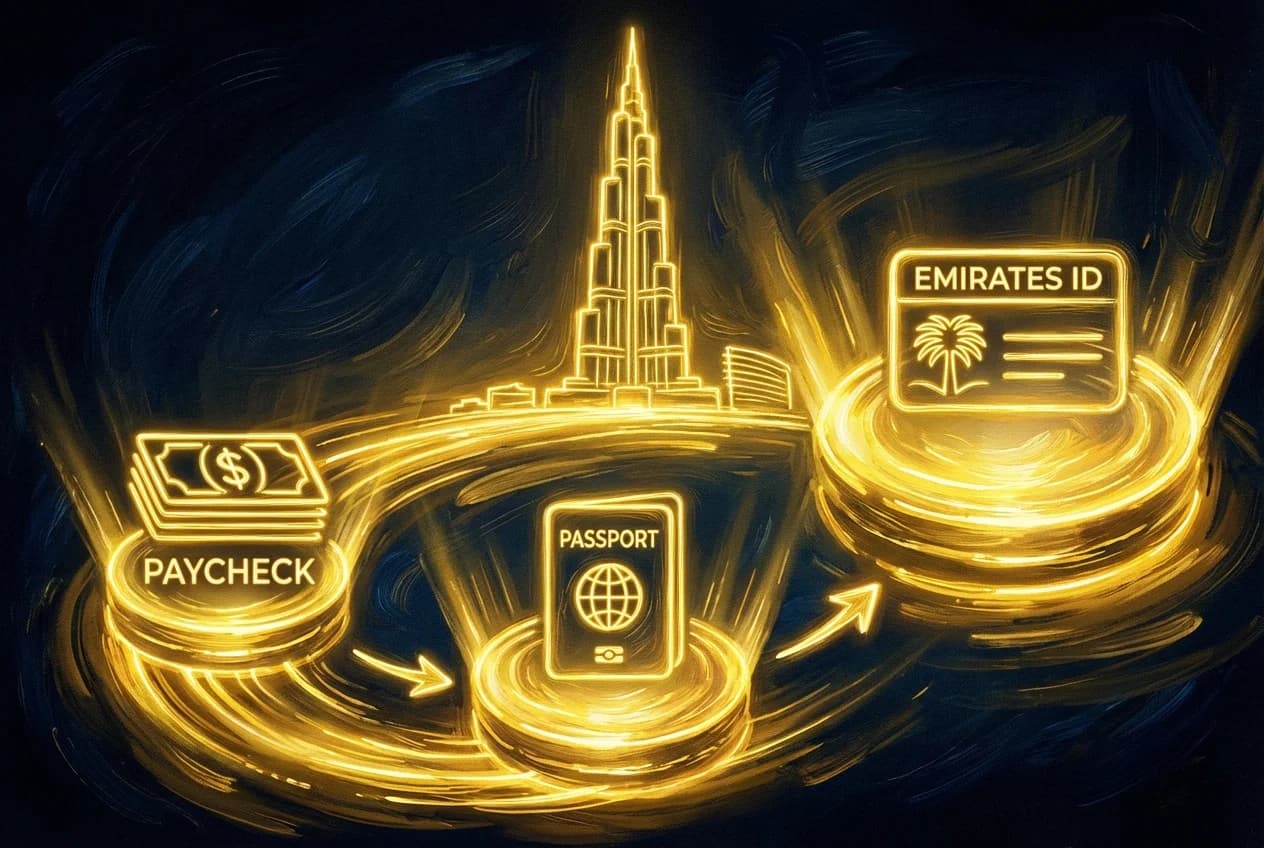
The United Arab Emirates, specifically Dubai and Abu Dhabi, remains the gold standard for tax-free countries. In 2026, the UAE continues to dominate the digital nomad scene due to its world-class infrastructure, high-speed internet, and safety.
Why It’s Great for Remote Workers
The UAE offers a futuristic lifestyle combined with a strategic location between Europe and Asia. For those in a remote work setup, the time zone is surprisingly manageable for both Eastern and Western markets.
How to Establish Residency and Pay Zero Tax
The UAE has made it incredibly easy for remote workers to establish themselves through the Remote Work Visa (Virtual Working Program).
- The Visa: You can apply for a one-year residency visa if you earn a minimum of $3,500 per month from an employer outside the UAE.
- Tax Residency: Once you have your residency permit and Emirates ID, you are considered a resident. The UAE does not levy personal income tax on individuals.
- The Process: You must provide proof of employment, a valid passport, and health insurance that covers the UAE. The application is typically processed online within a few weeks.
| Feature | Rating |
|---|---|
| Internet Speed | 🚀 🚀 🚀 🚀 🚀 |
| Cost of Living | 💰 💰 💰 💰 |
| Ease of Residency | ✅ ✅ ✅ ✅ ✅ |
2. The Bahamas 🇧🇸
If your idea of a perfect office is a white-sand beach with crystal-clear water, The Bahamas is your ultimate destination. Located just a short flight from the United States, it is a premier choice for North American remote workers.
Why It’s Great for Remote Workers
The Bahamas offers a relaxed pace of life, high-end amenities, and a massive community of expats. It is one of the few places where you can truly disconnect while staying connected to global markets.
How to Establish Residency and Pay Zero Tax
The Bahamas offers the BEATS (Bahamas Extended Access Travel Stay) permit, specifically designed for students and remote workers.
- The Permit: This is a one-year residency permit that can be renewed for up to three years.
- Tax Status: The Bahamas has no personal income tax, capital gains tax, or inheritance tax. By residing here under the BEATS program, your foreign-sourced income remains entirely tax-free.
- Requirements: You need to provide proof of employment and demonstrate that you have sufficient income to support yourself without seeking local employment.
3. Panama 🇵🇦
Panama is unique because it operates on a territorial tax system. While it isn't "zero tax" for everyone, it is effectively zero tax for remote work professionals whose income is derived from sources outside of Panama.
Why It’s Great for Remote Workers
Panama City is the "Miami of the South," offering a cosmopolitan vibe, excellent healthcare, and a relatively low cost of living. It uses the US Dollar, which eliminates currency exchange risks for many.
How to Establish Residency and Pay Zero Tax
The most popular route is the Friendly Nations Visa.
- The Visa: Citizens of "friendly nations" (including the US, Canada, UK, and most of Europe) can apply for residency by being employed by a foreign company.
- The Tax Loophole: Under Panama’s territorial tax law, only income earned within the borders of Panama is taxed. Since your remote job is based elsewhere, your salary is legally exempt from Panamanian income tax.
- Requirements: You will need to open a Panamanian bank account and provide a clean criminal record. Working with a local lawyer is highly recommended to navigate the paperwork.
4. Bermuda 🇧🇪
Bermuda is often associated with luxury and high-finance, but it has become increasingly accessible to the digital nomad community in recent years.
Why It’s Great for Remote Workers
Bermuda offers a sophisticated environment with a distinctly British feel. It’s perfect for those who want a high standard of living and proximity to the East Coast of the US and London.
How to Establish Residency and Pay Zero Tax
Bermuda offers the "Work from Bermuda" Certificate.
- The Certificate: This allows remote workers and students to live on the island for up to 12 months.
- Taxation: Bermuda has no personal income tax. As a holder of this certificate, you are not subject to local taxes on your global earnings.
- Application: The application fee is relatively low (around $263), and the process is known for being quick and efficient. You must show proof of employment and substantial annual income.
5. Cayman Islands 🇰🇾

The Cayman Islands are synonymous with tax-free living. This British Overseas Territory is one of the most developed and safest islands in the Caribbean.
Why It’s Great for Remote Workers
The infrastructure is top-tier, the beaches are world-famous (Seven Mile Beach), and the lifestyle is incredibly high-end. It’s a major financial hub, meaning you’ll be surrounded by successful professionals.
How to Establish Residency and Pay Zero Tax
The Global Citizen Concierge Program is the gateway for remote workers.
- Income Threshold: This is a premium option. To qualify, individuals must have a minimum annual income of $100,000 (or $150,000 for couples).
- Duration: The certificate is valid for up to 24 months.
- Taxation: There is no income tax, property tax, or capital gains tax in the Cayman Islands. You keep 100% of what you earn.
6. Antigua and Barbuda 🇦🇬
Antigua and Barbuda offers a more laid-back and affordable alternative to the Caymans or Bermuda, while still providing a robust tax-free environment.
Why It’s Great for Remote Workers
With 365 beaches—one for every day of the year—you’ll never run out of places to explore. The islands have invested heavily in high-speed internet to attract the remote work crowd.
How to Establish Residency and Pay Zero Tax
The Nomad Digital Residence (NDR) program is the primary pathway.
- The Program: NDR allows you to live and work in Antigua and Barbuda for up to two years.
- Tax Status: NDR holders are legally exempt from paying local income taxes. You are expected to maintain your tax obligations in your home country (if applicable), but Antigua will not take a cent.
- Requirements: You must earn at least $50,000 per year and have your own health insurance.
7. Saint Kitts and Nevis 🇰🇳
Known for its stunning volcanic landscapes and lush rainforests, Saint Kitts and Nevis is one of the oldest and most established tax-free countries in the world.
Why It’s Great for Remote Workers
It offers a "dual-island" experience. Saint Kitts is more vibrant and social, while Nevis is quiet and secluded. It’s an ideal spot for deep work and creative projects.
How to Establish Residency and Pay Zero Tax
While many people choose the Citizenship by Investment route, remote workers can also establish residency through annual residence permits.
- Taxation: There is no personal income tax for residents, regardless of where the money is earned.
- Residency: You can apply for an annual residence visa which allows you to live on the island. After a few years, you can apply for permanent residency.
- Setup: To ensure you are not taxed, you simply need to prove that you are a resident of the island and that your income is generated from your remote work activities outside the country.
8. Vanuatu 🇻🇺
For those looking for something truly off the beaten path, Vanuatu in the South Pacific is a tropical paradise that offers a complete escape from the modern tax system.
Why It’s Great for Remote Workers
Vanuatu is raw, beautiful, and culturally rich. It’s a great choice for digital nomads who want to experience the Pacific island lifestyle while maintaining a high-paying remote career.
How to Establish Residency and Pay Zero Tax
Vanuatu has no income tax, no corporate tax, and no estate gains tax.
- The Visa: You can apply for a "Self-Funded" residency visa.
- Requirements: You must show a stable monthly income (usually around $2,000 to $2,500) deposited into a Vanuatu bank account.
- The Benefit: Once your residency is approved, you are part of a system that simply does not have an infrastructure for personal income tax.
9. Monaco 🇲🇨
Monaco is the playground of the billionaires, but it is also a viable option for high-earning remote workers and consultants who can afford the entry price.
Why It’s Great for Remote Workers
It is arguably the safest and most glamorous place on earth. Located on the French Riviera, it offers unparalleled access to Europe while remaining a tax haven.
How to Establish Residency and Pay Zero Tax
Establishing residency in Monaco is more about your bank balance than your job search.
- The Bank Deposit: You generally need to deposit at least €500,000 in a Monégasque bank.
- Accommodation: You must rent or buy property in Monaco (which is notoriously expensive).
- Taxation: Monaco has had no personal income tax since 1869 (except for French citizens). If you can clear the residency hurdles, your remote income is yours to keep.
10. Bahrain 🇧🇭
Bahrain is often overlooked in favor of Dubai, but it offers a more authentic Middle Eastern experience with a lower cost of living and a very friendly environment for expats.
Why It’s Great for Remote Workers
Bahrain is consistently ranked as one of the best places for expats to live and work. The capital, Manama, is a bustling hub with excellent dining and social scenes.
How to Establish Residency and Pay Zero Tax
Bahrain offers a Self-Sponsorship Residence Permit.
- The Visa: This permit allows foreigners to live in Bahrain without a local employer sponsoring them.
- Requirements: You need to show that you have a steady income from abroad and a certain amount of savings.
- Taxation: Like the UAE, Bahrain has no personal income tax. By obtaining this residency, you can enjoy your full salary while living in a modern, connected society.
Comparison of Top Tax-Free Destinations for 2026
To help you narrow down your job search and relocation plans, here is a comparison of the top destinations:
| Country | Monthly Income Req. | Internet Quality | Vibe |
|---|---|---|---|
| UAE 🇦🇪 | $3,500 | Excellent | Futuristic/Fast-paced |
| Panama 🇵🇦 | Varies | Good | Cosmopolitan/Tropical |
| Cayman Islands 🇰🇾 | $8,333+ | Great | High-end Luxury |
| Antigua 🇦🇬 | $4,166 | Good | Relaxed/Beach-focused |
| Bahamas 🇧🇸 | None specified | Moderate | Island Paradise |
| Bahrain 🇧🇭 | Varies | Great | Authentic/Social |
The Legalities of "No Income Tax": What You Need to Know
While these countries do not charge income tax, you cannot simply move and assume you are "tax-free." Understanding your specific tax obligations as a digital nomad is crucial to avoid legal pitfalls with your home country. You must understand the two sides of the tax coin: your destination country and your home country.
1. The 183-Day Rule
Most countries use the "183-day rule" to determine tax residency. If you spend more than half the year in a country, they may claim you as a tax resident. In the case of the countries listed above, this is a good thing—it means you fall under their 0% tax bracket. However, you must ensure you have officially left your previous country’s tax system.
2. Tax Treaties and Exit Taxes
Before you leave, check if your home country has a tax treaty with your destination. Some countries (like the US) tax based on citizenship, not residency. For Americans, the Foreign Earned Income Exclusion (FEIE) allows you to exclude a significant portion of your income (approx. $120,000+ in 2026) if you live abroad, but you still have to file.
3. Territorial vs. Zero Tax
- Zero Tax: Countries like the UAE or Bahamas have no income tax infrastructure at all.
- Territorial Tax: Countries like Panama only tax income earned within their borders. For a remote work professional, the result is the same, but the legal mechanism is different.
Strategies for a Successful Remote Job Search in 2026
To live the tax-free dream, you first need a job that allows you to work from anywhere. The job search landscape in 2026 is competitive, but specialized, leading many professionals to use AI-powered platforms like CareerBoom.ai to optimize their resumes and automate the application process for high-paying global roles.
Focus on "Async" Companies
Look for companies that operate asynchronously. These organizations don't care about your time zone, which is essential if you want to live in places like Vanuatu or Bahrain while working for a New York-based firm.
High-Value Skills for Digital Nomads
The highest-paying remote roles generally fall into these categories:
- Software Engineering & AI Development: Still the king of remote work.
- Cybersecurity: High demand for remote consultants.
- Digital Marketing & Growth Hacking: Results-oriented roles that favor mobility.
- Specialized Consulting: Legal, financial, or ESG (Environmental, Social, and Governance) consulting.
Use Niche Job Boards
Avoid generic sites. Use platforms specifically for remote work such as We Work Remotely, Remote OK, or FlexJobs. When applying, emphasize your ability to manage your own schedule and your experience with digital collaboration tools.
Essential Tips for Relocating as a Digital Nomad
Moving to a tax-free country is a major life event. Here is how to ensure a smooth transition:
"The secret to a successful tax-free life isn't just moving your body; it's moving your legal center of gravity." — Global Mobility Expert
1. Secure International Health Insurance
Don't rely on local state healthcare in a foreign country. Get a comprehensive global policy (like those offered by SafetyWing or Cigna Global) that covers you in your new home and when you travel.
2. Setup Global Banking
Traditional banks often struggle with the digital nomad lifestyle. Use "neobanks" or multi-currency accounts like Wise or Revolut. This allows you to receive your salary in USD, EUR, or GBP and spend in the local currency without massive fees.
3. Test the Waters
Before committing to a long-term residency, spend a month in the country on a tourist visa. What looks good on Instagram might feel different when you're trying to find a reliable grocery store or a quiet place for a Zoom call.
4. Community Matters
Isolation is the biggest reason remote workers return home. Choose a destination with a strong expat or nomad community. Places like Dubai and Panama City have endless meetups and co-working spaces where you can find like-minded people.
Challenges to Consider
No lifestyle is perfect. While the financial gains of tax-free countries are undeniable, there are trade-offs:
- Cost of Entry: Some places, like Monaco or the Cayman Islands, require significant upfront capital.
- Bureaucracy: Getting residency permits can involve mountains of paperwork, background checks, and medical exams.
- Cultural Adjustment: Moving to the Middle East or the South Pacific involves adapting to different social norms and legal systems.
- Time Zones: Working for a California company while living in Dubai means some very late nights or early mornings.
Final Thoughts: Is the Tax-Free Life Right for You?
As we look toward the remainder of 2026, the opportunity for remote work professionals to optimize their taxes has never been greater. By choosing one of these 10 tax-free countries, you are not just saving money; you are buying freedom. You are buying the ability to retire earlier, invest in your own business, or travel the world without the weight of a heavy tax burden.
The journey starts with a successful job search—which can be significantly accelerated by using CareerBoom.ai to manage your applications and interview prep—and ends with a plane ticket. Whether it’s the high-tech allure of the UAE, the tropical charm of Panama, or the elite status of Monaco, your perfect tax-free home is waiting.
Key Takeaways for 2026:
- The UAE and Panama remain the most accessible options for most professionals.
- Always consult with a tax professional to ensure you are compliant with your home country's exit laws.
- Prioritize internet stability and community when choosing your destination.
The world is more open than ever for the digital nomad. It’s time to stop paying for a system you no longer use and start investing in your own global future.
Frequently Asked Questions
Quick answers to common questions
The top tax-free destinations for 2026 include the United Arab Emirates (Dubai), The Bahamas, Cayman Islands, and Bahrain. Other countries like Panama offer a territorial tax system, meaning your foreign-sourced remote work income is effectively tax-exempt.
Yes, the US taxes based on citizenship, not residency. However, digital nomads can significantly reduce their bill using the Foreign Earned Income Exclusion (FEIE), which allows you to exclude approximately $120,000+ of foreign earnings if you meet residency requirements.
Requirements vary by destination:
- UAE: Minimum $3,500 monthly income.
- Antigua & Barbuda: At least $50,000 annual earnings.
- Cayman Islands: Minimum $100,000 per year.
- Panama: Varies based on the specific visa, such as the Friendly Nations Visa.
Most countries apply the 183-day rule, meaning you must spend more than half the year there to be considered a tax resident. In tax-free countries, reaching this threshold is beneficial as it legally qualifies you for their 0% tax rate.
Zero-tax countries (like the Bahamas) have no personal income tax at all. Territorial tax countries (like Panama) only tax income earned within their borders. For a digital nomad working for a foreign company, both systems usually result in 0% tax on salary.
To secure a high-paying role, use AI-powered platforms like CareerBoom.ai to optimize your resume. Focus your job search on "async-first" companies and niche boards like Remote OK or We Work Remotely that support global mobility.
Was this article helpful?
Table of Contents
The Rise of the Tax-Free Digital Nomad in 2026
1. United Arab Emirates 🇦🇪
2. The Bahamas 🇧🇸
3. Panama 🇵🇦
4. Bermuda 🇧🇪
5. Cayman Islands 🇰🇾
6. Antigua and Barbuda 🇦🇬
7. Saint Kitts and Nevis 🇰🇳
8. Vanuatu 🇻🇺
9. Monaco 🇲🇨
10. Bahrain 🇧🇭
Comparison of Top Tax-Free Destinations for 2026
The Legalities of "No Income Tax": What You Need to Know
Strategies for a Successful Remote Job Search in 2026
Essential Tips for Relocating as a Digital Nomad
Challenges to Consider
Final Thoughts: Is the Tax-Free Life Right for You?
1Which countries have no income tax for remote workers in 2026?
2Do US citizens still pay taxes while living in tax-free countries?
3What are the income requirements for a tax-free digital nomad visa?
4How long do I need to live in a country to become a tax resident?
5What is the difference between zero tax and territorial tax?
6How can I find high-paying remote jobs to fund a tax-free lifestyle?
Share this article
Other articles

21 Best Remote Job Sites in 2026 (Verified Platforms)
Discover verified platforms from CareerBoom.AI to LinkedIn for landing high-paying remote careers.

10 High-Paying Remote Jobs Without a Degree in 2026
Discover lucrative remote careers earning $90K-$270K+ annually without formal credentials—backed by real salary data and proven entry pathways.

Top 7 Job Search Platforms in the UAE: A Comprehensive Review
Discover the most effective websites and apps to land your dream job in Dubai and Abu Dhabi today.