Robot-Proof Your Paycheck: Essential Skills for the AI Era
Learn which hands-on, interpersonal, and critical thinking skills will keep you indispensable as AI advances.
1 month ago - Updated 3 days ago

The rapid advancement of Artificial Intelligence (AI) is undeniably reshaping the global job market, sparking both excitement and anxiety across industries. To understand how artificial intelligence impacts the US labor market, it's crucial to look beyond simple displacement. While AI promises enhanced productivity and efficiency by automating repetitive and data-intensive tasks, it also raises legitimate concerns about job displacement. However, the narrative isn't simply one of machines replacing humans. Instead, it's a story of evolution, demanding a strategic shift in the skills we cultivate. The key to thriving in this AI era skills landscape lies in identifying and mastering the robot proof jobs that leverage uniquely human capabilities – those hands-on, interpersonal, and critical thinking skills that AI cannot replicate. For further reflections on robot-proof careers, consider these insights.
This article will delve into the essential skills that will keep your paycheck secure and your career indispensable as AI continues its ascent. We will explore how focusing on these practical skills and fostering human-centric careers can empower you to not just survive, but flourish in the future of work.
The AI Revolution and the Evolving Job Market
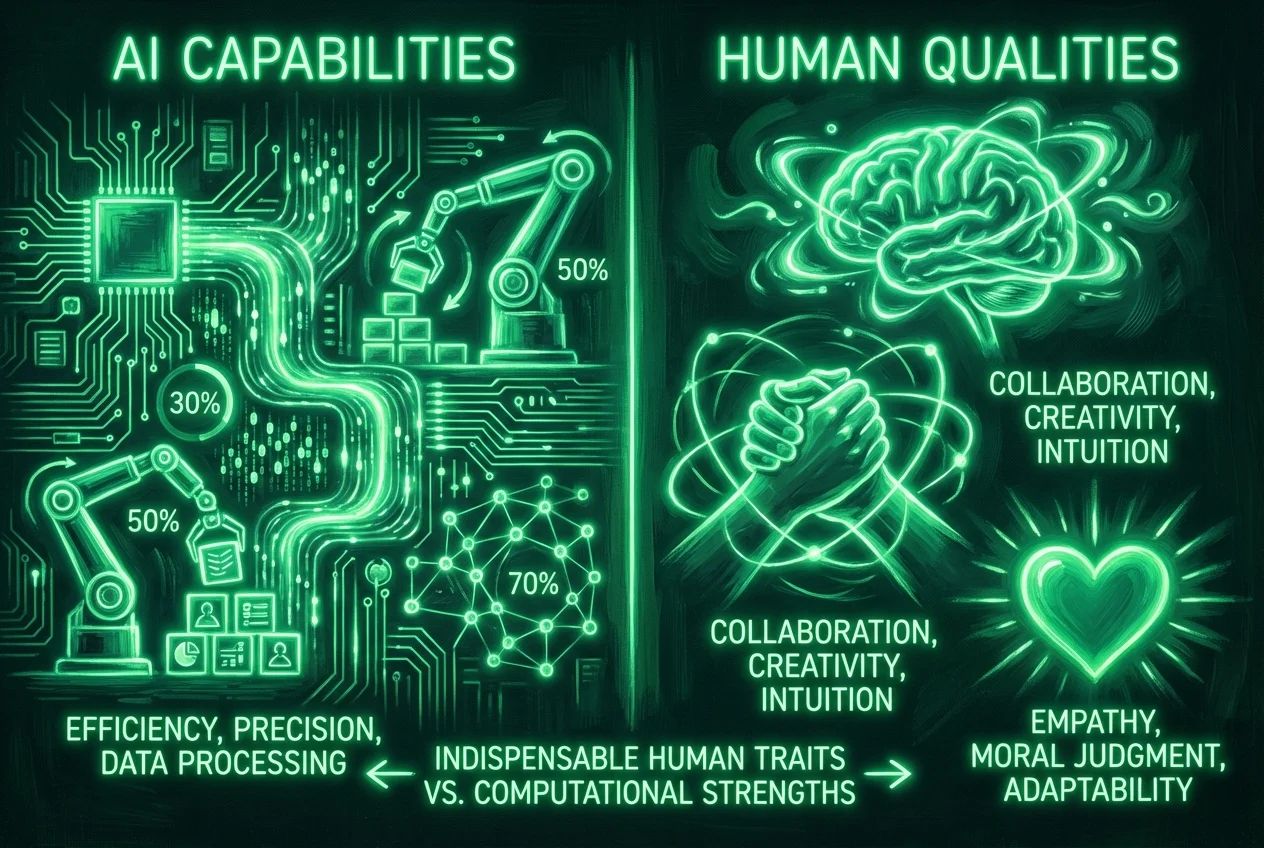
Artificial Intelligence has moved from the realm of science fiction to an everyday reality, influencing everything from customer service chatbots to advanced data analytics. Tools like ChatGPT, generative AI models, and robotic process automation are already transforming how we communicate, work, and live. This technological tidal wave is leading to a significant re-evaluation of job roles and skill requirements.
What AI Excels At: Repetition and Data
AI's strengths lie in its ability to process vast amounts of data, identify patterns, and execute repetitive tasks with incredible speed and precision. This includes:
- Data Entry and Processing: AI can automate data extraction, entry, and analysis, making roles like data entry clerks and back-office finance positions highly susceptible.
- Routine Administrative Tasks: Scheduling, inventory management, and basic customer inquiries can be streamlined by AI-powered tools and chatbots.
- Predictive Analysis: AI algorithms excel at forecasting trends and identifying potential issues, such as in predictive maintenance for equipment.
- Content Generation (Basic): Generative AI can produce drafts of articles, marketing copy, and even basic graphic designs.
A 2023 McKinsey report estimated that 30% of global work activities could be automated by 2030, with 60% of jobs significantly altered by AI tools. Goldman Sachs predicts that up to 50% of jobs could be fully automated by 2045.
What AI Struggles With: The Human Element
Despite its rapid advancements, AI currently struggles, and is expected to continue struggling, with tasks that require genuine human qualities. These include:
- Emotional Intelligence and Empathy: AI lacks the capacity for true feelings, compassion, and understanding of complex human emotions.
- Complex Problem-Solving and Strategic Thinking: While AI can assist, it cannot fully replicate human foresight, intuition, ethical considerations, and the ability to navigate ambiguous, unstructured situations.
- Creativity and Originality: While generative AI can produce content, the profound emotional resonance, innovative design, and strategic vision behind truly original creative works remain human domains.
- Manual Dexterity and Physical Adaptability: Jobs requiring intricate physical manipulation, especially in unpredictable environments, are difficult for robots to fully master.
- Interpersonal Relationships and Trust-Building: The foundation of many professions, particularly in caregiving, teaching, and leadership, relies on human connection that AI cannot replicate.
The jobs least likely to be affected by automation are commonly found in healthcare, education, creative fields, and personal services, as they demand human qualities that robots cannot replicate.
Category 1: Hands-On & Practical Skills – The Unautomatable Touch
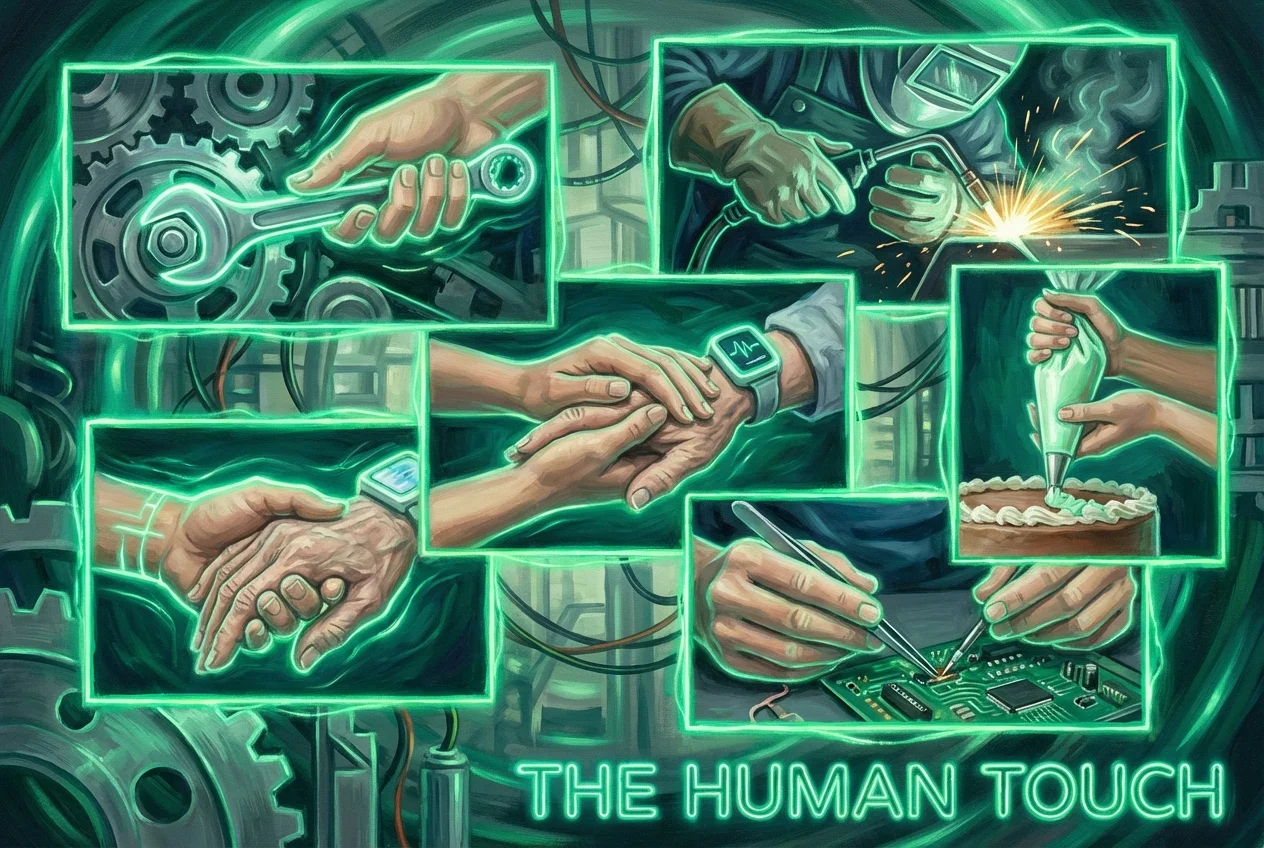
In a world increasingly dominated by algorithms and digital interfaces, the value of tangible, physical practical skills is soaring. These are the AI era skills that require fine motor skills, adaptability to unpredictable physical environments, and a human touch that machinery cannot easily emulate. They represent some of the most genuinely robot proof jobs.
Why These Skills Are Resilient
The physical world is inherently complex and often messy. Robotics, while advanced, still struggle with the dexterity, nuanced perception, and adaptive problem-solving required for many hands-on tasks. A misplaced wire, an unexpected structural flaw, or a unique client request can quickly stump even the most sophisticated AI, demanding human ingenuity and physical presence. Far from being displaced, AI may actually enhance job security for those in skilled trades by offloading repetitive administrative tasks and streamlining planning, allowing tradespeople to focus on the intricate, hands-on aspects of their work.
Specific Examples of Hands-On & Practical Skills
- Skilled Trades (Plumbing, Electrical, Carpentry, HVAC, Welding)
These professions require a high level of manual dexterity, problem-solving on-site, and adaptability to unique situations in homes, businesses, and construction sites. An electrician troubleshooting a complex wiring issue or a plumber fixing a leak in an old house relies on experience, spatial reasoning, and physical manipulation that robots cannot easily replicate. The UK, for instance, faces ongoing skills shortages in construction and building services, making these some of the most future-proof career paths.
- Example: An HVAC technician diagnosing a subtle refrigerant leak in a custom-built system requires acute sensory perception and the ability to work in confined, often awkward spaces, making it a distinctly human task.
- Healthcare Support (Nursing, Physical Therapy, Caregiving)
While AI assists with diagnostics and administrative tasks in healthcare, the core of patient care demands human empathy, physical interaction, and adaptability to individual patient needs. Nurses, physical therapists, and caregivers provide hands-on support, comfort, and emotional connection that are fundamental to healing and well-being. Nurse practitioners, for example, are projected to grow by 45.7% by 2032, making it a stable career in the medical field.
- Example: A physical therapist guiding a patient through rehabilitation exercises needs to constantly assess their pain, movement, and emotional state, adjusting techniques in real-time – a highly personalized and physical interaction.
- Creative Crafts and Arts (Artisans, Chefs, Stylists)
Crafts that involve intricate manual work and aesthetic judgment, such as glassblowing, ceramics, bespoke tailoring, or gourmet cooking, are inherently human. Chefs, bakers, and brewers may use AI to organize recipes, but the core tasks of sautéing, icing, and taste-testing require human dexterity, adaptability, and taste.
- Example: A pastry chef crafting an elaborate wedding cake needs precision, artistic vision, and a delicate touch that is far beyond the current capabilities of robotic automation.
- Repair and Maintenance (Mechanics, IT Support requiring physical interaction)
Fixing complex machinery, vehicles, or IT hardware often involves diagnostic intuition, manual dexterity, and the ability to work with tools in a hands-on manner. While AI can predict failures, the actual repair and maintenance typically require human intervention.
- Example: An auto mechanic diagnosing an unusual engine knock requires listening to subtle sounds, feeling vibrations, and physically inspecting components, combining sensory input with technical knowledge.
- Emergency Services (Firefighters, Paramedics, Police Officers) These roles demand immediate, on-the-spot decision-making in chaotic, unpredictable environments, coupled with physical strength, agility, and the ability to interact with people in high-stress situations. These are fundamentally human-centric careers that AI cannot replicate.
How to Develop and Market These Skills
- Apprenticeships and Vocational Training: These provide structured pathways to master practical skills, combining theoretical knowledge with extensive hands-on experience.
- Certifications and Licenses: Obtain relevant industry certifications to validate your expertise and demonstrate adherence to professional standards.
- Continuous Learning: Stay updated with new materials, techniques, and technologies within your trade. For instance, skilled trades are increasingly integrating AI for predictive maintenance and efficiency.
- Portfolio and Demonstrated Work: Build a portfolio of your projects or a record of your successful interventions to showcase your capabilities.
- Networking: Connect with other professionals in your field to learn best practices and discover new opportunities.
Category 2: Interpersonal & Emotional Intelligence – The Human Connection
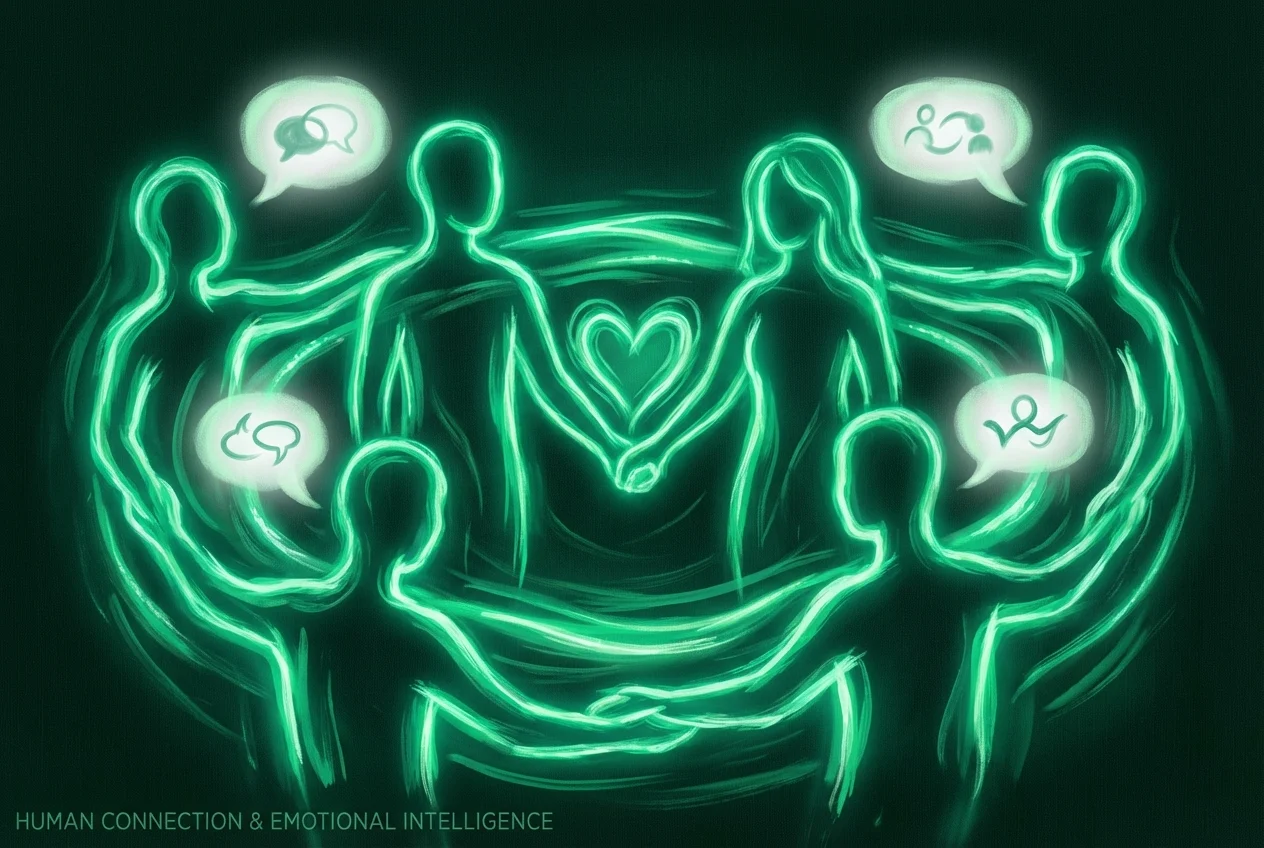
As AI streamlines processes and automates routine interactions, the demand for genuinely human connection, understanding, and collaboration will only intensify. Interpersonal skills and emotional intelligence are the bedrock of human-centric careers, representing core AI era skills that remain firmly beyond the grasp of current AI capabilities.
Why AI Can't Replicate Genuine Human Interaction
AI can mimic conversation, analyze sentiment, and even generate personalized responses, but it lacks true consciousness, empathy, and the ability to understand the nuanced, often unspoken, aspects of human interaction. Human interactions are complex, unpredictable, and laden with emotional and cultural nuances that AI cannot fully grasp or respond to authentically.
Specific Examples of Interpersonal & Emotional Intelligence Skills
- Communication (Active Listening, Public Speaking, Negotiation)
Effective communication goes beyond transmitting information; it involves understanding context, reading non-verbal cues, and tailoring messages for maximum impact. Active listening, the ability to truly hear and comprehend others, builds trust and fosters understanding. Public speaking inspires and persuades, while negotiation navigates complex human interests to find mutually beneficial solutions. These skills are crucial for building relationships and resolving conflicts.
- Example: A sales professional isn't just selling a product; they're building rapport, understanding a client's unspoken needs, and adapting their pitch in real-time based on subtle cues – skills essential for sales and account managers.
- Collaboration and Teamwork (Leadership, Conflict Resolution)
The future of work increasingly emphasizes collaborative, cross-functional teams. Leadership, the ability to inspire and guide a group towards a common goal, requires emotional intelligence, motivation, and the capacity to manage diverse personalities. Conflict resolution involves empathy, active listening, and the ability to mediate disagreements to maintain team cohesion.
- Example: A project manager leading a diverse team through a challenging project needs to motivate individuals, resolve interpersonal friction, and facilitate creative problem-solving, leveraging human dynamics that AI cannot orchestrate.
- Empathy and Emotional Intelligence (Counseling, Teaching, Complex Customer Service)
These are perhaps the most
robot proof jobsof all. Professions like therapists, social workers, and teachers are fundamentally built on empathy, trust, and the ability to provide emotional support. They involve understanding individual needs, responding to distress, and building meaningful relationships. Even in customer service, complex issues often require a human agent's empathy to de-escalate situations and provide truly satisfactory resolutions.- Example: A mental health counselor guiding a client through personal trauma relies on a deep understanding of human psychology, the ability to build a therapeutic alliance, and genuine empathy – qualities impossible for AI to replicate.
- Mentorship and Coaching
Guiding individuals in their professional and personal development requires a deep understanding of human potential, personalized feedback, and the ability to inspire growth. Mentors and coaches provide tailored advice, encouragement, and accountability that transcends algorithmic suggestions.
- Example: An executive coach helps a leader navigate complex organizational challenges, not just by providing data, but by understanding their motivations, fears, and leadership style, fostering personal transformation.
- Cultural Intelligence and Diversity & Inclusion
In an increasingly globalized and diverse workforce, the ability to understand and navigate different cultural norms, communication styles, and perspectives is critical. Fostering inclusive environments requires human sensitivity, awareness of biases, and a commitment to equity that AI cannot authentically embody.
- Example: A Human Resources manager developing a diversity and inclusion initiative needs to understand the varied experiences of employees, address systemic inequalities, and build a culture of belonging, requiring profound human insight.
Strategies for Enhancing Interpersonal & Emotional Intelligence Skills
- Seek Feedback: Actively solicit feedback on your communication and interaction style from colleagues, supervisors, and mentors.
- Practice Active Listening: Make a conscious effort to truly hear and understand others, rather than just waiting for your turn to speak.
- Volunteer and Engage in Community Work: These opportunities provide rich environments for practicing empathy, communication, and collaboration with diverse groups.
- Role-Playing and Simulations: Participate in workshops or use AI-powered training tools that simulate difficult conversations or leadership scenarios to practice your responses.
- Study Psychology and Human Behavior: Gaining a deeper understanding of human motivations and emotional responses can significantly enhance your emotional intelligence.
- Mindfulness and Self-Reflection: Develop self-awareness by practicing mindfulness and regularly reflecting on your own emotions and their impact on your interactions.
Category 3: Critical Thinking & Problem-Solving – The Strategic Mind
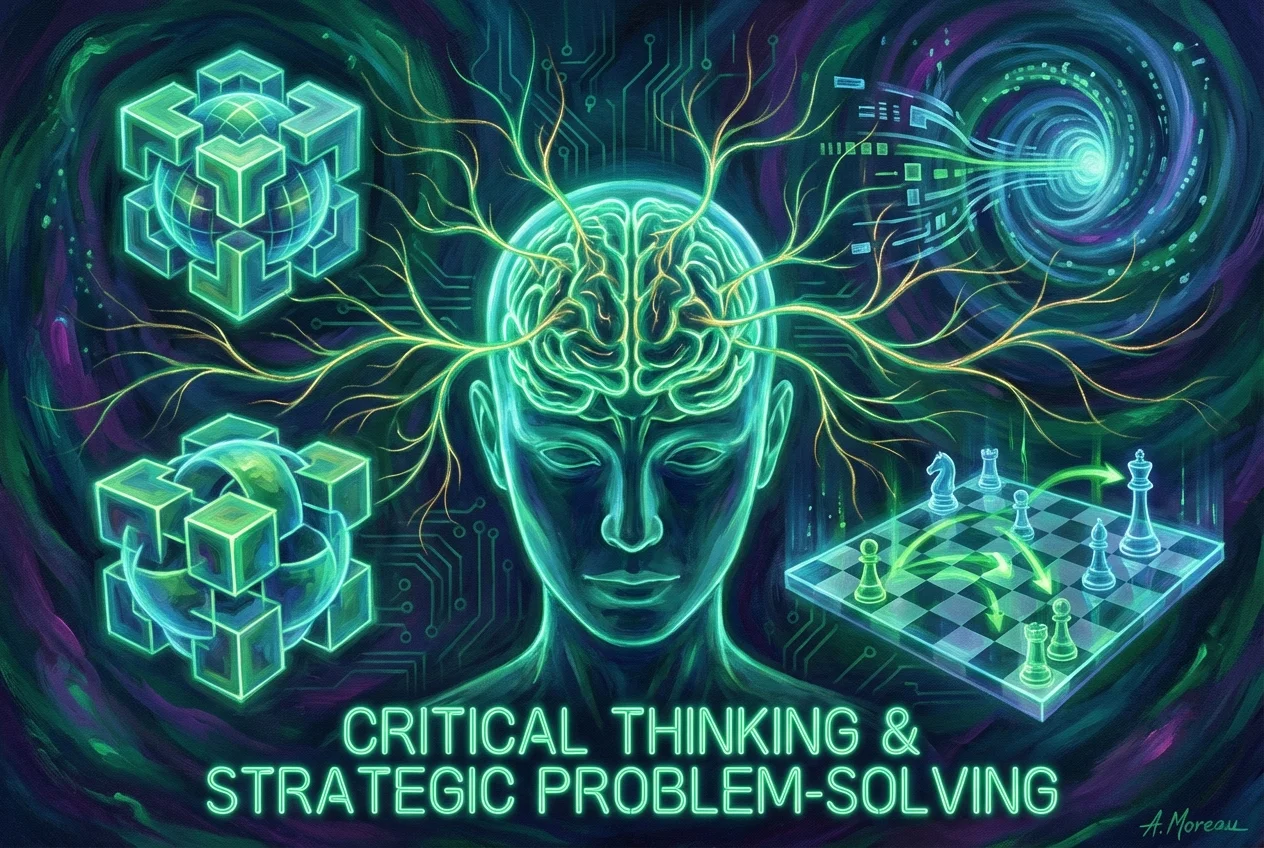
While AI can analyze data and identify patterns with unprecedented speed, the ability to engage in complex, nuanced, and ethical problem-solving remains a uniquely human advantage. Critical thinking and analytical thinking are consistently identified as top skills demanded by employers, essential for navigating uncertainty and generating innovative solutions. These cognitive AI era skills are paramount for future work and constitute true robot proof jobs.
Why Complex, Unstructured Problem-Solving Remains a Human Domain
AI excels at well-defined problems with clear parameters and ample data. However, real-world challenges are often ambiguous, involve incomplete information, require ethical considerations, and demand creative, out-of-the-box solutions. Humans possess the capacity for intuition, abstract reasoning, and the ability to connect disparate pieces of information in novel ways – abilities that AI, for now, cannot replicate.
Specific Examples of Critical Thinking & Problem-Solving Skills
- Strategic Planning and Decision Making (Business Strategy, Policy Making)
Leaders and strategists must navigate complex environments, anticipate future trends, and make high-stakes decisions with incomplete information. This requires synthesizing vast amounts of data, understanding market dynamics, assessing risks, and making ethical judgments – all while maintaining composure under pressure.
- Example: A CEO deciding on a major market expansion needs to weigh economic factors, geopolitical risks, competitive landscapes, and the potential impact on company culture, requiring a blend of analytical rigor and intuitive foresight.
- Innovation and Creativity (R&D, Design Thinking, Artistic Creation)
True innovation involves challenging assumptions, generating novel ideas, and developing solutions that don't yet exist. While AI can assist with generating variations or analyzing trends, the spark of original thought and the ability to envision entirely new paradigms remain human. Design thinking, a human-centered approach to innovation, relies heavily on empathy, ideation, and iterative problem-solving.
- Example: An industrial designer creating a new sustainable product must not only consider functionality and aesthetics but also the user experience, environmental impact, and manufacturing feasibility, often requiring imaginative leaps.
- Complex Data Interpretation and Ethical Reasoning (Data Scientists, Legal Professionals, Ethicists)
While AI can analyze data, interpreting its nuances, identifying biases, and drawing ethical conclusions requires human judgment. Data scientists, legal professionals, and ethicists must understand the implications of data, apply legal and ethical frameworks, and make decisions that align with human values.
- Example: A legal professional reviewing contracts with AI assistance still needs to understand the subtle implications of clauses, anticipate potential disputes, and advise clients based on complex legal precedents and ethical considerations.
- Systems Thinking and Adaptability
Systems thinking involves understanding how different components of a system interact and how changes in one area can affect others. This holistic perspective is crucial for diagnosing complex problems and designing robust solutions. Adaptability, the ability to adjust to new situations and learn from experience, is vital in a rapidly changing world.
- Example: An urban planner designing a new city district must consider traffic flow, environmental impact, social equity, and economic development, understanding the interconnectedness of many complex systems.
- Research and Scientific Inquiry
Conducting original research, formulating hypotheses, designing experiments, and interpreting results in a scientific context requires advanced critical thinking. While AI can process vast amounts of existing research, the human ability to pose new questions and push the boundaries of knowledge remains central.
- Example: A medical researcher designing a clinical trial for a new drug needs to meticulously plan every step, anticipate potential confounding factors, and interpret complex biological data to draw valid conclusions.
Methods for Cultivating These Advanced Cognitive Abilities
- Engage in Problem-Solving Exercises: Actively seek out complex problems in your work or personal life and systematically work through them.
- Read Widely and Deeply: Expose yourself to diverse perspectives and complex ideas through books, academic papers, and analytical journalism.
- Learn a New Language or Skill: This can challenge your cognitive processes and enhance your ability to think in new ways.
- Debate and Discuss: Engage in discussions with others who hold different viewpoints to sharpen your reasoning and argumentation skills.
- Take Courses in Logic, Philosophy, or Advanced Analytics: Formal education can provide frameworks for structured critical thinking.
- Practice Design Thinking: Learn methodologies for human-centered problem-solving that emphasize empathy, ideation, prototyping, and testing.
- Seek Out Diverse Experiences: Exposure to different cultures, industries, and challenges can broaden your perspective and enhance your adaptability.
Blending Skills for a Hybrid Future
The future of work isn't about choosing between human skills and technological prowess; it's about seamlessly integrating both. The most resilient and in-demand professionals will be those who possess "hybrid skills" – a potent combination of technical expertise and human-centric abilities. This blending is key to creating truly robot proof jobs and understanding how human-centric AI will shape the future of work.
The Importance of Combining These Categories
AI will increasingly handle the technical, repetitive, and data-intensive aspects of many roles. This frees up human workers to focus on tasks that require creativity, critical thinking, and interpersonal interaction. Professionals who can leverage AI tools to enhance their efficiency while simultaneously excelling in human-centric skills will have a significant competitive advantage.
- AI for Augmentation, Humans for Judgment: AI can provide insights, but humans provide the context, ethical framework, and strategic judgment. For example, investment managers and analysts use AI to process market data, but their judgment remains crucial.
- Efficiency and Empathy: AI can streamline administrative tasks in healthcare, allowing nurses and doctors more time for patient-facing care, where empathy and connection are paramount.
- Data-Driven Creativity: AI can generate initial ideas or analyze creative trends, but human artists, writers, and designers bring the vision, emotional depth, and originality.
Examples of Hybrid Roles
The rise of hybrid roles demonstrates this integration:
- AI Policy Advisors: These professionals need a deep understanding of AI technology (technical skill) combined with ethical reasoning, legal knowledge, and the ability to negotiate and communicate complex regulations (critical thinking, interpersonal skills).
- Clinical Education Consultant (Nursing): Requires medical expertise and an understanding of AI in healthcare (technical) along with strong teaching, communication, and empathetic skills (interpersonal).
- Strategic Account Manager - AI Digital Health: Blends sales and marketing expertise (interpersonal) with a strong grasp of AI and digital health solutions (technical).
- Data Analyst + Storyteller: Someone who can not only analyze complex datasets but also translate those findings into compelling narratives and actionable insights for non-technical stakeholders.
- UX Designer + Behavioral Psychologist: A designer who understands user experience principles (technical) but also leverages insights from behavioral psychology to create truly intuitive and engaging products (critical thinking, empathy).
- Software Developer + Project Management: A coder who can write robust software (technical) but also lead teams, manage timelines, and communicate effectively with clients (interpersonal, critical thinking).
Lifelong Learning and Continuous Upskilling
The landscape of future work is dynamic, meaning that continuous learning is not just an advantage, but a necessity. The World Economic Forum predicts that 50% of workers will need to learn new skills by 2025, and 39% of workers' core skills will change by 2030. Organizations are increasingly investing in upskilling programs, recognizing that employee growth fuels company growth. For individuals, leveraging advanced platforms like CareerBoom.ai can streamline the process of aligning newly acquired skills with job opportunities by optimizing application materials and matching you with relevant roles, ensuring your efforts in continuous learning translate into career opportunities.
- Embrace Microlearning: Short bursts of instruction integrated into daily work can help individuals acquire new skills efficiently.
- Online Learning Platforms: Resources like Coursera, edX, and LinkedIn Learning offer courses to develop both technical and soft skills.
- Industry Workshops and Conferences: Stay abreast of the latest trends and technologies, particularly in how AI is being integrated into various fields.
Strategies for Career Resilience in the AI Era
Future-proofing your paycheck requires a proactive and adaptable approach to your career. Beyond developing specific AI era skills, cultivating certain mindsets and habits will ensure your long-term value in an automated world, and even enable rapid career advancement.
- Embrace Lifelong Learning as a Core Competency:
The speed of technological change means that skills become obsolete faster than ever before. Make learning a continuous habit, not just a one-time event. This includes formal courses, online tutorials, reading industry publications, and learning from peers. Focus on both deepening your existing expertise and broadening your skill set into new, complementary areas. The ability to rapidly acquire and apply new knowledge is invaluable.
- Actionable Tip: Allocate dedicated time each week for learning. Subscribe to newsletters, listen to podcasts, or take short online courses relevant to emerging technologies and
human-centric careers.
- Actionable Tip: Allocate dedicated time each week for learning. Subscribe to newsletters, listen to podcasts, or take short online courses relevant to emerging technologies and
- Cultivate a Growth Mindset:
View challenges as opportunities for growth rather than insurmountable obstacles. A growth mindset fosters resilience, flexibility, and agility – skills consistently identified as crucial for the future. Be open to learning from failures and adapting your approach.
- Actionable Tip: Reflect on past challenges and identify what you learned. Actively seek out new responsibilities that push you outside your comfort zone.
- Network Effectively and Build Strong Relationships:
In an increasingly digital world, genuine human connections are more valuable than ever. Networking provides access to new opportunities, mentorship, and diverse perspectives. Strong relationships build trust, facilitate collaboration, and are a cornerstone of
robot proof jobsthat rely on interpersonal dynamics.- Actionable Tip: Attend industry events, join professional associations, and actively engage with your colleagues and mentors. Focus on building authentic connections, not just collecting contacts.
- Seek Out Opportunities for Skill Application:
Learning a new skill is only half the battle; applying it is how you solidify your knowledge and demonstrate your capabilities. Look for projects at work, volunteer opportunities, or personal initiatives where you can put your
practical skills, interpersonal abilities, and critical thinking to the test.- Actionable Tip: Propose new projects at work, offer to mentor a junior colleague, or start a side project that allows you to experiment with new tools and techniques.
- Develop Personal Branding in the AI Age:
Clearly articulate your unique value proposition, especially highlighting your
AI era skillsthat differentiate you from automated solutions. Showcase yourhuman-centric careersapproach, emphasizing your creativity, problem-solving abilities, and interpersonal strengths, crucial for job interviews, especially in today's remote-first world, mastering virtual interviews is key. Tools like CareerBoom.ai can be invaluable here, offering AI-powered resume and cover letter builders, interview simulations, and even professional image generation to ensure your personal brand stands out in the AI age. Remember to also prepare killer questions to ask to demonstrate your engagement.- Actionable Tip: Update your LinkedIn profile and resume to reflect your most valuable skills. Share insights and engage in discussions online to demonstrate your expertise and thought leadership.
- Understand and Work with AI, Not Against It:
The goal isn't to avoid AI, but to understand its capabilities and limitations, and to leverage it as a powerful tool. Learn how AI can augment your work, automate mundane tasks, and provide new insights, freeing you to focus on higher-value activities that require your uniquely human intelligence.
AI proficiencyis becoming a foundational skill.- Actionable Tip: Experiment with AI tools relevant to your field. Take a course on AI literacy to understand its principles and ethical implications.
Conclusion
The advent of AI is not an apocalyptic prophecy for human employment, but rather a profound catalyst for transformation. This often implies a career change for many. While many routine and data-intensive tasks will undoubtedly be automated, this shift underscores the irreplaceable value of uniquely human capabilities. By strategically focusing on AI era skills that AI cannot replicate – namely hands-on and practical expertise, strong interpersonal and emotional intelligence, and advanced critical thinking and problem-solving – you can effectively robot-proof your paycheck.
The future work landscape demands a proactive approach, where continuous learning, adaptability, and a commitment to human-centric careers are paramount. Embrace the opportunity to blend technical knowledge with your innate human strengths. Develop your practical skills to master the tangible world, hone your emotional intelligence to foster meaningful connections, and sharpen your critical thinking to navigate complexity and drive innovation.
The future is not about humans versus machines; it's about humans with machines, leveraging AI as a powerful co-pilot while we, as individuals, ascend to roles that demand our highest cognitive and emotional potential. Start today: identify the skills that resonate most with your strengths, seek out learning opportunities, and actively cultivate the human advantage that will make you indispensable in the age of AI. Your resilient career awaits.
Frequently Asked Questions
Quick answers to common questions
1
What are robot-proof skills in the AI era?
Robot-proof skills are uniquely human capabilities that AI struggles to replicate. They fall into three main categories: hands-on & practical skills, interpersonal & emotional intelligence, and critical thinking & problem-solving. Focusing on these ensures your career remains indispensable.
2
How is AI impacting the job market?
AI is automating repetitive and data-intensive tasks, leading to job displacement in some areas, but also creating new roles. It's evolving the job market, demanding a strategic shift towards skills that leverage uniquely human capabilities like creativity, empathy, and complex problem-solving.
3
What types of hands-on jobs are safe from AI automation?
Jobs requiring fine motor skills, adaptability to unpredictable physical environments, and a human touch are highly resilient. Examples include:
- Skilled Trades (Plumbing, Electrical, HVAC)
- Healthcare Support (Nursing, Physical Therapy)
- Creative Crafts (Artisans, Chefs)
- Repair and Maintenance (Mechanics)
- Emergency Services (Firefighters)
4
Why is emotional intelligence crucial for future careers?
AI lacks true consciousness and empathy. Emotional intelligence, encompassing active listening, collaboration, empathy, and cultural intelligence, is vital for building trust, resolving conflicts, and fostering human connection. These skills are the bedrock of human-centric careers like counseling and teaching.
5
How can critical thinking help my career in the AI era?
While AI analyzes data, critical thinking enables humans to engage in complex, nuanced, and ethical problem-solving. It's essential for:
- Strategic planning and decision-making
- Innovation and creativity
- Complex data interpretation
- Systems thinking It allows for intuition, abstract reasoning, and novel solutions where AI struggles.
6
What are 'hybrid skills' and why are they important?
Hybrid skills are a combination of technical expertise (leveraging AI tools) and human-centric abilities. They are crucial because the future of work involves seamlessly integrating both. Professionals who can use AI to enhance efficiency while excelling in human skills like judgment and empathy will have a significant competitive advantage.
7
Will AI replace all human jobs?
No, the article suggests it's an evolution, not simple displacement. While AI automates repetitive tasks, it also frees humans to focus on tasks requiring unique human qualities like creativity, emotional intelligence, and complex problem-solving. Many roles will be altered or augmented, rather than fully replaced.
Was this article helpful?
Table of Contents
The AI Revolution and the Evolving Job Market
Category 1: Hands-On & Practical Skills – The Unautomatable Touch
Category 2: Interpersonal & Emotional Intelligence – The Human Connection
Category 3: Critical Thinking & Problem-Solving – The Strategic Mind
Blending Skills for a Hybrid Future
Strategies for Career Resilience in the AI Era
Conclusion
1What are robot-proof skills in the AI era?
2How is AI impacting the job market?
3What types of hands-on jobs are safe from AI automation?
4Why is emotional intelligence crucial for future careers?
5How can critical thinking help my career in the AI era?
6What are 'hybrid skills' and why are they important?
7Will AI replace all human jobs?
Share this article
Other articles
Top 10 High-Paying Remote Jobs in 2026 (No Degree Required)
Discover lucrative remote careers earning $90K-$270K+ annually without formal credentials—backed by real salary data and proven entry pathways.

Quit Your Boring Job: The 3-Step Blueprint for a Fearless Career Change
Ready for a bold move? This blueprint outlines the exact steps to transition into a new career path with confidence and without fear.

Career Change at 30, 40, or 50: A Step-by-Step Guide to Reinventing Your Career
A comprehensive guide to pivoting your career mid-life, with strategies for self-assessment, transferable skills, and overcoming age bias.