Best Job Search Sites in China for 2026: Compare Top Platforms
Navigate the complex Chinese job market with our curated list of the most effective recruitment tools for the coming year.
6 months ago - Updated 2 months ago

The Chinese job market in 2026 is a landscape defined by paradox: while record-breaking numbers of graduates—nearly 12.7 million—are entering the workforce, specialized talent shortages in sectors like Artificial Intelligence, Electric Vehicles (EVs), and Green Energy are reaching critical levels. As candidates are navigating the AI layoff wave globally, staying competitive in China requires mastering the digital ecosystem that powers its recruitment.
Navigating this market requires more than a translated resume. It requires an understanding of the specific platforms that dominate different niches. Whether you are a local professional, a returning "Sea Turtle" (海归), or an expat, the tools you use will determine your visibility.
In this ultimate guide, we review the top 10 job search platforms in China for 2026, highlighting how they have evolved to meet the demands of an AI-first hiring era.
1. Boss Zhipin (BOSS直聘): The Direct Chat King
Boss Zhipin remains the undisputed heavyweight champion of the Chinese recruitment world in 2026. Its "Direct Recruitment Model" revolutionized the industry by removing the middleman—the HR screening wall—and allowing candidates to chat directly with "Bosses" (hiring managers or department heads).
Why It Leads in 2026
By 2026, Boss Zhipin has integrated advanced AI algorithms that go beyond simple keyword matching. The platform now utilizes "Behavioral Prediction" to suggest roles not just based on what you’ve done, but on your interaction patterns within the app.
- Target Audience: Everyone from blue-collar workers to "Gold Collar" executives.
- Key Feature: The "Direct Chat" function. You can pitch yourself instantly to the person making the hiring decision.
- Pros: High response rates, mobile-first design, and a massive volume of SME (Small and Medium Enterprise) listings.
- Cons: Can be overwhelming; requires constant activity to stay at the top of the "Boss's" feed. Savvy users often integrate Careerboom.ai into their workflow to track these high-volume interactions and ensure their pitch is perfectly tailored for every "Boss" they contact.
Best For:
Early-to-mid-career professionals who want quick feedback and direct engagement with hiring managers.
2. Liepin (猎聘): The High-End Professional Hub
If Boss Zhipin is the bustling marketplace, Liepin is the executive lounge. It is specifically designed for mid-to-high-end talent, often referred to as "Gold Collars."
The 2026 Edge: AI Interviewing
In 2026, Liepin has fully rolled out its "Doris" AI interview system. This tool allows candidates to record initial screening interviews that the AI then analyzes for soft skills, sentiment, and technical accuracy. For high-level roles, Liepin remains the primary bridge between candidates and professional headhunters.
- Target Audience: Professionals with 5+ years of experience and salary expectations above 200,000 RMB/year.
- Key Feature: Headhunter Integration. Over 160,000 verified headhunters use the platform to source talent for Fortune 500 companies.
- Pros: High-quality listings, detailed company insights, and excellent salary negotiation tools.
- Cons: High barrier to entry; your profile must be meticulously detailed to attract attention.
Best For:
Senior managers, specialized engineers, and executives looking for high-paying roles in Tier 1 cities.
3. Careerboom.ai: The AI Career Assistant
As the job market becomes more competitive, the tools used to prepare for the search have become as important as the search platforms themselves. Careerboom.ai has emerged as a critical disruptor in 2026, bridging the gap between a candidate's experience and the complex requirements of Chinese Applicant Tracking Systems (ATS). It is crucial to tailor your resume for every job to ensure it passes these digital gatekeepers.
How It Disrupted the Market
Careerboom.ai isn't just a job board; it’s an end-to-end AI career engine. In 2026, it is the go-to tool for candidates who need to optimize their resumes for the specific linguistic and cultural nuances of the Chinese market.
- Key Features:
- AI Resume Builder: Automatically optimizes your CV with industry-specific keywords that Chinese AI scanners look for, helping you avoid bad resume examples that lead to instant rejection.
- Application Tracker: A centralized dashboard to manage applications across multiple Chinese platforms like Boss Zhipin and Liepin.
- Interview Simulation: Provides real-time feedback on your answers, helping you navigate the "996" cultural questions and technical assessments common in China.
- Smart Optimization: Includes AI-generated professional headshots and automated application support to maintain a high-quality presence with minimal manual effort.
- Pros: Saves hundreds of hours on manual tailoring; provides a significant edge in passing the initial AI filters.
- Cons: It is a preparation tool, not a direct job listing site (though it integrates with them).
Best For:
Job seekers who want to maximize their "callback rate" by ensuring their profile is technically and culturally perfect.
4. Zhaopin (智联招聘): The Comprehensive Giant
Zhaopin is one of the oldest players in the game, but its 2026 iteration is far from outdated. With over 230 million users, it serves as the foundational database for the Chinese labor market, often providing data for professional recruitment research.
Resilience Through Data
Zhaopin’s strength lies in its "Closed Loop" service. It doesn’t just list jobs; it offers career assessments, vocational training, and even campus recruitment services for the record number of graduates in 2026 who are learning how to write a resume with no experience.
- Target Audience: Entry-level to senior roles across all industries.
- Key Feature: Campus Recruitment. It remains the #1 platform for the "Autumn Recruitment" (秋招) and "Spring Recruitment" (春招) seasons.
- Pros: The most comprehensive database of job listings in China.
- Cons: The interface can feel cluttered; a high volume of "ghost" listings from companies just harvesting resumes.
Best For:
New graduates and those looking for roles in traditional industries like manufacturing, finance, and education.
5. 51job (前程无忧): The Traditional Powerhouse
Alongside Zhaopin, 51job is a pillar of the Chinese recruitment landscape. While it hasn't always been the fastest to innovate, its sheer scale makes it impossible to ignore in 2026.
Broad Market Reach
51job is particularly strong in Tier 2 and Tier 3 cities. If you are looking for a role in a manufacturing hub like Suzhou or a growing tech center like Chengdu, 51job often carries local listings that more "trendy" apps miss. For those looking at other Asian hubs, you might also explore the best job search platforms in Hong Kong or Singapore.
- Target Audience: Wide-ranging, with a strong focus on white-collar and blue-collar roles.
- Key Feature: Massive city-specific filters.
- Pros: Extremely reliable; used by almost every major domestic Chinese corporation.
- Cons: The user experience is more "traditional" and less interactive than Boss Zhipin.
Best For:
Candidates targeting state-owned enterprises (SOEs) and large-scale manufacturing firms outside of Beijing and Shanghai, similar to how one would navigate specialized job search platforms in Japan.
6. Maimai (脉脉): The Professional Social Hub
Often called the "LinkedIn of China," Maimai has evolved into something much more social and potentially more "dangerous" for employers. It is where China’s white-collar professionals go to gossip, network, and—most importantly—find out what a company is really like.
The Power of "Community Gossip"
In 2026, Maimai’s "Employee Disclosure" section is the most visited part of the app. Before accepting an offer, candidates check Maimai to see if the "996" culture is as bad as rumored or if the year-end bonuses are actually paid.
- Target Audience: Tech workers, internet professionals, and the "New Economy" workforce.
- Key Feature: Anonymous Company Forums.
- Pros: Unmatched networking opportunities and "insider" information.
- Cons: High noise-to-signal ratio; can be prone to negativity.
Best For:
Networking and background-checking potential employers in the tech and internet sectors.
7. Douyin (抖音): The Livestreaming Disruptor
By 2026, recruitment via short-form video and livestreaming has moved from a novelty to a standard practice. Douyin (the Chinese version of TikTok) has become a massive recruitment engine, particularly for the "Gen Z" workforce.
Recruitment as Entertainment
Companies now host "Recruitment Livestreams" where HR managers walk through the office, show the cafeteria, and answer questions in real-time. Candidates can often click a "Mini-Program" link during the stream to apply instantly.
- Target Audience: Gen Z, creative professionals, and service industry workers.
- Key Feature: Livestream Recruitment.
- Pros: Highly engaging; gives a real sense of company culture.
- Cons: Not suitable for all professional roles; requires a high-quality video presence from the candidate. Many applicants use Careerboom.ai to refine their professional image and practice their delivery through AI-driven interview simulations before engaging with recruiters on camera.
Best For:
Creative roles, marketing, and those who want to see the "vibe" of a company before applying.
8. WeChat (微信): The Ecosystem Approach
WeChat is not just a messaging app; it is the operating system of Chinese life. In 2026, "WeChat Channels" and "Mini-Programs" have become a primary way for companies to manage their private talent pools.
The "Private Domain" Strategy
Most major companies in China now have their own "Recruitment Mini-Program" within WeChat. Instead of going to a third-party board, they encourage candidates to follow their official account and apply directly through the WeChat ecosystem.
- Target Audience: Everyone.
- Key Feature: Official Recruitment Mini-Programs.
- Pros: Direct connection to the company’s internal HR system; seamless application process.
- Cons: You have to know which companies you want to follow; it’s not a "searchable" board in the traditional sense.
Best For:
Targeting specific "Dream Companies" and staying updated on their latest openings.
9. Lagou (拉勾): The Niche Tech Specialist
While Boss Zhipin and Maimai have taken some of its market share, Lagou remains a vital tool for the "hard tech" sector. In 2026, as China pushes for semiconductor and AI self-sufficiency, Lagou has pivoted to focus on high-end R&D roles.
- Target Audience: Developers, Data Scientists, and Product Managers.
- Key Feature: Tech-Specific Filters (e.g., filtering by tech stack or specific AI frameworks).
- Pros: High concentration of tech-focused startups and "Unicorns."
- Cons: Narrower scope than the major platforms.
Best For:
Software engineers and tech professionals who want to work in R&D-heavy environments.
10. LinkedIn: The Global Talent Bridge
It is important to clarify LinkedIn’s role in 2026. After shutting down its domestic job board "InCareer" in 2023, LinkedIn shifted its China strategy. It is no longer a platform for finding local jobs at local Chinese companies.
The 2026 Pivot
LinkedIn now functions as the primary bridge for:
- Chinese companies hiring abroad.
- International companies hiring for their China-based "Expat" or "Bilingual Professional" roles.
- Returning "Sea Turtles" who want to leverage their international experience by using proven LinkedIn tips and tricks to optimize their profile for a global audience.
- Target Audience: Bilingual professionals and international talent.
- Key Feature: Global Networking.
- Pros: Best for roles in Multinational Corporations (MNCs).
- Cons: Very limited listings for purely domestic Chinese firms.
Best For:
Expats and bilingual Chinese nationals looking for roles in international companies.
Comparison Table: 2026 Job Platform Breakdown
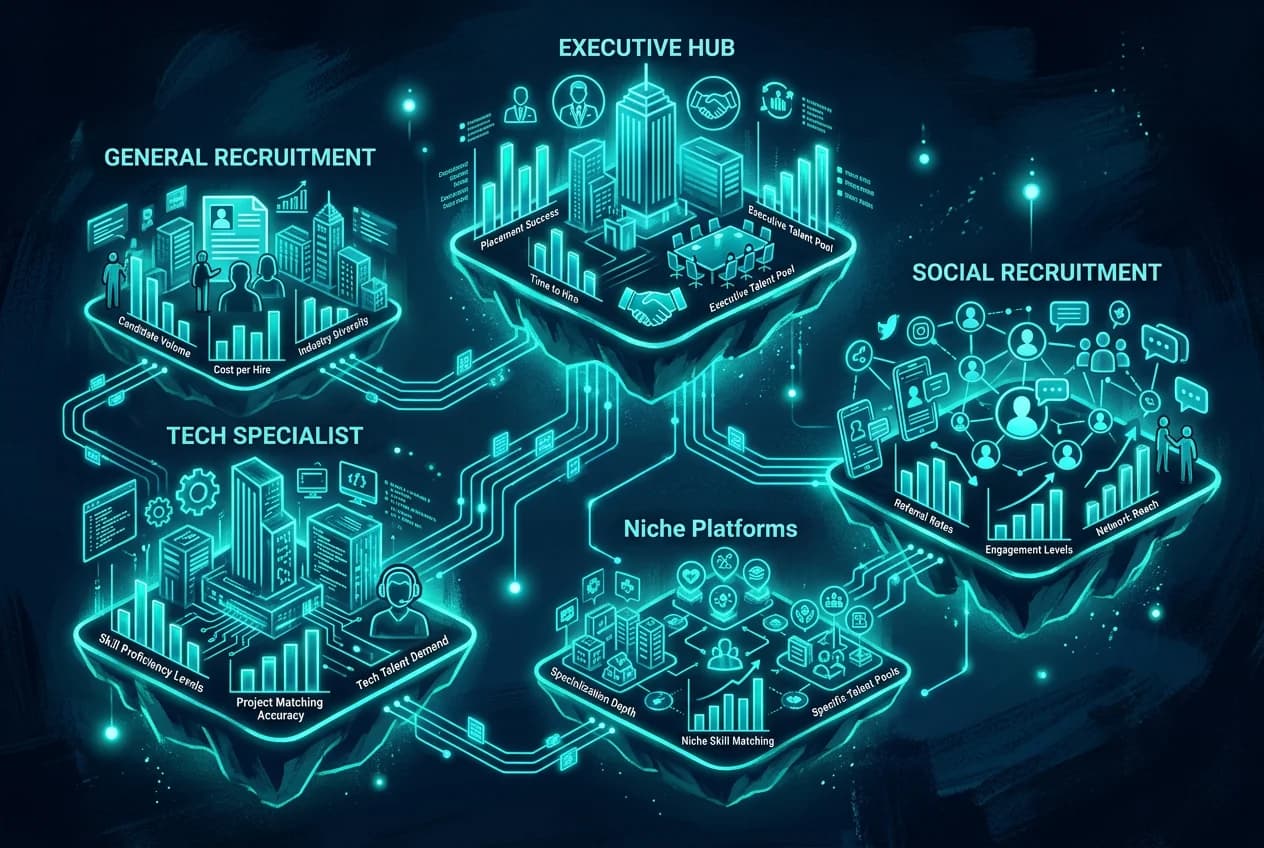
| Platform | Best For | Top Feature | User Base |
|---|---|---|---|
| Boss Zhipin | Quick response / SMEs | Direct Chat with Managers | 190M+ |
| Liepin | Senior / High-salary | Headhunter Network | 90M+ |
| Careerboom.ai | Prep & Optimization | AI Resume & Interview Prep | Global / Niche |
| Zhaopin | Graduates / SOEs | Campus Recruitment | 230M+ |
| 51job | Traditional / Tier 2-3 | Massive Database | 200M+ |
| Maimai | Tech Networking | Company Gossip Forums | 120M+ |
| Douyin | Creative / Gen Z | Livestream Recruitment | 800M+ (Daily) |
| Specific Companies | Official Mini-Programs | 1.3B+ | |
| Lagou | Developers / R&D | Tech Stack Filtering | 30M+ |
| MNCs / Expats | Global Talent Bridge | 60M+ (China) |
The 2026 Job Search Strategy: 3 Essential Tips

To succeed in 2026, simply knowing where to look is only half the battle. You must adapt to the "New Quality Productive Forces" (新质生产力) that the Chinese government is emphasizing.
1. Optimize for "AI First" Screening
In 2026, your resume will likely be read by an AI before it ever reaches a human. Platforms like Careerboom.ai are essential here because they help you align your experience with the specific "High-Tech" vocabulary currently in favor. Ensure your skills include relevant keywords like "Large Language Models (LLM)," "Sustainable Supply Chain," or "Cross-Border Digital Economy."
2. Master the "Livestream" Interview
With the rise of Douyin and Liepin's "Doris," being comfortable on camera is a non-negotiable skill.
- Tip: Practice your "Elevator Pitch" in 30-second video bursts.
- Tip: While specific to livestreaming, many principles overlap with how to ace a Zoom interview, such as professional lighting and etiquette.
3. Leverage the "Private Domain"
Don't just wait for a job to appear on Boss Zhipin.
- Action: Find the WeChat Official Account of your top 10 target companies.
- Action: Join industry-specific WeChat groups. In China, the "Hidden Job Market" is often filled through referrals in these private circles before the listing ever goes public, a key tactic in any stealth job search.
Conclusion: Navigating the Future of Work in China
The Chinese job market in 2026 is hyper-competitive, but it is also full of opportunity for those who know how to use the right tools. From the direct-access power of Boss Zhipin to the AI-driven preparation of Careerboom.ai, the platforms are there to help you stand out.
Success in 2026 requires a multi-platform approach: use Zhaopin for the volume, Liepin for the high-end opportunities, and Maimai for the insider knowledge. Most importantly, stay adaptable. The Chinese market moves faster than any other on earth—and your job search strategy should move just as fast.
Frequently Asked Questions
Quick answers to common questions
Boss Zhipin is the top-rated app due to its "Direct Chat" model with hiring managers. Other essential platforms include:
- Liepin for executive roles.
- Zhaopin for fresh graduates.
- Maimai for professional networking. Using Careerboom.ai is recommended to optimize your profile for these AI-driven platforms.
For expats, LinkedIn remains the primary bridge for MNC roles. To increase success, you should:
- Use Liepin to connect with headhunters.
- Follow WeChat Official Accounts of target companies.
- Use Careerboom.ai to tailor your resume for Chinese Applicant Tracking Systems (ATS).
Boss Zhipin focuses on instant messaging, allowing candidates to chat directly with bosses for quick feedback. Liepin is a high-end hub for "Gold Collar" professionals (salaries 200k+ RMB) that features AI-driven video interviews and a massive network of verified headhunters.
In 2026, most platforms use AI filters. To pass, use Careerboom.ai to:
- Integrate industry keywords like "LLM" or "Green Energy."
- Use ATS-friendly formatting to avoid common rejection triggers.
- Align your skills with the "New Quality Productive Forces" terminology.
LinkedIn shifted its strategy to focus on global talent bridging. While it lacks a domestic job board, it is the best tool for:
- Bilingual professionals targeting international firms.
- Returning Sea Turtles (海归) leveraging overseas experience.
- Networking with global recruiters hiring for China-based roles.
Lagou is the specialist platform for R&D and tech stacks. However, Maimai is essential for tech workers to find "insider" information on company culture and "996" work schedules, while Boss Zhipin dominates for tech roles in startups and SMEs.
The hidden market is found in WeChat Private Domains. To access it:
- Follow Company Mini-Programs for direct internal listings.
- Join industry-specific WeChat groups for referrals.
- Use Maimai to network with current employees before a job is officially posted.
Was this article helpful?
Table of Contents
1. Boss Zhipin (BOSS直聘): The Direct Chat King
2. Liepin (猎聘): The High-End Professional Hub
3. Careerboom.ai: The AI Career Assistant
4. Zhaopin (智联招聘): The Comprehensive Giant
5. 51job (前程无忧): The Traditional Powerhouse
6. Maimai (脉脉): The Professional Social Hub
7. Douyin (抖音): The Livestreaming Disruptor
8. WeChat (微信): The Ecosystem Approach
9. Lagou (拉勾): The Niche Tech Specialist
10. LinkedIn: The Global Talent Bridge
Comparison Table: 2026 Job Platform Breakdown
The 2026 Job Search Strategy: 3 Essential Tips
Conclusion: Navigating the Future of Work in China
1What is the best job search app in China for 2026?
2How do I find a job in China as an expat or international professional?
3What is the difference between Boss Zhipin and Liepin?
4How can I pass AI resume screening for Chinese companies?
5Is LinkedIn still effective for job searching in China in 2026?
6Which Chinese job platforms are best for tech and software engineering?
7How do I access the 'hidden job market' in China?
Share this article
Other articles

Best Job Search Sites in Hong Kong for 2026: Compare Top Platforms
Discover the most effective websites and apps to land your dream role in the heart of Asia.

Best Job Search Sites in Singapore for 2026: Compare Top Platforms
Navigate the Singaporean job market with ease using these top-rated platforms designed to connect talent with the best employers.
How to Write a Resume with No Experience (Student & Entry Level)
A complete guide for students and entry-level professionals to landing their first job.