Best Job Search Sites in Germany for 2026: Compare Top Platforms
Discover the most effective websites and apps to land your dream job in Germany's evolving labor market in 2026.
6 months ago - Updated 2 months ago

The German labor market in 2026 is a landscape defined by two major forces: a chronic shortage of skilled labor (Fachkräftemangel) and the total integration of Artificial Intelligence into the recruitment process. For job seekers, this means that while there are more opportunities than ever, navigating the AI layoff wave and the methods used to find and secure these roles have shifted.
Navigating a Germany job search today requires more than just a translated CV. It requires a strategic approach to the digital ecosystems where German recruiters live, often involving a stealth job search or following a comprehensive guide to finding work in Germany to find roles before they are even posted. Whether you are a local professional looking for a career pivot or an international candidate utilizing the "Chancenkarte" (Opportunity Card) to enter the EU's largest economy, choosing the right platform—and perhaps an AI-powered assistant like CareerBoom.ai to manage your applications—is the single most important decision you will make.
In this guide, we dive deep into the top five job platforms 2026 has to offer, analyzing how they have evolved to meet the needs of a modern, tech-driven workforce, while considering the broader landscape of top job searching sites in Germany.
The Evolution of Working in Germany: 2026 Context
Before we analyze the platforms, it is essential to understand the market dynamics of 2026. Germany has significantly streamlined its immigration laws, making it easier for non-EU citizens to find work, a process supported by the official portal for qualified professionals. However, the expectations for digital literacy and "soft skills" have risen.
Key Trends Shaping the 2026 Job Market
- The Rise of AI-First Recruitment: Most large German corporations (DAX companies) now use AI to screen resumes before a human ever sees them.
- Remote vs. Hybrid Stability: The "Work from Anywhere" trend has stabilized into a "Hybrid-First" model, with 60% of office-based roles requiring at least two days in a local hub like Berlin, Munich, or Frankfurt, though many still utilize the best remote jobs websites to find fully flexible positions.
- Skills-Based Hiring: German employers are slowly moving away from the traditional obsession with certificates (Zeugnisse) and toward verified robot-proof skills and portfolios.
With these trends in mind, let’s look at the platforms that are dominating the German recruitment space this year.
1. StepStone: The Heavyweight Champion of German Recruitment

StepStone remains the most recognized name in the German job market. In 2026, it has successfully transitioned from a traditional job board into a comprehensive career ecosystem. It is often the first port of call for professionals in engineering, healthcare, and management.
Why StepStone Leads the Market
StepStone’s dominance comes from its deep integration with the German corporate world. Most medium-to-large German enterprises (the Mittelstand) list their vacancies here first. The platform has invested heavily in "The StepStone Group" proprietary AI, which helps candidates understand not just if they are qualified for a job, but if they are a "cultural fit."
Key Features for 2026
- The Gender Bias Decoder: A tool for employers that ensures job descriptions are inclusive, which has led to a more diverse range of applicants succeeding on the platform.
- Salary Planner: StepStone’s salary data is among the most accurate in Germany. In 2026, this tool provides real-time inflation-adjusted data for specific regions (e.g., comparing a salary in Munich vs. Leipzig), providing a solid foundation for salary negotiation secrets when you receive an offer.
- Autonomous Matching: You no longer need to search manually. Their AI "recommender system" analyzes your interaction with job posts to send you increasingly accurate "Job Agents" (email alerts).
Pros and Cons for International Candidates
| Pros | Cons |
|---|---|
| Highest volume of high-paying professional roles. | Many listings are still exclusively in German. |
| Excellent mobile app experience. | High competition for popular roles in cities like Berlin. |
| Trusted by traditional German "Mittelstand" companies. | Can feel overwhelming due to the sheer volume of data. |
2. Indeed Germany: The Data-Driven Powerhouse
If StepStone is the "prestige" platform, Indeed Germany is the "utility" platform. It functions as a massive aggregator, pulling listings from company career pages, newspapers, and other job boards across the Federal Republic.
The 2026 Indeed Experience
In 2026, Indeed has moved beyond being a simple search engine. Their "Indeed Hiring Platform" now automates the initial interview stages for many companies. For a candidate, this means you might apply for a job and be invited to a recorded video screening or a skills assessment within minutes, making it vital to master Zoom interview etiquette.
Why It’s Essential for Your Germany Job Search
Indeed’s strength lies in its "Indeed Apply" feature. Many companies have integrated their internal Applicant Tracking Systems (ATS) directly with Indeed, allowing for a "one-click" application process. In a fast-moving market, being the first to apply is often the difference between getting an interview and being ignored.
Key Features
- Company Reviews: Indeed’s database of employee reviews is particularly strong in Germany, giving candidates an inside look at the "Arbeitsklima" (work atmosphere).
- Skill Assessments: Candidates can take standardized tests in coding, language, or administration, which then appear as "verified" badges on their profiles.
- Aggregated Search: It catches the jobs that smaller companies might not pay to list on premium sites like StepStone.
3. Careerboom.ai: The AI-Native Disruptor
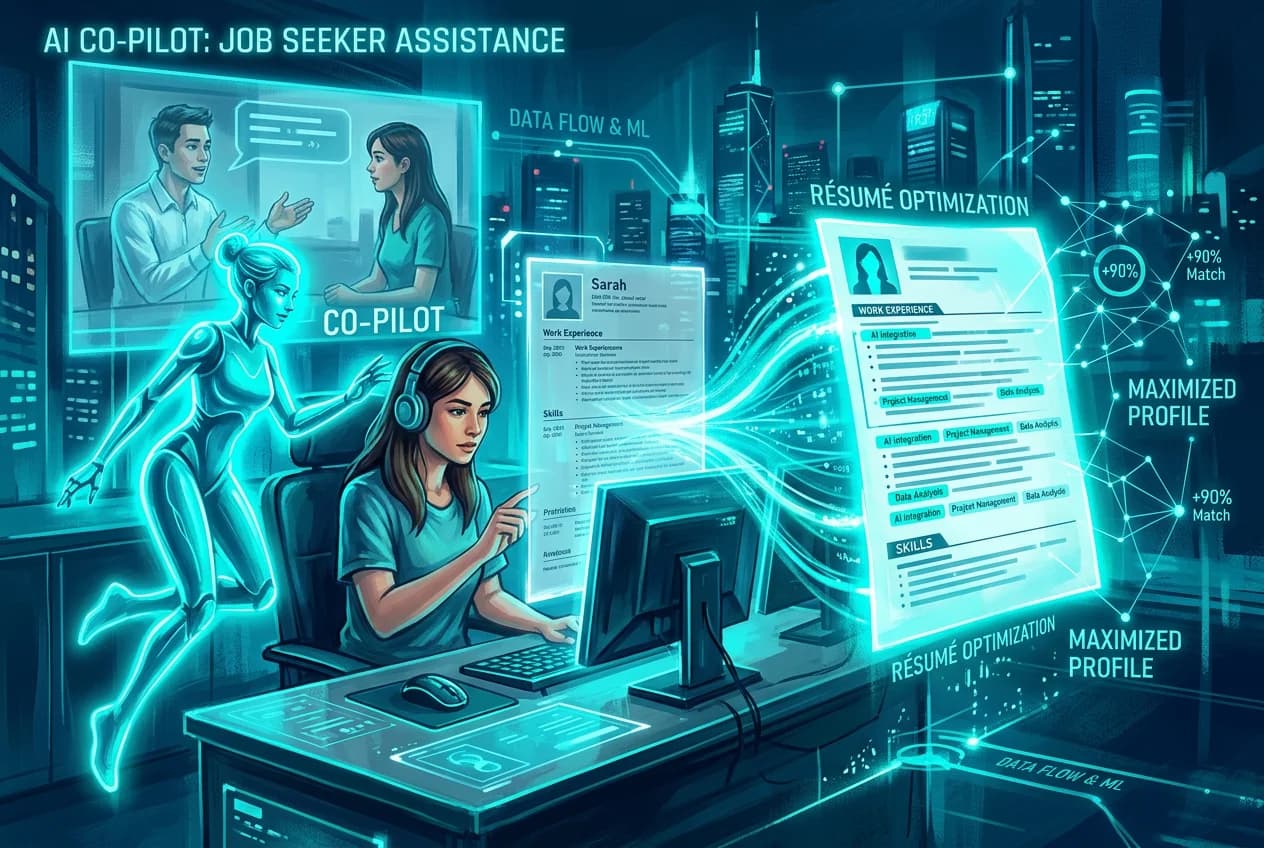
New for the 2026 landscape, careerboom.ai represents the next generation of career development. While traditional platforms focus on listing jobs, Careerboom focuses on winning them. It is specifically designed for the modern era where AI screens your resume before a human does.
The AI Advantage
Careerboom.ai isn't just a job board; it’s an AI-powered career co-pilot. For international candidates or those looking to break into the German tech and service sectors, this platform provides tools that were previously only available through expensive career coaches.
Why Careerboom.ai is a Game Changer in 2026
- Hyper-Personalized Matchmaking: Instead of keyword matching, Careerboom.ai uses Large Language Models (LLMs) to understand the context of your experience. It can tell an engineer that their skills in automotive manufacturing are a 95% match for a renewable energy role, even if the keywords don't align perfectly.
- AI Resume Tailoring: The platform helps users tailor their resume for specific German ATS requirements. It ensures that your profile isn't just good, but "machine-readable" for German recruiters.
- Interview Simulation: One of its standout features in 2026 is the AI-driven mock interview tool, which simulates German-style interviews (which tend to be more formal and technical) to help candidates prepare for common job interview questions and best answers.
Target Audience
Careerboom.ai is the go-to for "Gen AI" workers—professionals who want to use technology to cut through the noise of traditional job hunting. It is particularly effective for expats who need help translating their international experience into terms that German employers value.
4. LinkedIn: The Global Networking Standard
By 2026, LinkedIn has almost entirely eclipsed its local rival, Xing, in the professional white-collar space. For anyone working in Germany in the tech, marketing, or multinational corporate sectors, a LinkedIn profile is no longer optional—it is your digital identity.
Networking in the German Context
Germans have historically been private about their professional lives, but the culture has shifted. In 2026, "Social Selling" and "Social Recruiting" are standard. Recruiters at companies like Siemens, SAP, and Allianz spend hours every day "headhunting" on LinkedIn. Utilizing the latest LinkedIn tips and tricks can help you stand out in this competitive landscape.
Key Features for the German Market
- Service Pages: For freelancers in Germany, LinkedIn’s service pages allow them to be found by local businesses looking to outsource projects.
- LinkedIn Learning Integration: Many German employers now recognize LinkedIn Learning certificates as valid "Weiterbildung" (further education).
- Open to Work (Strategic Use): The "Open to Work" feature has become more sophisticated, allowing you to signal your interest to recruiters without your current employer seeing it, with specific filters for German "Notice Periods" (Kündigungsfrist), which are typically three months.
How to Succeed on LinkedIn Germany
To succeed here, your profile must be bilingual. Even if you are looking for an English-speaking role, having your summary and key skills available in German demonstrates a commitment to the local culture—a trait highly valued by German hiring managers.
5. Xing: The DACH Region Specialist
While LinkedIn is the global giant, Xing remains a critical tool for those targeting the "traditional" German heartland. If your goal is to work for a hidden champion in a smaller city or a local government-affiliated organization, Xing is where you need to be.
The 2026 Pivot
Xing has rebranded itself several times over the last decade. In 2026, it has moved away from being a "Facebook for professionals" and more toward being a "jobs and news" platform. It is particularly strong in the "DACH" region (Germany, Austria, Switzerland).
Why Xing Still Matters
- Regional Dominance: In regions like Bavaria or Baden-Württemberg, local SMEs (Small and Medium Enterprises) still prefer Xing for its perceived data privacy and local focus.
- Salary Reviews (Kununu Integration): Xing owns Kununu, the leading employer review site in the German-speaking world. The integration between the two allows you to see real salary data and "culture scores" directly on job listings.
- Industry Groups: Xing’s "Groups" feature is still very active for niche German industries, such as specialized mechanical engineering or local legal sectors.
Comparison: LinkedIn vs. Xing in 2026
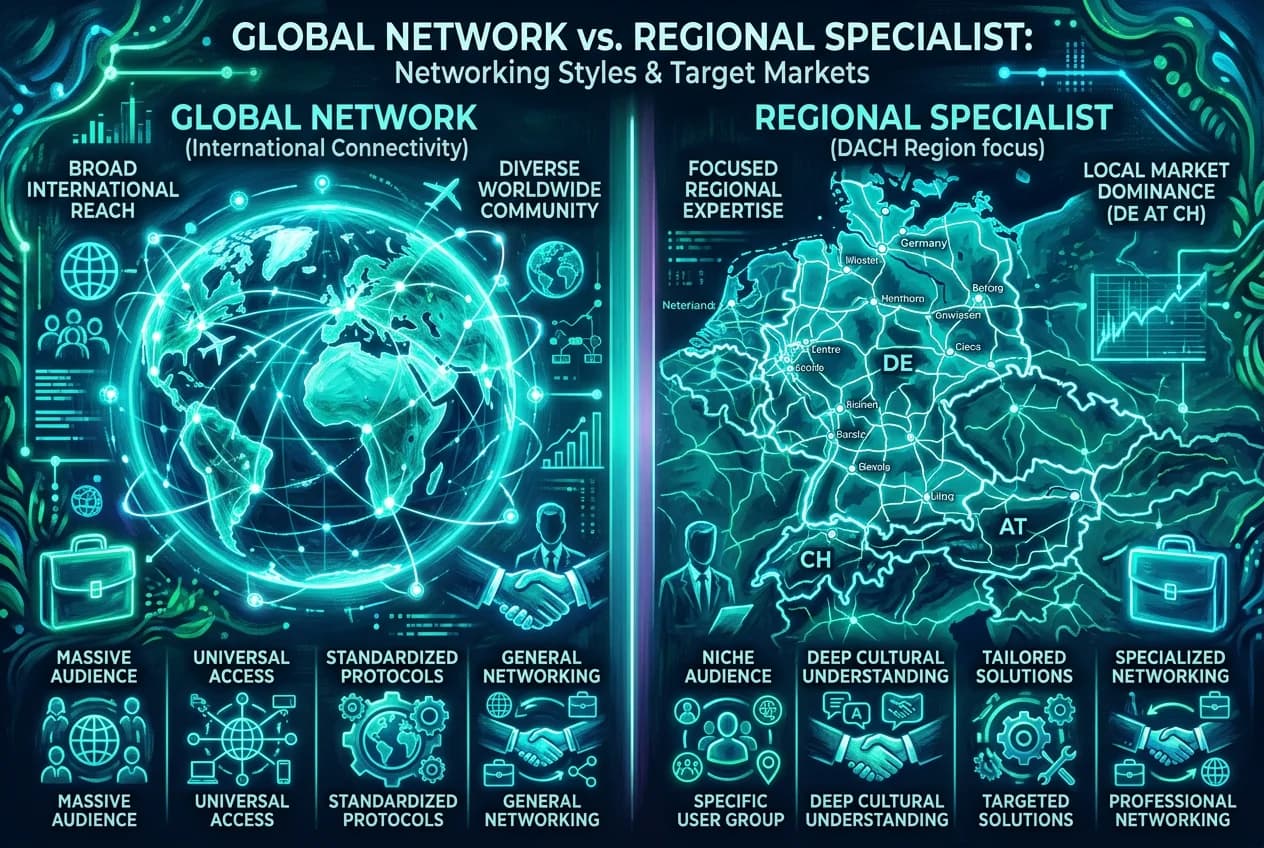
| Feature | ||
|---|---|---|
| Primary Language | English/International | German |
| Best For | Tech, Startups, MNCs | SMEs, Local Trade, Public Sector |
| Networking Style | Content-heavy, Global | Direct, Localized |
| Recruiter Presence | High (Internal & Agency) | High (Local Headhunters) |
Comparative Analysis: Which Platform is Right for You?
Choosing the right platform depends on your specific situation. If you are considering other international markets, you might also explore the best UK job platforms or the top job search platforms in Canada for comparison. Use the table below to determine where to focus your energy.
| Candidate Profile | Primary Platform | Secondary Platform |
|---|---|---|
| International Tech Worker | careerboom.ai | |
| Healthcare Professional | StepStone | Indeed Germany |
| Local German Graduate | StepStone | |
| Freelancer/Creative | Indeed Germany | |
| Skilled Trade (Handwerk) | Indeed Germany |
The "Chancenkarte" and Job Platforms: A 2026 Guide
The Germany job search for non-EU citizens changed drastically with the full implementation of the Opportunity Card (Chancenkarte). This points-based system allows workers to come to Germany for a year to look for work.
How Platforms Support the Chancenkarte
In 2026, platforms like StepStone and careerboom.ai have added filters specifically for "Visa Sponsorship" or "Chancenkarte Friendly" employers.
- StepStone allows you to filter for companies that have a history of hiring international talent.
- Careerboom.ai uses its AI to match your point total for the Opportunity Card with the likelihood of finding a job in specific federal states (Bundesländer), helping you decide whether to move to Berlin, Hamburg, or North Rhine-Westphalia.
3 Essential Tips for Success on German Platforms in 2026
Regardless of the platform you choose, the German recruitment process has specific "unwritten rules." To land a job in 2026, you must adhere to these standards.
1. The "Lebenslauf" (CV) Standards
The traditional German CV is different from the US or UK versions. To ensure your application isn't discarded, avoid bad resume examples that often lead to auto-rejection. Tools like CareerBoom.ai can be invaluable here, offering professional resume builders and AI-generated headshots that meet the specific aesthetic and structural expectations of German employers.
- Photo: While technically optional due to anti-discrimination laws, 80% of German recruiters still prefer a professional "Bewerbungsfoto."
- Structure: It must be chronological, clear, and signed.
- Precision: Use bullet points that focus on quantifiable achievements (e.g., "Increased efficiency by 15%") rather than vague descriptions.
2. The Power of "Weiterbildung"
Germany is a certificate-heavy culture. Even in 2026, showing that you are constantly learning is vital. Additionally, knowing how to write a cover letter that actually gets read is still a requirement for many German HR departments. Use the integration features on LinkedIn and careerboom.ai to display your latest certifications.
3. Understanding the "Kündigungsfrist"
German notice periods are long—often three to six months. When you set up your profile on StepStone or Indeed, be very clear about your "Verfügbarkeit" (availability). If you can start immediately, you have a massive advantage over local candidates who are locked into long contracts.
Deep Dive: How to Optimize Your Profile for 2026
To stand out in a sea of applicants, your profile needs to be optimized for both the AI algorithms and the human recruiters.
Step-by-Step Optimization
- Keyword Mapping: Look at 10 job descriptions for your target role. Identify the top 5 recurring skills. Ensure these keywords appear in your "Skills" section and your "Experience" descriptions on LinkedIn and careerboom.ai.
- The "About" Section: Use this to tell your story. Why Germany? Why this industry? In 2026, recruiters value "purpose-driven" employees.
- Endorsements and Recommendations: On LinkedIn and Xing, having recommendations from former managers (especially if they are German or from well-known companies) adds immense "Social Proof."
- AI-Ready Formatting: Avoid complex graphics or multi-column layouts on your uploaded CV. Stick to a clean, single-column format that the AI on Indeed and careerboom.ai can parse easily.
The Role of Language: Do You Need German in 2026?
A common question for those working in Germany is whether German language skills are still required. In 2026, the answer is: It depends, but it always helps.
- B1/B2 Level: This is the "sweet spot" for most international roles. It shows you can navigate daily office life and integrate into the team.
- English-Only: Common in tech startups and "Big Tech" hubs in Berlin. However, these roles are the most competitive.
- C1/C2 Level: Required for legal, medical, and high-level administrative roles.
Platforms like StepStone now allow you to filter jobs by "Language Required," which is a lifesaver for international applicants. Careerboom.ai takes this a step further by analyzing your profile and suggesting language courses if you are "just short" of the requirements for your dream job.
Future-Proofing Your Career in Germany
As we look toward the latter half of the decade, the German job market will only become more digital. The platforms mentioned here—StepStone, Indeed, careerboom.ai, LinkedIn, and Xing—are the gateways to this market.
By 2026, the "job search" is no longer a passive activity of sending out resumes. It is an active process of managing your digital brand, leveraging AI tools to optimize your reach, and networking within the specific ecosystems where your target employers operate.
Summary of Action Steps:
- Immediate: Create or update your profile on LinkedIn and StepStone.
- Strategic: Use careerboom.ai to audit your current CV against the 2026 German market standards.
- Regional: If you speak German and want to work for a "Mittelstand" company, set up a Xing profile.
- Tactical: Set up "Job Agents" on Indeed to ensure you are notified of new listings within minutes.
The German economy remains a powerhouse of innovation and stability. With the right tools and a data-driven approach, finding your place in the German workforce in 2026 is not just possible—it’s a clear path to a rewarding international career. Whether you are drawn by the high quality of life, the strong labor protections, or the opportunity to work at the forefront of European industry, these five platforms are your roadmap to success.
Frequently Asked Questions
Quick answers to common questions
The top platforms for a Germany job search in 2026 include:
- StepStone: Best for professional and management roles.
- Indeed Germany: The leading aggregator for all industries.
- CareerBoom.ai: Best for AI-powered resume tailoring and interview prep.
- LinkedIn: Essential for tech and multinational corporations.
- Xing: The go-to for local German SMEs and the DACH region.
It depends on your target industry. LinkedIn is the global standard for tech, marketing, and international startups. However, Xing remains critical for traditional German Mittelstand (SMEs), local trade, and public sector roles, especially in regional hubs outside of Berlin or Munich.
While English-only roles exist in tech and startups, B1/B2 German is considered the "sweet spot" for most professional roles. Having German skills significantly increases your competitiveness on platforms like StepStone, though tools like CareerBoom.ai can help you find English-speaking opportunities specifically.
The Chancenkarte is a points-based system allowing non-EU citizens to enter Germany for one year to find work. In 2026, platforms like StepStone and CareerBoom.ai have integrated filters to help applicants identify visa-sponsorship friendly employers and calculate their eligibility points.
German recruiters expect a Lebenslauf (CV) that is:
- Chronological: Clear, dated history of your career.
- Quantifiable: Focus on data-driven achievements.
- Professional: While technically optional, a professional Bewerbungsfoto (headshot) is still highly preferred by 80% of German hiring managers.
In 2026, AI tools like CareerBoom.ai are essential for:
- ATS Optimization: Ensuring your resume passes German automated screening.
- Interview Prep: Simulating formal German-style technical interviews.
- Skill Mapping: Identifying how your international experience translates to the local market.
StepStone and Xing (via Kununu integration) offer the most accurate, real-time salary data. StepStone’s Salary Planner provides inflation-adjusted benchmarks for specific regions, which is vital for salary negotiations in high-cost cities like Munich or Frankfurt.
Was this article helpful?
Table of Contents
The Evolution of Working in Germany: 2026 Context
1. StepStone: The Heavyweight Champion of German Recruitment
2. Indeed Germany: The Data-Driven Powerhouse
3. Careerboom.ai: The AI-Native Disruptor
4. LinkedIn: The Global Networking Standard
5. Xing: The DACH Region Specialist
Comparative Analysis: Which Platform is Right for You?
The "Chancenkarte" and Job Platforms: A 2026 Guide
3 Essential Tips for Success on German Platforms in 2026
Deep Dive: How to Optimize Your Profile for 2026
The Role of Language: Do You Need German in 2026?
Future-Proofing Your Career in Germany
1What are the best job search sites in Germany for 2026?
2Is LinkedIn or Xing better for finding work in Germany?
3Do I need to speak German to find a job in Germany in 2026?
4How does the Chancenkarte (Opportunity Card) work for job seekers?
5What are the standard CV requirements for German employers?
6How can AI tools improve my job search in Germany?
7Which platform is best for salary data in Germany?
Share this article
Other articles
How to Ace a Zoom Interview: Setup, Lighting, and Etiquette
Master the art of virtual interviews with expert tips on technical setup, lighting, background, and professional etiquette.

10 Best Job Trackers to Organize Your Search in 2026
Streamline your job hunt with the top Chrome extensions and platforms designed to track applications effortlessly.
10 Best Chrome Extensions for Job Seekers to Autofill Applications
Save hours every week by automating repetitive form filling and tracking your applications effortlessly.