10 Manual Jobs AI and Robots Can’t Replace in 2026
Discover high-demand, hands-on careers that leverage uniquely human skills, ensuring your job security in an automated world.
7 months ago - Updated 3 months ago
The relentless march of technology has consistently reshaped the landscape of work, and today, the specter of automation looms larger than ever before. From self-driving cars to AI-powered customer service, robots and artificial intelligence are revolutionizing industries, prompting widespread concern about job displacement. While it's true that many repetitive and data-driven tasks are increasingly vulnerable to automation, a significant segment of the workforce remains exceptionally resilient: manual jobs. These are the professions that demand a unique blend of physical dexterity, critical thinking, creativity, and uniquely human empathy – skills that robots, for all their advancements, simply cannot replicate (yet), making them truly AI-proof careers.
This article delves into the heart of job security in an automated world, spotlighting manual jobs that are inherently automation resistant. We will explore how these roles leverage indispensable human skills to ensure their longevity and present viable pathways for those seeking robust future careers. If you're looking to future-proof your career and secure your place in a rapidly evolving economy, understanding these hands-on professions is a crucial first step. To effectively navigate the job market for these robust roles, leveraging an AI-powered platform like CareerBoom.ai can streamline your application process and highlight your unique human skills.
The Shifting Sands of Employment: Understanding Automation's Reach
Automation isn't a new phenomenon; it's been a driving force in industrial revolutions for centuries. However, the current wave, fueled by advancements in AI, machine learning, and robotics, is distinct in its speed and breadth. Unlike previous waves that primarily impacted physical labor, today's automation can analyze data, make decisions, and even learn, encroaching upon tasks once considered the exclusive domain of human cognition.
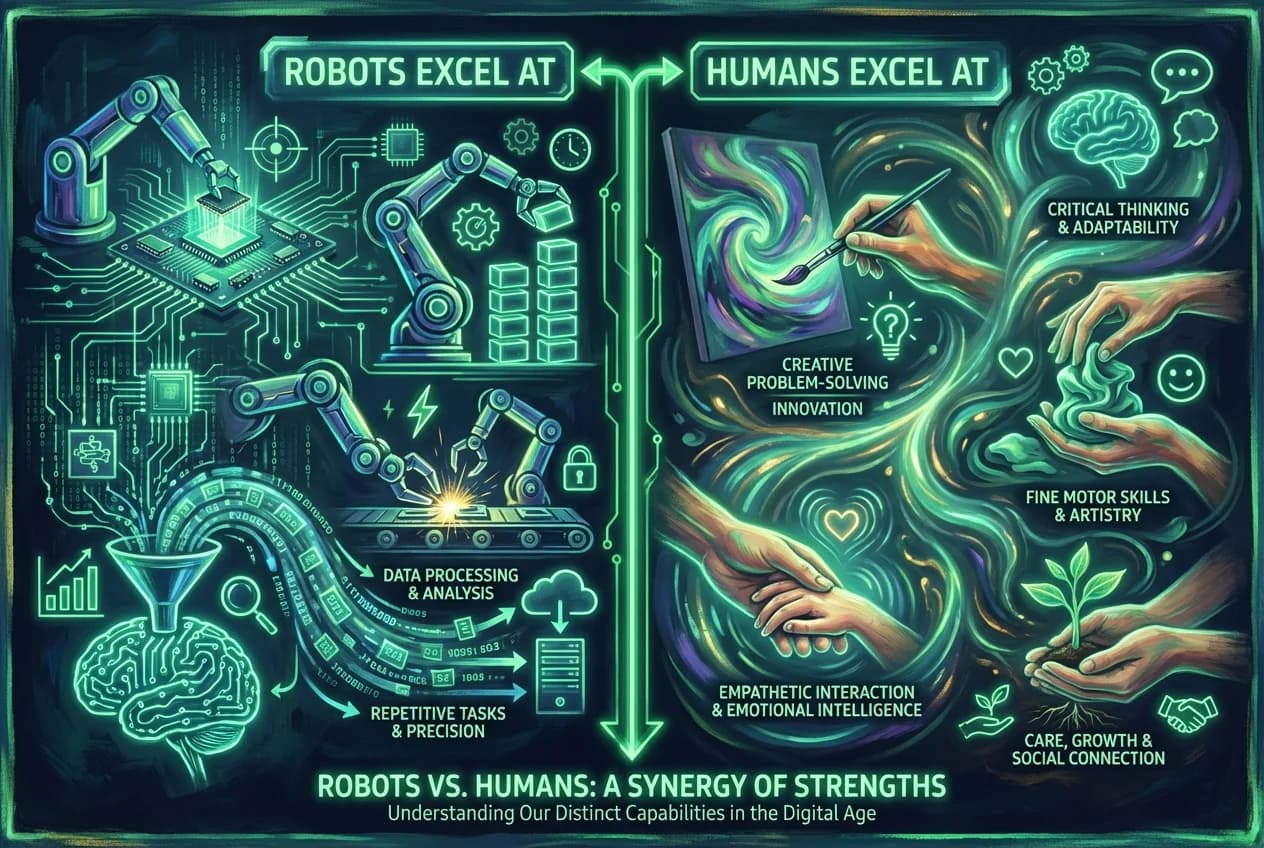
What Robots Do Well (and What They Don't)
To understand which jobs are automation resistant, it's essential to recognize the strengths and limitations of current robotic and AI technologies.
Robots excel at:
- Repetitive Tasks: Performing the same action thousands of times with precision and consistency.
- Predictable Environments: Operating effectively in structured, unchanging settings like assembly lines.
- Data Processing: Analyzing vast amounts of information quickly and accurately.
- Heavy Lifting/Dangerous Work: Handling physically demanding or hazardous tasks that pose risks to humans.
- Rule-Based Operations: Following predefined algorithms and instructions without deviation.
Robots struggle with (and where human skills shine):
- Complex Problem-Solving: Diagnosing novel issues, adapting to unforeseen circumstances, and thinking creatively outside predefined parameters.
- Fine Motor Skills & Dexterity: Performing intricate manipulations that require nuanced touch, pressure, and real-time adaptation.
- Creativity & Innovation: Generating original ideas, designing unique solutions, and expressing artistic vision.
- Emotional Intelligence & Empathy: Understanding and responding to human emotions, building rapport, and providing compassionate care.
- Adaptability to Unstructured Environments: Navigating unpredictable physical spaces, dealing with variability, and improvising solutions on the fly.
- Ethical Judgment: Making decisions that require moral reasoning, cultural sensitivity, and an understanding of human values.
This distinction forms the bedrock of job security in an increasingly automated world. Manual jobs that heavily rely on these "struggle areas" for robots are precisely the ones poised for long-term stability and growth.
Why Manual Jobs Are Inherently Automation Resistant
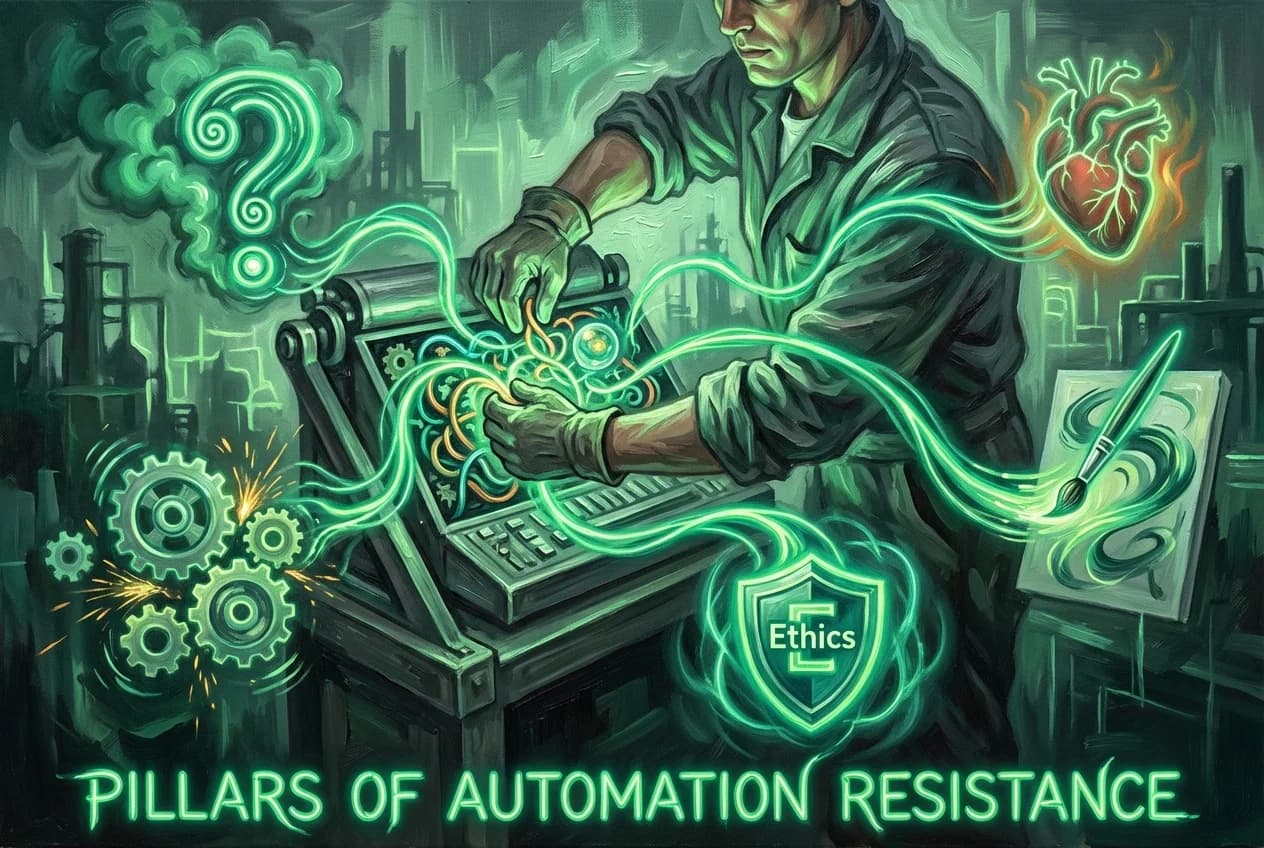
The enduring value of manual jobs stems from their intrinsic reliance on uniquely human attributes. These roles aren't just about physical labor; they're about applying intelligence, judgment, and a personal touch to tangible tasks.
The Pillars of Automation Resistance in Manual Professions
- Unpredictability and Variability: Many manual jobs involve working in dynamic, unstructured environments. A plumber encounters unique pipe layouts in every home; an electrician diagnoses different wiring faults; a carpenter adapts to the quirks of each piece of wood. Robots thrive on predictability, making these varied scenarios extremely challenging for them to navigate autonomously.
- Fine Motor Skills and Dexterity: Tasks requiring delicate touch, precise manipulation of small objects, or intricate hand-eye coordination are still largely beyond the capabilities of even the most advanced robots. Think of a surgeon performing a complex operation, a tailor custom-fitting a garment, or a chef decorating a cake.
- Human Interaction and Empathy: Professions that involve direct, compassionate interaction with other humans – whether it's healthcare, personal services, or education – require emotional intelligence, communication skills, and the ability to build trust. These are fundamentally human skills that robots cannot replicate.
- Creativity and Aesthetic Judgment: Many manual jobs are also inherently creative, from crafting custom furniture to preparing gourmet meals. These roles demand an artistic eye, innovative thinking, and the ability to produce something unique and aesthetically pleasing, which is a hallmark of human intelligence.
- Complex Problem-Solving and Diagnostics: When something breaks or goes wrong, it often requires a human to diagnose the root cause, which may involve interpreting subtle clues, applying years of experience, and thinking critically about interconnected systems. A robot can follow a diagnostic flowchart, but a human can intuit, experiment, and innovate when the flowchart fails.
- Safety and Ethical Considerations: Many manual jobs involve inherent risks or ethical dilemmas that demand human judgment. Deciding how to safely fell a tree, navigate a hazardous construction site, or provide end-of-life care requires more than just technical proficiency; it requires moral reasoning and a deep understanding of human well-being.
By leaning into these core competencies, individuals can build future careers that are not only secure but also deeply rewarding, leveraging the very essence of what it means to be human in a technological age. These are the skills that will future-proof your career.
Future-Proof Your Career: 10 Manual Jobs Robots Can't Replace (Yet)
Let's explore a curated list of high-demand, hands-on professions that leverage uniquely human skills, ensuring your job security in an automated world. These are the manual jobs where your intellect, creativity, and dexterity will continue to be invaluable, often referred to as future-proof trades jobs.
1. Electrician
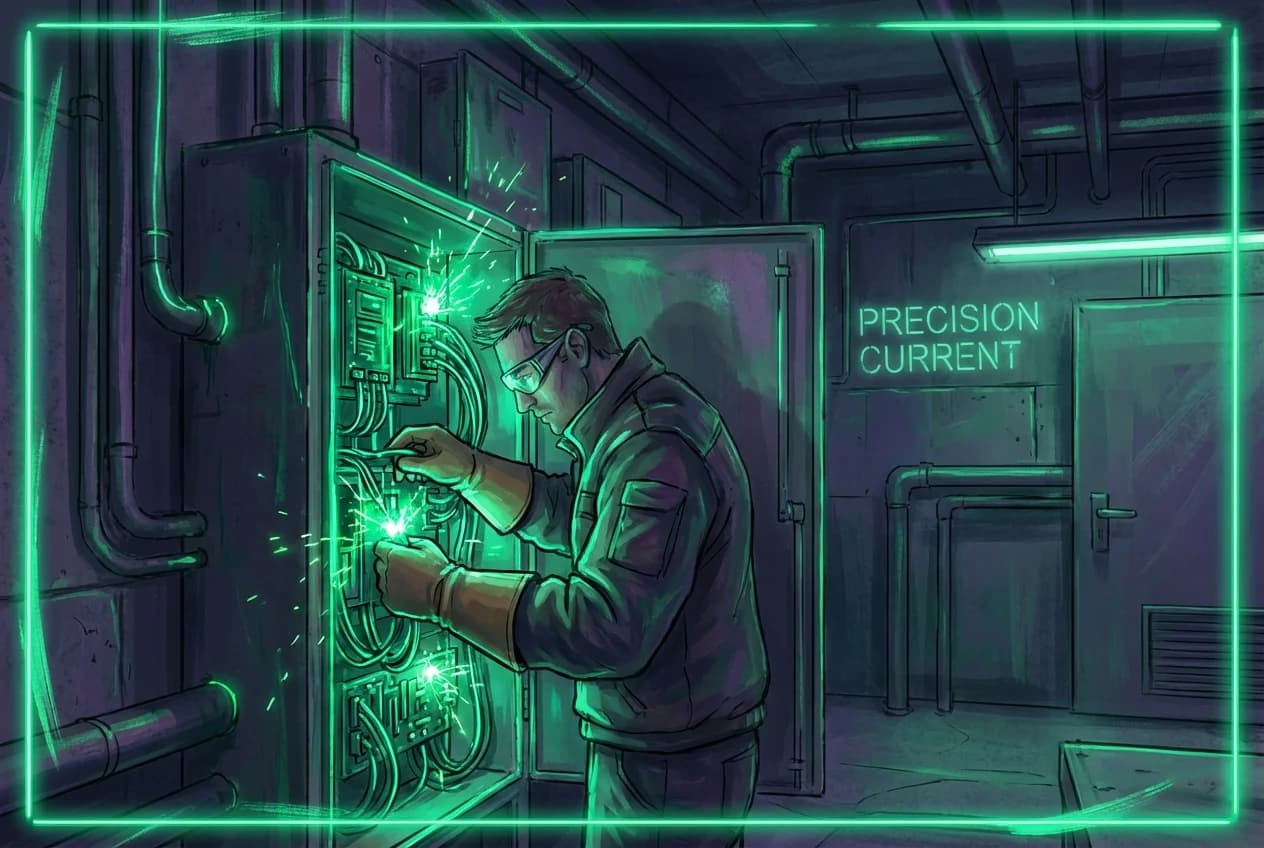
Why it's Automation Resistant: Electricians are frontline problem-solvers dealing with complex, often unpredictable electrical systems. Every building, every wiring issue, and every installation presents a unique set of challenges. They must diagnose faults, interpret blueprints, adhere to strict safety codes, and adapt to existing structures – tasks that require advanced critical thinking, spatial reasoning, and fine motor skills in often confined or hazardous spaces. Robots can lay simple wiring in a new, controlled environment, but they cannot troubleshoot a flickering light in an old house or safely upgrade a complex industrial panel.
Nature of the Work: Electricians install, maintain, and repair electrical power, communications, lighting, and control systems in homes, businesses, and factories. This involves reading blueprints, bending conduit, pulling wire, testing circuits, and ensuring compliance with national and local electrical codes. Their work can range from residential service calls to large-scale commercial or industrial projects.
Qualifications and Training: Most electricians undergo an apprenticeship program, typically lasting four to five years, combining on-the-job training with classroom instruction. A high school diploma or equivalent is usually required. Licensure is mandatory in most states and localities, requiring passing an exam.
Demand and Future Careers: The demand for skilled electricians is consistently strong. As infrastructure ages and new technologies (like smart homes, electric vehicle charging stations, and renewable energy systems) emerge, the need for qualified professionals to install and maintain them only grows. The U.S. Bureau of Labor Statistics projects employment of electricians to grow 6% from 2022 to 2032, about as fast as the average for all occupations. This makes it a robust option for future careers focused on job security.
Tips for Entry/Excellence:
- Strong Math and Science Skills: Essential for understanding electrical theory and calculations.
- Problem-Solving Aptitude: The ability to logically diagnose and resolve complex issues.
- Attention to Detail: Precision is paramount in electrical work for safety and functionality.
- Commitment to Safety: Strict adherence to safety protocols is non-negotiable.
- Continuous Learning: Stay updated on new technologies, codes, and safety standards.
2. Plumber/Pipefitter
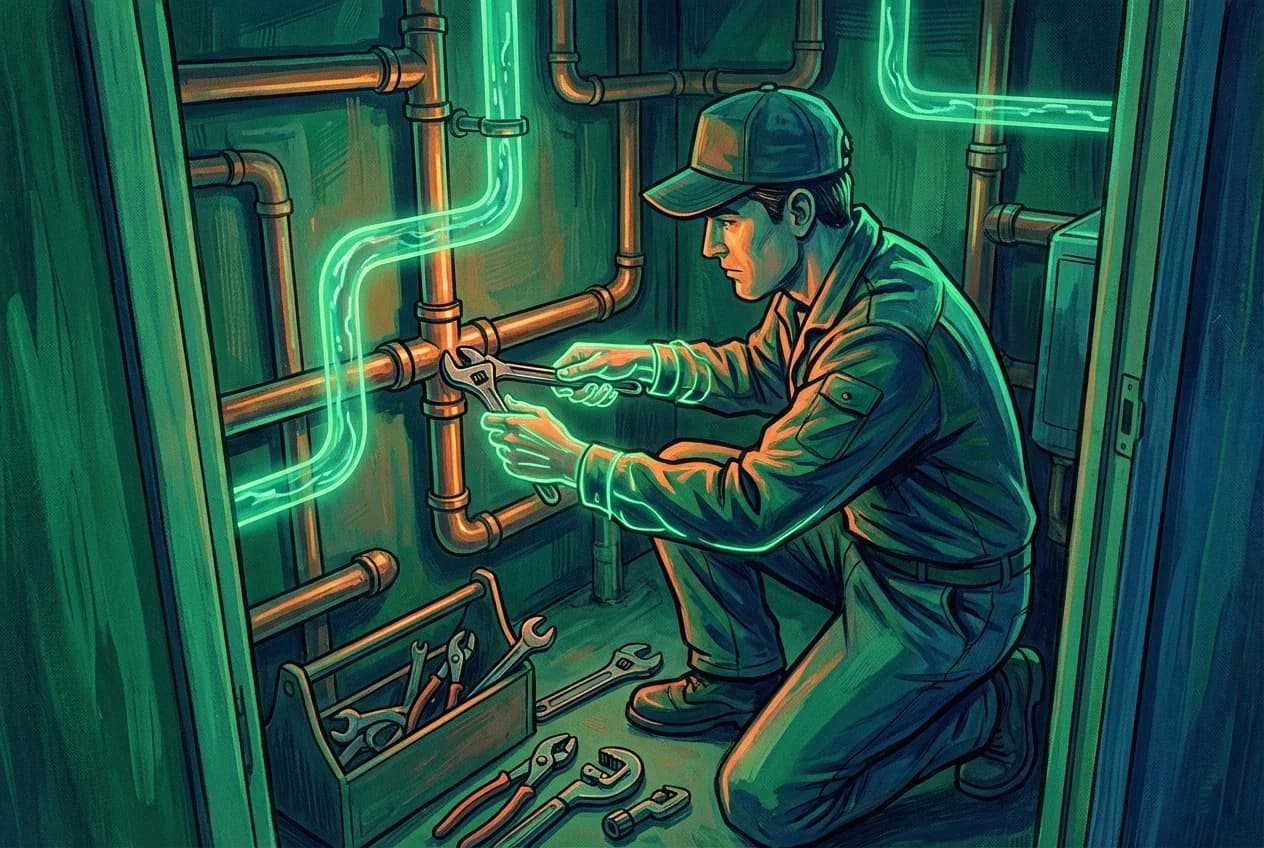
Why it's Automation Resistant: Similar to electricians, plumbers and pipefitters operate in highly varied and often unpredictable environments. Diagnosing leaks, unclogging drains, installing complex piping systems, or repairing water heaters requires a keen eye for detail, diagnostic prowess, and the ability to work with a wide range of materials and tools in tight, often dirty spaces. Each job site presents unique challenges – from old, corroded pipes to modern, intricate systems – demanding adaptability and on-the-spot problem-solving that robots simply can't handle.
Nature of the Work: Plumbers install and repair water, waste, drainage, and gas systems in residential, commercial, and industrial buildings. Pipefitters, a related specialty, install and maintain high-pressure piping systems used in manufacturing, power generation, and other industrial settings. Their work involves cutting, bending, threading, and joining pipes, as well as testing systems for leaks and ensuring compliance with codes.
Qualifications and Training: Apprenticeships are the most common path, lasting four to five years and combining paid on-the-job training with technical instruction. A high school diploma or equivalent is typically required. Licensure is generally required and involves passing an exam.
Demand and Future Careers: The need for plumbers and pipefitters is constant, as plumbing systems are fundamental to modern life. Aging infrastructure, new construction, and the demand for efficient water systems ensure a steady stream of work. The U.S. Bureau of Labor Statistics projects employment of plumbers, pipefitters, and steamfitters to grow 2% from 2022 to 2032. This makes it a reliable choice among manual jobs for long-term job security.
Tips for Entry/Excellence:
- Mechanical Aptitude: A natural understanding of how mechanical systems work.
- Physical Stamina: The job often requires lifting, bending, and working in awkward positions.
- Strong Communication Skills: To explain issues and solutions to clients.
- Attention to Detail: Precision in measurements and connections is critical to prevent leaks.
- Problem-Solving Abilities: Diagnosing hidden issues and devising effective repair strategies.
3. HVAC Technician
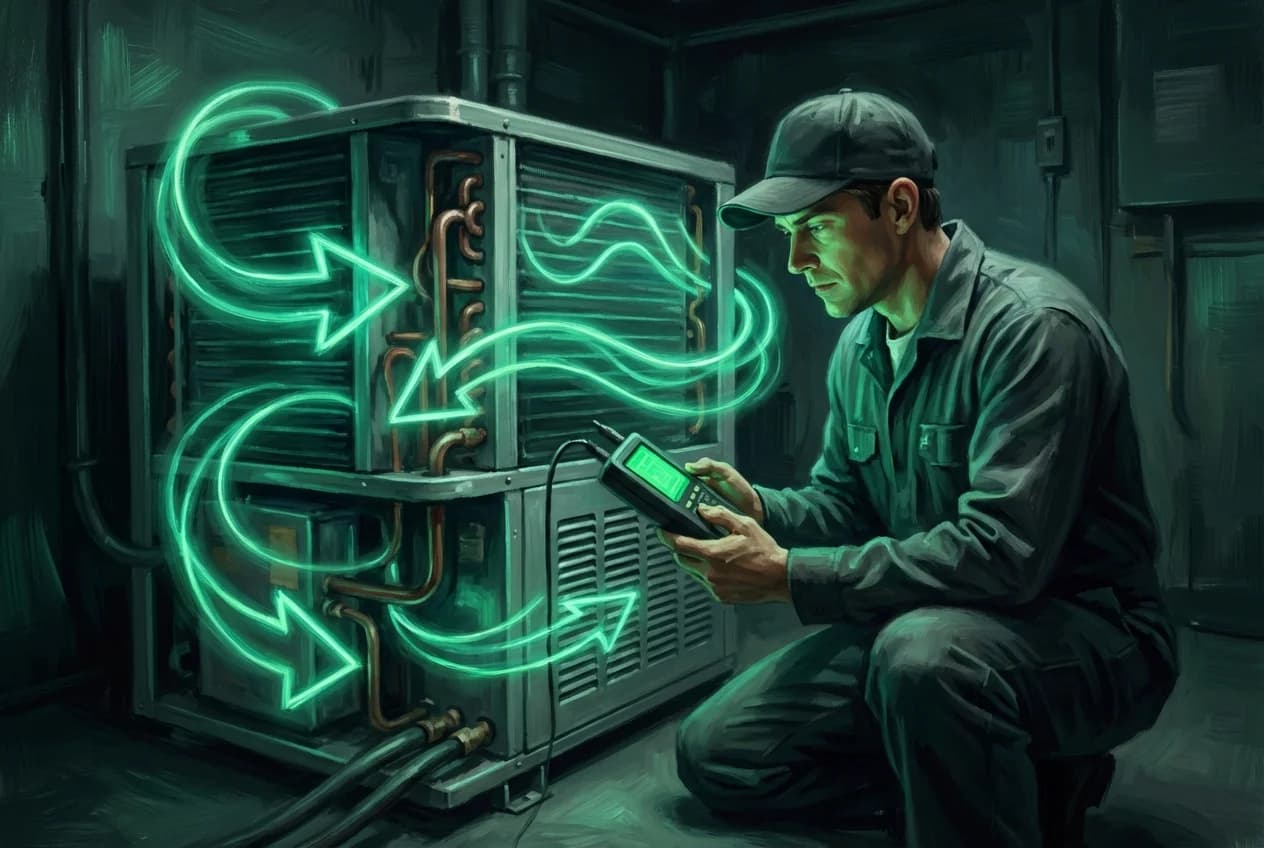
Why it's Automation Resistant: HVAC (Heating, Ventilation, and Air Conditioning) technicians deal with complex, interconnected systems that often break down in unpredictable ways. Diagnosing a faulty compressor, calibrating a complex control system, or installing a new unit in an existing structure requires a deep understanding of thermodynamics, electrical systems, and airflow, combined with hands-on diagnostic skills. They must adapt to varied building layouts, safely handle refrigerants, and troubleshoot issues that manifest differently in every scenario – tasks that are far too nuanced for current robotic capabilities.
Nature of the Work: HVAC technicians install, maintain, and repair heating, ventilation, air conditioning, and refrigeration systems. This includes working with furnaces, boilers, air conditioners, heat pumps, and ductwork. They perform routine maintenance, diagnose mechanical and electrical faults, and replace worn-out parts.
Qualifications and Training: Postsecondary education at a technical school or community college is common, leading to a certificate or associate's degree. Apprenticeships are also available. EPA certification is required for technicians who work with refrigerants.
Demand and Future Careers: As climate control becomes increasingly essential for comfort and energy efficiency, the demand for HVAC technicians remains high. The integration of smart home technology and focus on energy-efficient systems further drives this demand. The U.S. Bureau of Labor Statistics projects employment of HVAC and refrigeration mechanics and installers to grow 5% from 2022 to 2032. This is a strong example of a manual job offering excellent job security.
Tips for Entry/Excellence:
- Technical Aptitude: A knack for understanding and working with mechanical and electrical systems.
- Troubleshooting Skills: The ability to logically identify and resolve system malfunctions.
- Customer Service Skills: Interacting with clients and explaining technical issues clearly.
- Attention to Safety: Working with electricity, gas lines, and refrigerants requires strict safety adherence.
- Physical Dexterity: Working with tools and components in various spaces.
4. Specialized Welder/Fabricator
Why it's Automation Resistant: While basic, repetitive welding tasks on assembly lines can be automated, highly specialized welding and fabrication remain firmly in human hands. This includes custom artistic welding, structural welding on complex construction projects, underwater welding, pipeline welding in remote locations, or working with exotic materials. These roles demand extreme precision, adaptability to challenging environments, creative problem-solving (e.g., compensating for material warping), and an understanding of structural integrity that goes beyond programmed parameters. The human eye and hand can react to subtle changes in material behavior and environmental conditions in real-time.
Nature of the Work: Specialized welders join metals using various techniques (MIG, TIG, stick, etc.) for specific applications. Fabricators cut, shape, and assemble metal components to create custom structures, products, or repairs. This often involves interpreting complex blueprints, selecting appropriate materials and techniques, and ensuring the structural integrity and aesthetic quality of the finished product.
Qualifications and Training: Vocational schools, community colleges, and apprenticeships offer comprehensive training programs. Certifications (e.g., from the American Welding Society) are highly valued and often required for specialized roles.
Demand and Future Careers: The demand for highly skilled welders and fabricators is robust, particularly in industries like construction, manufacturing, energy (oil, gas, renewables), and infrastructure repair. As older infrastructure needs maintenance and new, complex projects arise, the need for human expertise in specialized welding will continue. The U.S. Bureau of Labor Statistics projects employment of welders, cutters, solderers, and brazers to grow 2% from 2022 to 2032. This is a vital manual job with enduring job security.
Tips for Entry/Excellence:
- Excellent Hand-Eye Coordination: Crucial for precise welding beads.
- Attention to Detail: Ensuring strong, defect-free welds.
- Spatial Reasoning: Visualizing how components fit together.
- Patience and Focus: Welding can be meticulous and requires sustained concentration.
- Knowledge of Metallurgy: Understanding how different metals react to heat and stress.
5. Carpenter/Custom Woodworker
Why it's Automation Resistant: Carpenters and custom woodworkers apply a blend of technical skill, artistic vision, and problem-solving to create or repair structures and objects from wood. While some repetitive framing tasks can be aided by machinery, the nuanced work of custom cabinetry, intricate trim work, renovating existing structures, or resolving unforeseen site challenges requires human judgment, aesthetic sensibility, and adaptability. Each piece of wood is unique, and every project has its own quirks, demanding real-time adjustments and creative solutions.
Nature of the Work: Carpenters construct, erect, install, and repair structures and fixtures made from wood and other materials. This includes framing buildings, installing doors and windows, building stairs, and creating custom cabinetry or furniture. Custom woodworkers focus on bespoke pieces, often involving intricate joinery and finishes.
Qualifications and Training: Apprenticeships are a common route, offering comprehensive on-the-job training. Vocational schools and community colleges also provide programs. A high school diploma or equivalent is typically required.
Demand and Future Careers: The construction industry consistently needs skilled carpenters, and there's a growing market for custom woodworking and renovation projects. As people seek unique, handcrafted items and personalized living spaces, the demand for human artisans remains strong. The U.S. Bureau of Labor Statistics projects employment of carpenters to grow 2% from 2022 to 2032. This profession epitomizes human skills in a manual job context, offering good job security.
Tips for Entry/Excellence:
- Precision and Accuracy: Crucial for structural integrity and aesthetic appeal.
- Spatial Awareness: Understanding how components fit in three dimensions.
- Creative Problem-Solving: Adapting to unique project demands and material variations.
- Physical Stamina: The work can be physically demanding.
- Artistic Eye: Particularly for custom woodworking, an appreciation for design and aesthetics.
6. Chef/Culinary Artist
Why it's Automation Resistant: A chef's role extends far beyond simply cooking. It involves creativity in menu development, sensory evaluation (tasting, smelling, feeling textures), improvisation based on ingredient availability and quality, managing a dynamic and often chaotic kitchen environment, and ensuring consistent quality and presentation. While robots can perform repetitive cutting or frying tasks, they lack the ability to truly taste, adjust seasoning on the fly, innovate new dishes, or respond to the nuanced feedback of diners. The human touch in culinary arts – the passion, the flair, the adaptation – is irreplaceable.
Nature of the Work: Chefs and head cooks oversee the daily operations of restaurant kitchens, plan menus, order ingredients, manage staff, and ensure food quality and presentation. Culinary artists often specialize in specific cuisines or techniques, focusing on innovation and aesthetic appeal.
Qualifications and Training: Many chefs gain experience through on-the-job training, starting in entry-level kitchen positions. Formal culinary arts programs at vocational schools or community colleges are also popular, providing foundational skills and advanced techniques.
Demand and Future Careers: The food service industry is vast and ever-evolving. While fast-food preparation might see increased automation, fine dining, specialized cuisine, and catering will continue to rely heavily on human chefs and culinary artists. People seek unique dining experiences, and the creativity and skill of a human chef are central to that. The U.S. Bureau of Labor Statistics projects employment of chefs and head cooks to grow 6% from 2022 to 2032. This is a vibrant area for future careers that values human skills.
Tips for Entry/Excellence:
- Passion for Food: A genuine love for cooking and creating culinary experiences.
- Creativity and Innovation: The ability to develop new dishes and concepts.
- Sensory Acuity: A refined palate and sense of smell.
- Leadership and Management Skills: For managing kitchen staff and operations.
- Ability to Work Under Pressure: Kitchens are fast-paced, high-stress environments.
7. Registered Nurse/Licensed Practical Nurse (Hands-on Patient Care)
Why it's Automation Resistant: While robots can assist with tasks like lifting patients or delivering supplies, the core of nursing – direct patient care – is profoundly human. Nurses provide compassionate care, administer medications, monitor vital signs, educate patients and families, and act as critical advocates. This requires immense emotional intelligence, critical thinking under pressure, fine motor skills for procedures (e.g., injections, wound care), and the ability to adapt to complex, rapidly changing patient conditions. Empathy, communication, and ethical decision-making are paramount and cannot be automated.
Nature of the Work: Registered Nurses (RNs) assess patient health problems and needs, develop and implement care plans, administer medications, and provide physical and emotional support. Licensed Practical Nurses (LPNs) provide basic nursing care, take vital signs, and administer medications under the supervision of an RN or doctor. Both roles involve significant hands-on interaction and observation.
Qualifications and Training:
- RNs: Typically require an Associate's Degree in Nursing (ADN), a Bachelor of Science in Nursing (BSN), or a diploma from an approved nursing program, followed by passing the NCLEX-RN exam for licensure.
- LPNs: Require a state-approved educational program (usually 1-2 years) and passing the NCLEX-PN exam for licensure.
Demand and Future Careers: The healthcare sector is experiencing significant growth due to an aging population and increasing demand for healthcare services. Nurses are the backbone of this system, and their roles are consistently in high demand. The U.S. Bureau of Labor Statistics projects employment of registered nurses to grow 6% from 2022 to 2032, and licensed practical and licensed vocational nurses to grow 5%. This makes nursing one of the most secure future careers.
Tips for Entry/Excellence:
- Empathy and Compassion: Essential for providing patient-centered care.
- Critical Thinking Skills: Making quick, accurate decisions in often high-stakes situations.
- Attention to Detail: Administering medications and performing procedures accurately.
- Strong Communication Skills: Interacting effectively with patients, families, and healthcare teams.
- Emotional Resilience: Dealing with stressful and emotionally challenging situations.
8. Physical Therapist/Occupational Therapist
Why it's Automation Resistant: Physical and occupational therapists work directly with patients to restore movement, reduce pain, and improve daily living skills. Their work is highly individualized, requiring personalized assessment, hands-on manipulation, the ability to motivate and educate patients, and constant adaptation of treatment plans based on a patient's unique progress and challenges. They interpret subtle body language, provide encouragement, and adjust exercises in real-time – all tasks demanding deep human skills that robots cannot replicate.
Nature of the Work: Physical therapists (PTs) help patients recover from injuries, illnesses, and surgeries to regain movement and manage pain. Occupational therapists (OTs) help patients develop, recover, and improve the skills needed for daily living and working. Both professions involve hands-on techniques, exercise instruction, and personalized care plans.
Qualifications and Training:
- PTs: Typically require a Doctor of Physical Therapy (DPT) degree and state licensure.
- OTs: Typically require a Master's or Doctoral degree in Occupational Therapy and state licensure.
Demand and Future Careers: With an aging population and a greater emphasis on rehabilitation and preventative care, the demand for physical and occupational therapists is projected to grow significantly. These roles are crucial for improving quality of life and facilitating recovery. The U.S. Bureau of Labor Statistics projects employment of physical therapists to grow 15% from 2022 to 2032, and occupational therapists to grow 9%. These are excellent future careers for those seeking job security and a focus on human skills.
Tips for Entry/Excellence:
- Empathy and Patience: Working with patients who may be in pain or frustrated.
- Strong Interpersonal Skills: Building rapport and motivating patients.
- Analytical and Problem-Solving Skills: Diagnosing issues and creating effective treatment plans.
- Physical Dexterity: Performing hands-on manipulations and demonstrations.
- Teaching and Communication Skills: Educating patients on exercises and techniques.
9. Arborist/Tree Care Specialist
Why it's Automation Resistant: Arborists and tree care specialists work in inherently unpredictable and often dangerous outdoor environments. Their job involves complex decision-making regarding tree health, structural integrity, and safe removal or pruning, often at significant heights or in close proximity to power lines and structures. This requires advanced climbing and rigging skills, precise use of specialized equipment, an understanding of tree biology, and the ability to assess and mitigate risks in real-time. The variability of tree structures, weather conditions, and urban landscapes makes this a profoundly automation resistant manual job.
Nature of the Work: Arborists specialize in the care of individual trees, performing tasks such as pruning, planting, removal, and disease diagnosis. Tree care specialists often focus on the physical aspects of tree removal and maintenance, using chainsaws, chippers, and heavy equipment. Both roles require a strong understanding of safety protocols and tree health.
Qualifications and Training: While some learn on the job, formal education in arboriculture, forestry, or horticulture from community colleges or universities is increasingly common. Certifications, such as those from the International Society of Arboriculture (ISA), are highly valued and demonstrate expertise.
Demand and Future Careers: As urban areas expand and people value green spaces, the need for professional tree care grows. Storm damage, disease management, and the desire for aesthetically pleasing and safe landscapes ensure steady demand. The U.S. Bureau of Labor Statistics does not provide specific projections for arborists, but related occupations like grounds maintenance workers are projected to grow 6% from 2022 to 2032. The specialized nature of arboriculture suggests robust demand. This is a niche manual job with strong job security.
Tips for Entry/Excellence:
- Physical Strength and Stamina: The work is physically demanding and often performed outdoors in all weather.
- Excellent Balance and Coordination: Essential for climbing and working at heights.
- Problem-Solving Skills: Assessing tree health and developing safe work plans.
- Attention to Safety: Working with heavy equipment and at heights requires strict adherence to safety.
- Knowledge of Tree Biology: Understanding species, diseases, and growth patterns.
10. Automotive Master Technician (Advanced Diagnostics & Repair)
Why it's Automation Resistant: While routine maintenance and some diagnostic checks are becoming automated, the role of an Automotive Master Technician remains highly automation resistant. Modern vehicles are incredibly complex, integrating intricate mechanical, electrical, and computer systems. Diagnosing intermittent issues, performing complex engine or transmission overhauls, custom modifications, or troubleshooting advanced electronic problems requires an expert's deep theoretical knowledge, hands-on diagnostic skills, and the ability to interpret data from multiple sources. Each vehicle failure can present a unique puzzle, demanding critical thinking and adaptability that robots cannot replicate.
Nature of the Work: Automotive Master Technicians perform advanced diagnostics and repairs on all vehicle systems, including engines, transmissions, brakes, steering, suspension, electrical systems, and complex onboard computers. They use sophisticated diagnostic tools, interpret technical manuals, and often specialize in specific vehicle makes or systems.
Qualifications and Training: Postsecondary education at a technical school or community college is common, often leading to an associate's degree or certificate. ASE (Automotive Service Excellence) certifications are highly respected and demonstrate proficiency in various automotive specialties. Continuous training is essential to keep up with evolving vehicle technology.
Demand and Future Careers: As vehicles become more technologically advanced, the need for highly skilled technicians who can diagnose and repair these complex systems increases. The proliferation of electric and hybrid vehicles also creates new demands for specialized knowledge. The U.S. Bureau of Labor Statistics projects employment of automotive service technicians and mechanics to grow 2% from 2022 to 2032. The "Master Technician" role, in particular, will remain crucial for complex issues, offering excellent job security.
Tips for Entry/Excellence:
- Mechanical Aptitude: A natural understanding of how engines and other systems work.
- Strong Diagnostic Skills: The ability to logically pinpoint the root cause of problems.
- Problem-Solving Abilities: Devising effective and efficient repair strategies.
- Attention to Detail: Precision in repairs and assembly is critical for vehicle safety and performance.
- Continuous Learning: Staying updated on new vehicle technologies, tools, and repair techniques. When it comes to presenting your evolving expertise, tools like CareerBoom.ai can help you craft a resume that perfectly aligns with job descriptions, showcasing your specialized skills to potential employers.
Here is a summary table of these automation resistant manual jobs:
| Job Title | Key Automation-Resistant Skills | Projected Growth (2022–2032) | Entry Path |
|---|---|---|---|
| Electrician | Critical thinking, spatial reasoning, fine motor skills, safety judgment | 6% | Apprenticeship (4–5 years) |
| Plumber/Pipefitter | Diagnostics, adaptability, mechanical aptitude, problem-solving | 2% | Apprenticeship (4–5 years) |
| HVAC Technician | Troubleshooting, technical aptitude, customer service, safety awareness | 5% | Technical school / Apprenticeship |
| Specialized Welder/Fabricator | Hand-eye coordination, spatial reasoning, metallurgy knowledge, precision | 2% | Vocational school / Certification |
| Carpenter/Custom Woodworker | Creativity, spatial awareness, precision, aesthetic judgment | 2% | Apprenticeship / Vocational school |
| Chef/Culinary Artist | Creativity, sensory acuity, leadership, improvisation | 6% | On-the-job training / Culinary school |
| Registered Nurse/LPN | Empathy, critical thinking, fine motor skills, communication | 5–6% | ADN/BSN (RN) or 1–2 year program (LPN) |
| Physical Therapist/Occupational Therapist | Empathy, interpersonal skills, analytical thinking, physical dexterity | 9–15% | DPT (PT) or Master's/Doctoral (OT) |
| Arborist/Tree Care Specialist | Physical strength, balance, problem-solving, tree biology knowledge | ~6% (related occupations) | On-the-job / Certification (ISA) |
| Automotive Master Technician | Diagnostics, mechanical aptitude, problem-solving, continuous learning | 2% | Technical school / ASE Certification |
Conclusion
The age of automation is not something to fear — it is something to prepare for. While AI and robotics continue to transform industries and redefine the nature of work, the professions highlighted in this article stand as a powerful reminder that human ingenuity, adaptability, and empathy remain irreplaceable. From electricians navigating the tangled wiring of century-old buildings to nurses providing compassionate bedside care, these manual jobs thrive precisely because they demand what machines cannot offer: creativity in the face of unpredictability, dexterity guided by intuition, and judgment rooted in human experience.
The path to a future-proof career doesn't always run through a four-year university or a Silicon Valley startup. For many, it runs through apprenticeships, trade schools, and hands-on training programs that cultivate the very human skills automation cannot replicate. These careers offer not only job security but also the deep satisfaction of solving real-world problems with your own hands and mind.
As you consider your next career move, focus on the qualities that make you uniquely human: your ability to adapt, empathize, create, and think critically. Invest in developing these skills, seek out the training pathways that align with your strengths, and leverage tools like CareerBoom.ai to present your capabilities to the right employers. The future of work isn't about competing with robots — it's about excelling where they cannot.
Frequently Asked Questions
Quick answers to common questions
Manual jobs that are highly resistant to automation include:
- Electricians
- Plumbers/Pipefitters
- HVAC Technicians
- Specialized Welders/Fabricators
- Carpenters/Custom Woodworkers
- Chefs/Culinary Artists
- Registered Nurses/Licensed Practical Nurses (hands-on patient care)
These roles demand unique human attributes like critical thinking, fine motor skills, adaptability, creativity, and empathy.
Robots struggle with tasks requiring:
- Complex Problem-Solving: Diagnosing novel issues and adapting to unforeseen circumstances.
- Fine Motor Skills & Dexterity: Performing intricate manipulations with nuanced touch.
- Creativity & Innovation: Generating original ideas or unique solutions.
- Emotional Intelligence & Empathy: Understanding human emotions and building rapport.
- Adaptability to Unstructured Environments: Navigating unpredictable physical spaces and improvising solutions.
Key human skills that ensure job security in manual professions include:
- Critical Thinking & Problem-Solving: To diagnose and resolve unique issues.
- Fine Motor Skills & Dexterity: For precise, intricate tasks.
- Creativity & Innovation: For design, adaptation, and unique solutions.
- Emotional Intelligence & Empathy: Essential for human interaction and care.
- Adaptability: To navigate unpredictable environments and situations.
- Ethical Judgment: For making morally sound decisions.
Most automation-resistant trades, like electricians, plumbers, and carpenters, offer apprenticeship programs. These combine paid on-the-job training with classroom instruction, typically lasting 4-5 years. Vocational schools or community colleges also provide certificate or associate's degree programs. A high school diploma is usually required, and licensure is common after training.
Yes, the demand for skilled trades remains consistently strong. Factors driving this include:
- Aging infrastructure needing maintenance and repair.
- New construction and development.
- Emerging technologies like smart homes and renewable energy systems.
The U.S. Bureau of Labor Statistics projects steady growth for many of these professions, ensuring long-term job security.
No, the core of nursing—direct patient care—is profoundly human and cannot be fully automated. Nurses provide compassionate care, critical thinking under pressure, fine motor skills for procedures, and adapt to rapidly changing patient conditions. Empathy, communication, and ethical decision-making are paramount and irreplaceable by AI or robots.
A chef's role extends beyond mere cooking, involving creativity in menu development, sensory evaluation (tasting, smelling), and improvisation based on ingredient quality and availability. They manage dynamic kitchen environments and ensure consistent quality and presentation. Robots lack the ability to truly taste, innovate new dishes, or respond to nuanced diner feedback, making the human touch in culinary arts irreplaceable.
Was this article helpful?
Table of Contents
The Shifting Sands of Employment: Understanding Automation's Reach
Why Manual Jobs Are Inherently Automation Resistant
Future-Proof Your Career: 10 Manual Jobs Robots Can't Replace (Yet)
Conclusion
1What manual jobs are resistant to automation?
2Why are some manual jobs difficult for robots to perform?
3What human skills are crucial for future-proof manual careers?
4How can I get started in an automation-resistant trade?
5Is the demand for skilled trades increasing?
6Can AI replace jobs requiring empathy, like nursing?
7What makes a chef's job safe from automation?
Share this article
Other articles

6 Empathy-Driven Jobs AI Can’t Replace in 2026
Explore the critical roles in healthcare, education, and social services that rely purely on human connection and compassion.

Career Change at 30, 40 or 50: A Practical 2026 Roadmap
A comprehensive guide to pivoting your career mid-life, with strategies for self-assessment, transferable skills, and overcoming age bias.

10 Best Job Trackers to Organize Your Search in 2026
Streamline your job hunt with the top Chrome extensions and platforms designed to track applications effortlessly.