Your AI-Proof Advantage: 6 Leadership Roles That Need YOU, Not Bots
Discover the essential management and interpersonal positions where human influence, team building, and emotional intelligence are key.
3 months ago - Updated 3 days ago
The Indispensable Human Touch: Why Your Leadership Is More Critical Than Ever
The relentless march of artificial intelligence (AI) has sparked both awe and anxiety across the global workforce. From automating routine tasks to generating complex insights, AI's capabilities are expanding at an astonishing pace, leading many to question the future of human employment. While AI excels at processing data, optimizing processes, and even simulating aspects of communication, it fundamentally lacks the nuanced understanding, emotional depth, and moral compass that define true leadership. AI may change the context of our work as leaders, but it cannot change the essence of leadership, which is inherently a human activity driven by communication, empathy, and collaboration. Indeed, many experts believe that leadership itself is an AI-proof career.
This article dives deep into six critical leadership roles that are not just "AI-resistant" but genuinely AI-proof. These are the management jobs and leadership careers where human influence, team building, and emotional intelligence aren't just beneficial – they are absolutely indispensable. In an era increasingly shaped by algorithms, your unique human touch is your greatest advantage.
The Enduring Human Edge in Leadership
Before exploring specific roles, it's crucial to understand why human leadership remains paramount. AI's strengths lie in data processing, pattern recognition, and automation. It can analyze vast amounts of data in real-time, identifying trends that human eyes might miss, and enabling more informed decision-making. AI can even assist in personalized coaching, responding to specific questions and suggesting strategies. However, these capabilities are tools to augment human leadership, not replace it.
Here’s where AI falls short and the human advantage shines:
- Emotional Intelligence (EQ): While AI can analyze sentiment and even simulate empathy to some extent, it cannot genuinely feel or understand the complex tapestry of human emotions. Leaders with high EQ can connect with their teams, understand challenges, and create supportive environments, fostering trust and loyalty that no algorithm can generate. Research indicates that 48% of employees believe emotional intelligence is a key leadership quality. Companies prioritizing EQ in their culture show 21% higher profitability.
- Complex Decision-Making and Intuition: AI thrives on patterns and structured data. However, leadership often requires judgment in ambiguous, high-stakes situations where data is incomplete or conflicting. Human leaders use experience, intuition, and contextual knowledge to navigate uncertainty and make decisions that align with broader values and ethical considerations, something AI struggles with. Over-reliance on AI for decisions can lead to a loss of human connection and bias in processes.
- Creativity and Vision: While AI can generate ideas and optimize processes, true creativity – the spark of genuinely new, imaginative thinking that envisions what doesn't yet exist – remains a human domain. Leaders inspire teams to turn ideas into reality and set strategic visions that align technological developments with long-term goals.
- Ethical Judgment and Moral Reasoning: AI systems reflect the data they are trained on, which can inadvertently perpetuate biases. Ethical leadership demands responsible data usage, transparency, fairness, and accountability. Leaders must recognize that behind every data point is a person and ensure AI serves human values. AI cannot independently make decisions that are accurate, acceptable, and fair to humans.
- Inspiration, Motivation, and Team Building: AI can process data on performance, but it cannot inspire a shared vision, motivate individuals to overcome challenges, or build the deep trust and cohesion essential for high-performing teams. Team building, crucial for improved communication, collaboration, and trust, relies on meaningful human interaction. Employees who feel part of a real team report higher satisfaction and loyalty.
- Adaptability and Resilience: The business landscape is constantly evolving, with new challenges and uncertainties. Leaders must pivot quickly, manage change effectively, and foster a culture of adaptability. Human resilience, characterized by self-awareness, emotional regulation, and agility in uncertainty, is vital for navigating disruption.
In essence, AI is a powerful ally that can amplify human capabilities, but it's not a substitute for the human touch. The future of leadership lies in a symbiotic relationship where human leaders leverage AI's analytical strengths while doubling down on their uniquely human skills.
Your AI-Proof Advantage: 6 Leadership Roles That Need YOU, Not Bots
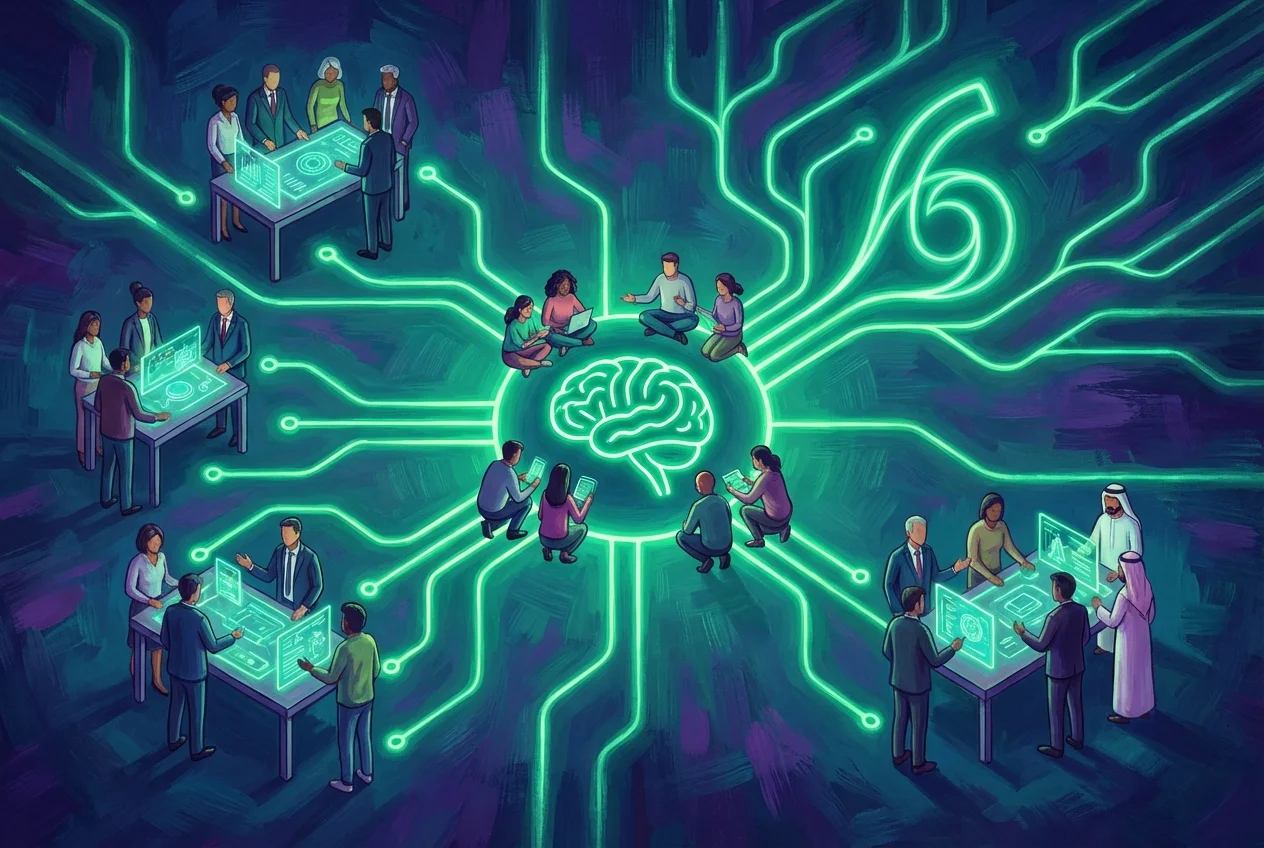
The following six leadership careers represent areas where human capabilities are not just preferred but are absolutely essential for success. These are roles that demand a deep understanding of human psychology, robust interpersonal skills, and the capacity for strategic, ethical, and empathetic leadership. As you aim for these high-impact positions, platforms like CareerBoom.ai can be invaluable, helping you craft professional resumes and cover letters that articulate your unique human advantage and prepare you for interviews.
1. Head of Human Resources / Talent & Culture Lead
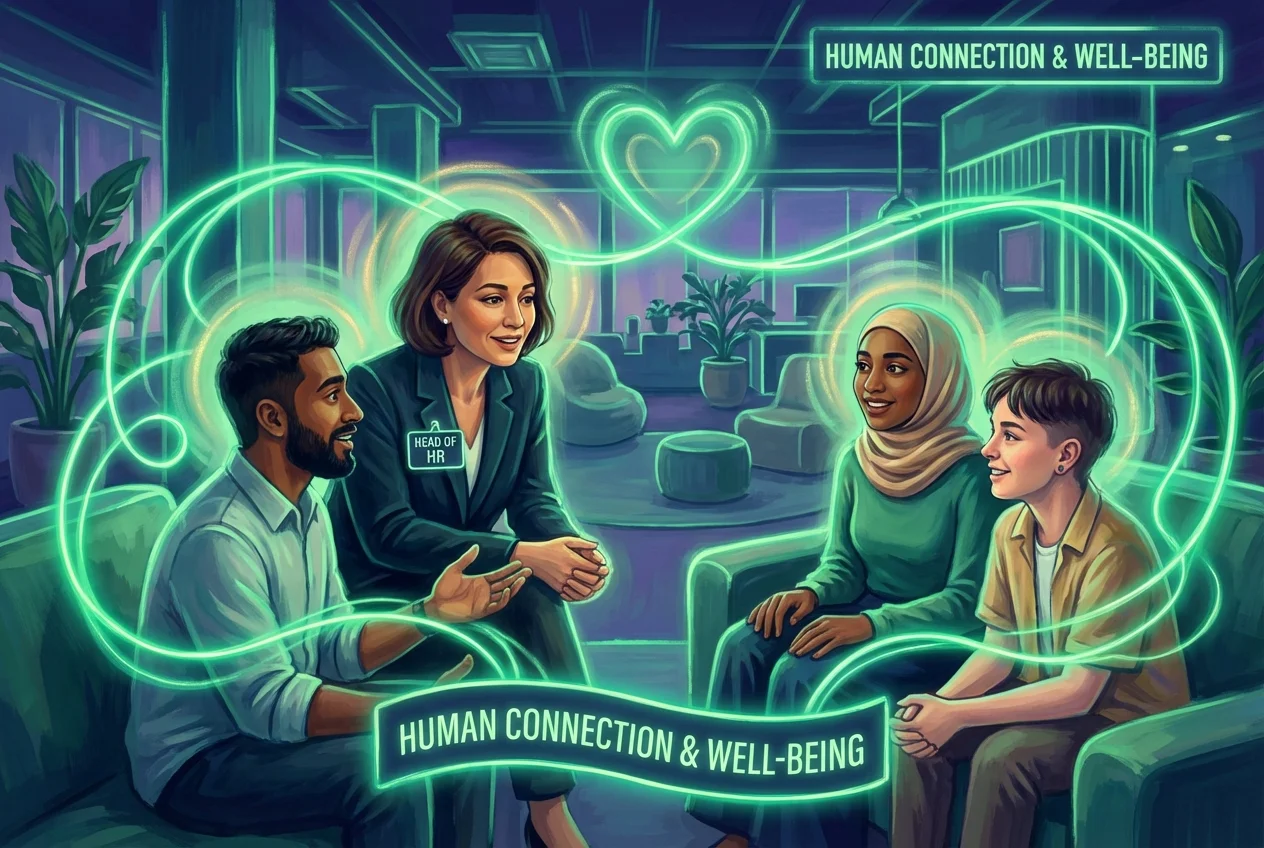
The HR function, particularly at a leadership level, is fundamentally about people. While AI can automate administrative HR tasks like payroll, scheduling, and initial resume screening, it cannot replicate the core functions of fostering a thriving workplace culture, mediating complex interpersonal conflicts, or truly understanding employee needs and aspirations.
Why it's AI-Proof: This role is deeply rooted in human influence and team building. A Head of HR or Talent & Culture Lead is responsible for designing and nurturing an environment where employees feel valued, supported, and motivated. This involves:
- Cultivating Company Culture: Defining and embedding organizational values, fostering psychological safety, and creating an inclusive environment. AI can track sentiment, but it cannot authentically build trust or shape the nuanced emotional landscape of a workplace.
- Conflict Resolution and Mediation: Navigating disagreements, addressing grievances, and mediating complex disputes requires empathy, active listening, and unbiased judgment – skills far beyond AI's current capabilities.
- Talent Strategy and Development: While AI can identify skill gaps and suggest training, a human leader designs comprehensive development pathways, coaches individuals, and strategizes for long-term talent retention based on deep personal understanding and career aspirations.
- Employee Advocacy and Well-being: Understanding the human impact of organizational decisions, advocating for employee needs, and promoting mental and physical well-being are inherently human responsibilities. Empathetic leaders are crucial for reducing employee anxiety and resistance in an AI-driven environment.
Key Human Skills Required:
- Emotional Intelligence: Essential for understanding employee sentiment, providing personalized support, and building rapport. Studies show that 92% of employees are more likely to stay at a company with empathetic leadership.
- Interpersonal Skills: Superior communication, active listening, negotiation, and persuasion are vital for effective interactions with employees, management, and external partners.
- Empathy and Compassion: The ability to genuinely connect with individuals, understand their perspectives, and respond with care, especially during challenging times.
- Ethical Judgment: Ensuring fairness, preventing bias in HR processes, and making decisions that uphold human dignity and organizational values.
- Strategic Vision: Translating business goals into human capital strategies, foreseeing future talent needs, and championing diversity and inclusion.
How to Excel: Focus on developing your interpersonal skills through active listening training, conflict resolution workshops, and mentorship. Seek opportunities to lead team building initiatives that foster connection and trust. Cultivate a reputation as an empathetic leader who genuinely cares about people, as this is where your human influence will be most profound. Invest in understanding the ethical implications of AI in HR to ensure responsible implementation.
2. Chief Marketing Officer (CMO) / Brand & Communications Director
Marketing is increasingly data-driven, with AI excelling at audience segmentation, predictive analytics, and content optimization. However, the essence of marketing – creating emotional connections, crafting compelling narratives, and understanding the complex nuances of human desire and culture – remains firmly in the human domain.
Why it's AI-Proof: This leadership career is fundamentally about human influence and creativity.
- Brand Storytelling and Emotional Connection: AI can generate content, but it cannot conceptualize and weave together a brand story that resonates deeply with human emotions and aspirations. Building a brand identity that evokes loyalty and trust requires a profound understanding of human psychology and cultural trends.
- Creative Strategy and Innovation: Developing groundbreaking campaigns, identifying nascent market opportunities, and predicting shifts in consumer sentiment often requires leaps of creative intuition and divergent thinking that AI cannot replicate.
- Crisis Communication and Reputation Management: Navigating public relations crises requires nuanced judgment, empathetic communication, and the ability to adapt messaging in real-time based on public sentiment – a human leader's touch is critical.
- Cultural Nuance and Global Messaging: Understanding diverse cultural contexts, local sensitivities, and how to adapt global brand messages for specific markets requires human insight and lived experience.
Key Human Skills Required:
- Creativity and Innovation: The ability to generate novel ideas, challenge conventional thinking, and inspire teams to push creative boundaries.
- Strategic Thinking: Developing long-term marketing visions that align with business objectives, market dynamics, and consumer behavior.
- Empathy and Consumer Insight: Deeply understanding target audiences, their needs, desires, and pain points, to create truly impactful campaigns.
- Communication and Persuasion: Articulating vision, inspiring creative teams, and influencing stakeholders and consumers through compelling narratives.
- Adaptability: Responding to rapidly changing market conditions, consumer trends, and technological advancements with agility.
How to Excel: Hone your storytelling abilities and foster a culture of creative experimentation within your teams. Stay deeply connected to consumer trends and cultural shifts, not just through data, but through genuine observation and interaction. Develop your interpersonal skills to inspire and guide diverse creative talent. Your human influence in shaping brand perception and market direction will be irreplaceable.
3. Head of Innovation / R&D Director
Innovation is the lifeblood of progress, and while AI can accelerate research, analyze data for potential breakthroughs, and even generate design variations, the initial spark of an idea, the ability to connect disparate concepts, and the leadership required to foster a culture of audacious experimentation are uniquely human.
Why it's AI-Proof: This management job thrives on creativity, vision, and human influence.
- Visionary Leadership and Idea Generation: Human leaders define the strategic direction for innovation, identifying unmet needs and envisioning future possibilities that AI cannot conceptualize on its own.
- Fostering a Culture of Experimentation: Creating an environment where failure is seen as a learning opportunity, where risk-taking is encouraged, and where diverse ideas can flourish requires human leadership.
- Interdisciplinary Collaboration: Innovation often arises from bringing together diverse perspectives and expertise. A human leader facilitates these connections, mediates different viewpoints, and builds cohesive team building around complex problem-solving.
- Navigating Ambiguity and Uncertainty: The innovation process is inherently uncertain. Leaders must guide teams through unknowns, make intuitive judgments when data is scarce, and maintain morale through setbacks.
Key Human Skills Required:
- Creative Problem-Solving: The ability to think outside the box, challenge assumptions, and generate novel solutions to complex, ill-defined problems.
- Strategic Foresight: Anticipating future trends, technological shifts, and market needs to guide research and development efforts.
- Inspiration and Motivation: Igniting passion in R&D teams, celebrating small wins, and maintaining momentum through long development cycles.
- Collaboration and Networking: Building diverse networks, both internal and external, to spark new ideas and partnerships.
- Resilience and Adaptability: Guiding teams through iterative processes, embracing setbacks, and pivoting strategies as new information emerges.
How to Excel: Actively cultivate a curious mindset and encourage divergent thinking within your teams. Seek out diverse perspectives and create platforms for cross-functional team building and knowledge sharing. Develop your interpersonal skills to inspire and empower your researchers and innovators, allowing your human influence to drive breakthrough ideas.
4. Organizational Development & Change Management Lead
Implementing significant organizational change is rarely a purely logical process; it's a deeply human one, often met with resistance, anxiety, and a need for empathetic guidance. While AI can analyze organizational data, predict resistance points, and even suggest communication strategies, it cannot lead the emotional journey of transformation.
Why it's AI-Proof: This management job is all about guiding human influence through periods of significant transition.
- Understanding Human Dynamics: Change leaders must diagnose the root causes of resistance, understand individual and group psychology, and tailor strategies to address concerns and build buy-in.
- Facilitating Difficult Conversations: Leading workshops, mediating stakeholder disagreements, and having sensitive conversations about job roles or organizational structure requires profound interpersonal skills and emotional intelligence.
- Building Consensus and Trust: Successfully navigating change requires building trust across all levels of an organization, fostering open communication, and aligning diverse groups around a shared future. Trust in managers plummeted from 46% to 29% between 2022 and 2024, highlighting an urgent need for leaders to rebuild confidence.
- Coaching and Support: Providing personalized coaching and support to employees and leaders impacted by change, helping them develop new skills and adapt to new ways of working.
Key Human Skills Required:
- Emotional Intelligence and Empathy: Crucial for recognizing and addressing the emotional responses to change, managing anxiety, and fostering psychological safety. People managers say emotional intelligence is most important when leading teams through times of change (44%).
- Communication and Influence: Clearly articulating the vision for change, managing expectations, and inspiring commitment through compelling and transparent communication.
- Negotiation and Conflict Resolution: Mediating between conflicting interests and building bridges between different departments or employee groups.
- Strategic Planning and Execution: Developing comprehensive change strategies, identifying key milestones, and ensuring effective implementation while remaining adaptable.
- Coaching and Mentoring: Guiding individuals and teams through new learning curves and helping them embrace new roles and processes.
How to Excel: Develop your interpersonal skills to become an expert facilitator and communicator. Seek training in conflict resolution and negotiation. Practice empathy consistently, understanding that change impacts people differently. Your human influence in guiding organizational transitions will be invaluable, making this one of the most resilient management jobs.
5. Executive Leadership Coach / Mentorship Program Director
The deeply personal and transformative nature of executive coaching and mentorship makes it inherently human. While AI can offer personalized learning pathways and feedback based on behavioral patterns, it cannot replicate the trust, nuanced understanding, and intuitive guidance that a human coach provides.
Why it's AI-Proof: This leadership career is built on profound interpersonal skills and human influence.
- Building Trust and Rapport: The foundation of effective coaching is a trusting relationship. This requires genuine human connection, confidentiality, and the ability to create a safe space for vulnerability and growth.
- Deep Self-Awareness and Reflection: Coaches help leaders uncover blind spots, challenge assumptions, and develop deeper self-awareness. This process requires intuitive questioning, empathetic listening, and the ability to interpret subtle cues.
- Tailored Guidance for Complex Challenges: Leaders often face unique, complex, and emotionally charged dilemmas. A human coach provides bespoke advice, drawing on personal experience, intuition, and a holistic understanding of the individual and their context.
- Inspiration and Accountability: While AI can track goals, a human coach provides the motivation, encouragement, and accountability that drives sustained behavioral change and personal growth.
Key Human Skills Required:
- Active Listening and Questioning: The ability to listen deeply, hear what is unsaid, and ask powerful questions that provoke insight and self-reflection.
- Empathy and Non-Judgment: Creating a supportive environment where individuals feel understood and accepted, fostering psychological safety.
- Intuition and Pattern Recognition (Human): Recognizing underlying patterns in behavior, thought, and emotion that might not be evident from data alone.
- Confidentiality and Integrity: Upholding strict ethical standards and maintaining trust is paramount.
- Motivational and Inspirational Communication: Empowering individuals to achieve their full potential and navigate challenges with confidence.
How to Excel: Invest heavily in developing your interpersonal skills through advanced coaching certifications and continuous personal development. Practice deep empathy and cultivate your intuitive judgment. Your ability to build genuine relationships and exert positive human influence on individual leaders will secure your place in this vital leadership career.
6. Ethical Leadership & AI Governance Specialist
As AI becomes more integrated into every aspect of business and society, the need for leaders who can ensure its responsible, fair, and transparent use is paramount. This role is not just about understanding technology; it's about applying profound human judgment to complex ethical dilemmas.
Why it's AI-Proof: This emergent leadership career is intrinsically tied to moral judgment and human influence.
- Defining Ethical Frameworks: Establishing the ethical principles, values, and guidelines that govern the development and deployment of AI within an organization. This requires philosophical understanding, societal awareness, and a commitment to human dignity.
- Identifying and Mitigating Bias: AI systems can perpetuate biases present in their training data. A human leader is required to scrutinize algorithms, assess societal impact, and implement strategies to ensure fairness and prevent discrimination.
- Ensuring Transparency and Accountability: Many AI systems operate as "black boxes." Ethical leaders must push for explainability, ensuring that AI-driven decisions can be understood, justified, and challenged, with clear lines of human accountability.
- Navigating Unforeseen Consequences: AI's rapid evolution often leads to unforeseen ethical dilemmas. This role requires proactive foresight, continuous monitoring, and the human judgment to adapt strategies when unintended negative consequences emerge.
- Balancing Innovation with Human Values: This leader must champion innovation while ensuring that technological advancements align with the organization's ethical compass and broader societal well-being.
Key Human Skills Required:
- Ethical Reasoning and Moral Judgment: The ability to analyze complex ethical dilemmas, apply philosophical principles, and make decisions that prioritize fairness, human dignity, and societal good.
- Critical Thinking and Analytical Skills: Deconstructing AI systems, identifying potential biases, and evaluating the societal impact of technological choices.
- Stakeholder Engagement and Communication: Building consensus among diverse groups (engineers, legal, public, executives) and communicating complex ethical issues clearly and persuasively.
- Proactive Foresight and Risk Management: Anticipating future ethical challenges, understanding regulatory landscapes, and developing robust governance frameworks.
- Integrity and Courage: Upholding ethical principles even when faced with pressure to compromise for efficiency or profit.
How to Excel: Develop a strong foundation in ethics, philosophy, and critical thinking. Stay abreast of AI advancements and their potential societal implications. Cultivate your interpersonal skills to lead cross-functional teams in developing and implementing AI governance. Your human influence in ensuring AI is a force for good will be critical for the future of business.
Cultivating Your AI-Proof Leadership Skills
The future of leadership careers isn't about competing with AI; it's about complementing it. To secure your place in these indispensable management jobs, you must intentionally cultivate the uniquely human skills that machines cannot replicate, as mastering these human skills is essential for leaders to leverage AI effectively. Leveraging tools like CareerBoom.ai can also streamline your job search and ensure your application materials effectively highlight these irreplaceable human competencies.
Here's a roadmap for development:
-
Prioritize Emotional Intelligence (EQ):
- Self-Awareness: Practice mindfulness and reflection to understand your own emotions, strengths, and weaknesses.
- Self-Regulation: Learn to manage your reactions, especially under pressure. Techniques like deep breathing and pausing before responding can be very effective.
- Social Awareness (Empathy): Actively listen to others, observe non-verbal cues, and try to understand different perspectives. Seek feedback on how well you connect with others.
- Relationship Management: Focus on building genuine rapport, resolving conflicts constructively, and inspiring collaboration. Participate in team building activities to hone these skills.
- Statistic: 90% of top performers in the workplace have high emotional intelligence. Demand for emotional skills is projected to grow by 26% by 2030.
-
Enhance Interpersonal and Communication Skills:
- Active Listening: Practice truly hearing and understanding others, rather than just waiting to speak.
- Clear and Empathetic Communication: Tailor your message to your audience, considering their emotional state and understanding. Transparency and strong communication are top valued leadership traits.
- Feedback and Coaching: Develop your ability to give constructive feedback and mentor others effectively.
- Negotiation and Persuasion: Practice influencing others through logic, empathy, and building common ground.
- Tip: Seek out opportunities to lead diverse team building exercises. These are excellent training grounds for improving communication and collaboration.
-
Develop Critical and Ethical Judgment:
- Challenge Assumptions: Actively question your own biases and seek diverse viewpoints before making decisions.
- Ethical Frameworks: Familiarize yourself with ethical decision-making models and apply them to real-world scenarios.
- Contextual Understanding: Look beyond the data to understand the broader human and societal implications of decisions.
- Moral Courage: Be prepared to uphold ethical principles even when it's difficult or unpopular.
- Statistic: Ethical judgment is a key trait for effective leadership, essential for building trust and driving sustainable success.
-
Foster Creativity and Visionary Thinking:
- Curiosity: Remain open to new ideas, explore different fields, and connect seemingly unrelated concepts.
- Experimentation: Embrace a mindset of testing, learning from failure, and iterating.
- Strategic Foresight: Read widely, analyze trends, and engage in scenario planning to anticipate future challenges and opportunities.
- Tip: Encourage brainstorming sessions that prioritize quantity over quality initially, then refine ideas collectively.
-
Cultivate Adaptability and Resilience:
- Embrace Lifelong Learning: Stay curious about new technologies and methodologies, especially AI.
- Stress Management: Develop techniques to remain calm and focused under pressure.
- Growth Mindset: View challenges as opportunities for learning and development, rather than insurmountable obstacles.
- Statistic: Resilience and adaptability are considered vital leadership qualities by 76% of employees.
-
Champion Human-AI Collaboration:
- AI Literacy: Understand AI's capabilities and limitations, not to become a data scientist, but to know how to leverage AI tools effectively to augment your human strengths.
- Ethical AI Use: Advocate for responsible AI deployment within your organization, ensuring fairness, transparency, and accountability.
- Focus on the "Why": Use AI for "how" (efficiency, data analysis), but always ensure the "why" (purpose, values, human impact) is driven by human leadership.
By focusing on these areas, you not only make yourself AI-proof but also position yourself as a highly effective and sought-after leader in any future landscape.
Conclusion: Command Your Future with Uniquely Human Leadership
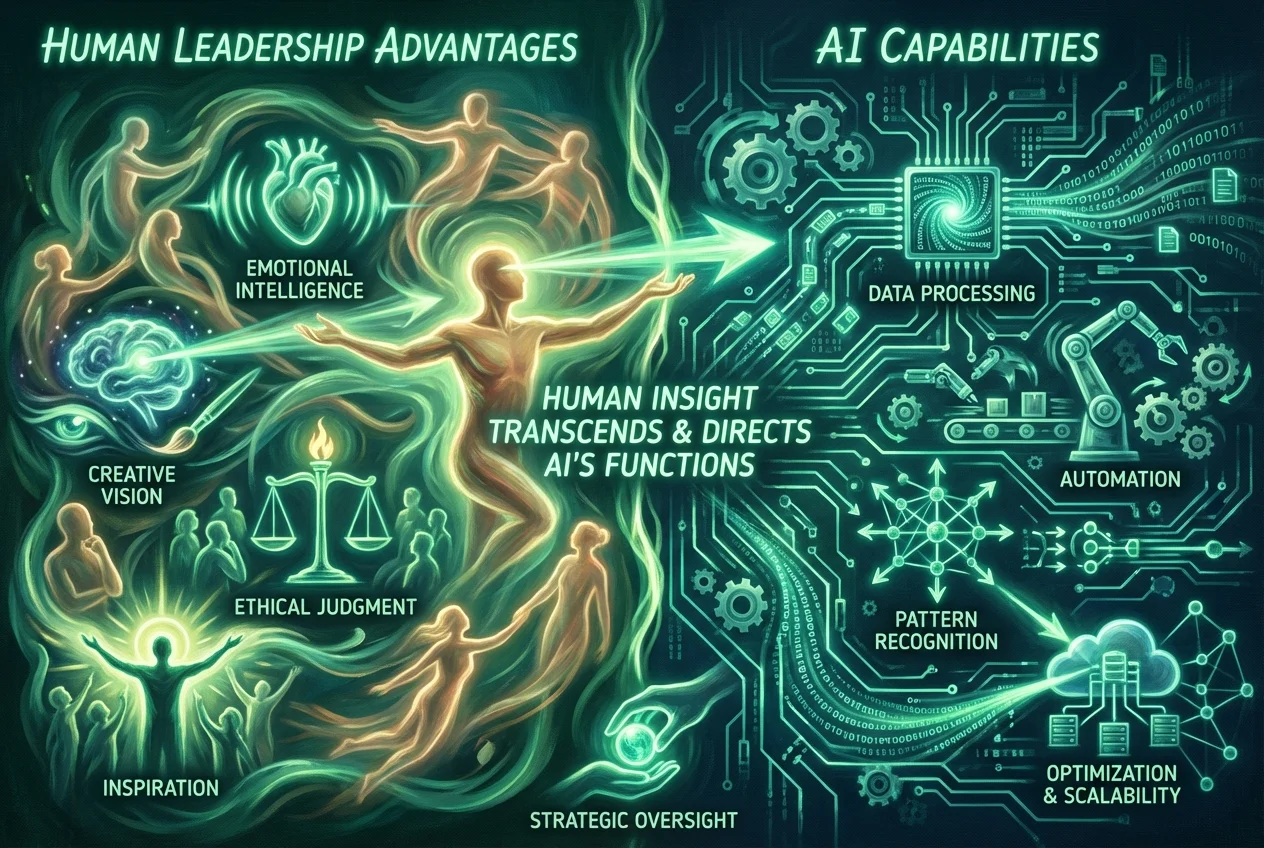 The rise of artificial intelligence marks a pivotal moment in the evolution of work. While AI promises unprecedented efficiencies and insights, it simultaneously underscores the irreplaceable value of human leadership. AI can process data, automate tasks, and even offer predictive analytics, but it cannot authentically lead a team, inspire change, mediate complex human dynamics, or exercise moral judgment. These are the cornerstones of effective leadership, and they remain firmly within the human domain.
The six leadership careers we've explored – Head of Human Resources, Chief Marketing Officer, Head of Innovation, Organizational Development & Change Management Lead, Executive Leadership Coach, and Ethical Leadership & AI Governance Specialist – are not just surviving the AI revolution; they are thriving because they demand the very essence of what it means to be human. They require deep interpersonal skills, profound emotional intelligence, the ability to foster genuine team building, and the powerful force of human influence to guide, inspire, and connect.
As leaders, our future is not about fearing the machines, but about mastering the uniquely human capabilities that give technology purpose and direction. It's about consciously cultivating empathy, creativity, ethical reasoning, and the ability to build trust and inspire hope. By doing so, you will not only secure your own professional path but also shape a future where technology amplifies human potential, creating workplaces that are not only efficient but also compassionate, innovative, and equitable.
Your AI-proof advantage lies within you. Embrace it, cultivate it, and command your future as an indispensable human leader in an AI-driven world.
Frequently Asked Questions
Quick answers to common questions
1
Will AI replace human leadership roles?
No, AI will not replace human leadership. While AI excels at automating tasks and providing data insights, it fundamentally lacks the emotional intelligence, ethical judgment, and creative vision essential for true leadership. AI serves as a powerful tool to augment human leaders, not substitute them.
2
What human skills make leadership roles AI-proof?
Key AI-proof leadership skills include:
- Emotional Intelligence (EQ): For empathy, trust, and team connection.
- Complex Decision-Making & Intuition: For ambiguous, high-stakes situations.
- Creativity & Vision: For innovation and strategic direction.
- Ethical Judgment: For responsible, fair, and accountable decisions.
- Inspiration & Team Building: For motivation, cohesion, and loyalty. These uniquely human attributes ensure leaders remain indispensable.
3
Why is HR leadership considered an AI-proof career?
HR leadership, particularly at a senior level, is AI-proof because it's deeply rooted in human influence and team building. Leaders in this role cultivate company culture, mediate complex conflicts, strategize talent development, and advocate for employee well-being—tasks requiring profound empathy, active listening, and ethical judgment that AI cannot replicate.
4
How does a Chief Marketing Officer (CMO) remain AI-proof?
A CMO remains AI-proof by focusing on human influence and creativity. They conceptualize and weave together brand stories that resonate deeply with human emotions, develop groundbreaking campaigns, manage crisis communications with nuanced judgment, and understand cultural subtleties—tasks requiring profound human insight beyond AI's current capabilities.
5
How can I develop skills for AI-proof leadership roles?
To develop AI-proof skills, focus on enhancing your:
- Interpersonal skills: Active listening, negotiation, persuasive communication.
- Emotional intelligence: Empathy, self-awareness, emotional regulation.
- Ethical judgment: Understanding responsible AI use and moral reasoning.
- Creativity & strategic foresight: Fostering innovation and visionary thinking.
- Team building: Leading initiatives that foster connection and trust. These amplify your human influence.
6
What new leadership roles are emerging due to AI's integration?
An important emerging leadership role is the Ethical Leadership & AI Governance Specialist. This position requires profound human judgment to establish ethical AI frameworks, identify and mitigate bias, ensure transparency and accountability, and balance technological innovation with human values and societal well-being. It's intrinsically tied to moral judgment and human influence.
Was this article helpful?
Table of Contents
The Indispensable Human Touch: Why Your Leadership Is More Critical Than Ever
Your AI-Proof Advantage: 6 Leadership Roles That Need YOU, Not Bots
Cultivating Your AI-Proof Leadership Skills
Conclusion: Command Your Future with Uniquely Human Leadership
1Will AI replace human leadership roles?
2What human skills make leadership roles AI-proof?
3Why is HR leadership considered an AI-proof career?
4How does a Chief Marketing Officer (CMO) remain AI-proof?
5How can I develop skills for AI-proof leadership roles?
6What new leadership roles are emerging due to AI's integration?
Share this article
Other articles

Robot-Proof Your Paycheck: Essential Skills for the AI Era
Learn which hands-on, interpersonal, and critical thinking skills will keep you indispensable as AI advances.

Why You're NOT Getting Promoted: 5 Critical Mistakes Silencing Your Career Growth
Stop sabotaging your career! Identify and eliminate the common pitfalls that are holding you back from leadership roles and significant pay raises.
How to Skyrocket Your Career: 5 Secrets Nobody Tells You
Uncover the hidden strategies to accelerate your professional growth and unlock rapid promotions in any industry, even if you feel stuck.