नौकरी के साक्षात्कार के 30 सबसे सामान्य प्रश्न और उनके सर्वश्रेष्ठ उत्तर
सबसे सामान्य प्रश्नों और उनके प्रभावी उत्तर देने के तरीके के बारे में इस व्यापक मार्गदर्शिका के साथ अपने अगले साक्षात्कार में महारत हासिल करें।
8 months ago

नौकरी के साक्षात्कार आपके करियर की यात्रा में महत्वपूर्ण क्षण होते हैं। सोसाइटी फॉर ह्यूमन रिसोर्स मैनेजमेंट (SHRM) के अनुसार, 82% रिक्रूटर्स का मानना है कि जो उम्मीदवार शोध करते हैं और सामान्य प्रश्नों के उत्तर देने का अभ्यास करते हैं, वे काफी बेहतर प्रभाव डालते हैं। उत्साहजनक खबर? साक्षात्कार विशेषज्ञों की रिपोर्ट है कि 85% साक्षात्कार प्रश्न पूरी तरह से अनुमानित होते हैं—इसका मतलब है कि तैयारी आपका सबसे बड़ा प्रतिस्पर्धी लाभ है।
नौकरी के साक्षात्कार में जाना घबराहट पैदा करने वाला हो सकता है, लेकिन आत्मविश्वास का रहस्य गहन तैयारी है। हालांकि हर साक्षात्कार अद्वितीय होता है, कई रिक्रूटर्स उम्मीदवारों का मूल्यांकन करने के लिए प्रश्नों के एक मुख्य सेट पर भरोसा करते हैं। इन सामान्य प्रश्नों की तैयारी करके, आप अपने कौशल, अनुभव और क्षमता को अधिक प्रभावी ढंग से व्यक्त कर सकते हैं। (यदि आपका साक्षात्कार ऑनलाइन है, तो यह सुनिश्चित करने के लिए कि आपका सेटअप सही है, हमारा ज़ूम साक्षात्कार गाइड देखना न भूलें।)
यह व्यापक मार्गदर्शिका नौकरी के साक्षात्कार के शीर्ष 30 सबसे सामान्य प्रश्नों को कवर करती है, उनका उत्तर देने के लिए विशेषज्ञ-समर्थित रणनीतियाँ (STAR पद्धति सहित) प्रदान करती है, और आपको अलग दिखने में मदद करने के लिए विस्तृत नमूना उत्तर प्रदान करती है। चाहे आप पहली बार नौकरी की तलाश कर रहे हों या एक अनुभवी पेशेवर हों, यह संसाधन आपको आत्मविश्वास के साथ अपने अगले साक्षात्कार में जाने में मदद करेगा।
💡 तैयारी क्यों महत्वपूर्ण है
हालिया शोध से पता चलता है कि 81% उम्मीदवार अधिक आत्मविश्वास महसूस करते हैं जब वे पहले से सामान्य साक्षात्कार प्रश्नों के उत्तर देने का अभ्यास करते हैं। यह आत्मविश्वास सीधे बेहतर प्रदर्शन में बदल जाता है। सबसे सफल उम्मीदवार साक्षात्कार की तैयारी को किसी भी अन्य महत्वपूर्ण प्रोजेक्ट की तरह मानते हैं—एक संरचित योजना, समर्पित अभ्यास समय और ईमानदार आत्म-चिंतन के साथ।
⭐ STAR पद्धति: आपका गुप्त हथियार

प्रश्नों में गोता लगाने से पहले, STAR पद्धति को समझना महत्वपूर्ण है। यह व्यावहारिक साक्षात्कार प्रश्नों का उत्तर देने के लिए उद्योग-मानक ढांचा है—वे प्रश्न जो "मुझे उस समय के बारे में बताएं जब..." या "मुझे एक उदाहरण दें कि..." से शुरू होते हैं।
- S - स्थिति (Situation): 📍 संक्षेप में उस संदर्भ या चुनौती का वर्णन करें जिसका आपने सामना किया
- T - कार्य (Task): 🎯 उस स्थिति में अपनी भूमिका या जिम्मेदारी समझाएं
- A - कार्रवाई (Action): 🚀 उन विशिष्ट चरणों का विवरण दें जो आपने उठाए ( "मैं" कथनों का उपयोग करें, "हम" का नहीं)
- R - परिणाम (Result): 📊 मापने योग्य परिणाम और आपने क्या सीखा, साझा करें
इस संरचना का उपयोग यह सुनिश्चित करता है कि आपके उत्तर संक्षिप्त, केंद्रित और प्रभावशाली हों। यह ढांचा अस्पष्ट उत्तरों को सम्मोहक, यादगार कहानियों में बदल देता है जो आपकी योग्यता और मूल्य का प्रदर्शन करती हैं।
📋 भाग 1: बुनियादी साक्षात्कार प्रश्न
ये प्रश्न बर्फ तोड़ने और आप कौन हैं और आप यहाँ क्यों हैं, इसका एक सामान्य अवलोकन प्राप्त करने के लिए डिज़ाइन किए गए हैं। वे आपके आत्मविश्वास, संचार स्पष्टता और जानकारी को प्राथमिकता देने की क्षमता का आकलन करते हैं।
1️⃣ मुझे अपने बारे में बताएं।
❓ नियोक्ता क्या जानना चाहते हैं: आपका साक्षात्कारकर्ता आपके जीवन की कहानी नहीं ढूंढ रहा है। वे यह समझना चाहते हैं कि आपका अनुभव, कौशल और महत्वाकांक्षाएं इस भूमिका के साथ कैसे मेल खाती हैं। वे आपके आत्मविश्वास, संचार स्पष्टता और जानकारी को प्राथमिकता देने की क्षमता का भी आकलन कर रहे हैं।
अपने व्यक्तित्व और शक्तियों को स्पष्ट करने में मदद के लिए, हमारी स्वयं का वर्णन करने के लिए शब्द की सूची देखें।
💬 उत्तर कैसे दें: इसे पेशेवर रखें, व्यक्तिगत नहीं। अपनी प्रतिक्रिया को तीन भागों में संरचित करें:
- वर्तमान 🎯: आपकी वर्तमान भूमिका और विशेषज्ञता (1-2 वाक्य)
- अतीत 📚: एक या दो प्रासंगिक उपलब्धियां या अनुभव (1-2 वाक्य)
- भविष्य 🚀: आप इस विशिष्ट भूमिका के बारे में क्यों उत्साहित हैं (1-2 वाक्य)
⏱️ अपना उत्तर 1-2 मिनट के बीच रखें। यह पूछकर समाप्त करें कि क्या वे चाहेंगे कि आप किसी चीज़ पर विस्तार से बताएं।
✨ नमूना उत्तर:
"मैं एक डिजिटल मार्केटिंग मैनेजर हूँ जिसके पास SEO और कंटेंट रणनीति में विशेषज्ञता के साथ पांच साल से अधिक का अनुभव है। वर्तमान में, मैं TechCorp में चार लोगों की एक टीम का नेतृत्व करता हूँ, जहाँ हमने पिछले साल ऑर्गेनिक ट्रैफ़िक में 40% की वृद्धि की और $200,000 का नया राजस्व उत्पन्न किया। मैं हमेशा डेटा-संचालित मार्केटिंग के बारे में भावुक रहा हूँ, और मैं इस भूमिका के बारे में उत्साहित हूँ क्योंकि AI-संचालित मार्केटिंग के प्रति आपकी कंपनी का अभिनव दृष्टिकोण पूरी तरह से उस दिशा के साथ मेल खाता है जहाँ मैं अपना करियर ले जाना चाहता हूँ।"
❌ बचने वाली सामान्य गलतियाँ:
- 2 मिनट से अधिक समय लेना या अपने पूरे बायोडाटा को दोहराना
- नौकरी-विशिष्ट विवरणों के बिना बहुत सामान्य होना
- भूमिका से असंबंधित व्यक्तिगत हितों के बारे में बात करना
- बचपन की कहानियों या अप्रासंगिक पृष्ठभूमि के साथ शुरू करना
2️⃣ आप यहाँ काम क्यों करना चाहते हैं?
❓ नियोक्ता क्या जानना चाहते हैं: यही वह जगह है जहाँ आप अपनी उपयुक्तता प्रदर्शित करते हैं। वे यह समझना चाहते हैं कि आपको कंपनी की ओर किस चीज़ ने आकर्षित किया और क्या आपकी प्रेरणाएँ उनकी ज़रूरतों के साथ मेल खाती हैं। क्या आप किसी चीज़ की ओर भाग रहे हैं, या किसी और चीज़ से दूर भाग रहे हैं?
💬 उत्तर कैसे दें: दिखाएँ कि आपने अपना शोध किया है। अपने व्यक्तिगत लक्ष्यों को कंपनी के मिशन के साथ जोड़ें। पहले नियोक्ता की ज़रूरतों पर ध्यान दें, फिर उन्हें अपनी आकांक्षाओं से जोड़ें। अपने शोध से कुछ विशिष्ट संदर्भ दें जो आपको उत्साहित करता हो।
✨ नमूना उत्तर:
"मैंने वर्षों से टिकाऊ ऊर्जा के प्रति आपकी कंपनी के अभिनव दृष्टिकोण का अनुसरण किया है। मैं कार्बन पदचिह्न को कम करने के प्रति आपकी प्रतिबद्धता की प्रशंसा करता हूँ, विशेष रूप से कार्बन-तटस्थ आपूर्ति श्रृंखला समाधानों के आपके हालिया लॉन्च की। मैंने यह भी देखा कि आप यूरोपीय बाजारों में विस्तार कर रहे हैं, जो वहाँ के नियामक परिदृश्य को देखते हुए रोमांचक है। जो चीज़ वास्तव में मेरे साथ मेल खाती है वह नवाचार और कर्मचारी विकास की आपकी कंपनी संस्कृति है। मैं केवल किसी भी नौकरी की तलाश में नहीं हूँ; मैं उन लोगों के साथ कुछ सार्थक योगदान देना चाहता हूँ जिनका मैं सम्मान करता हूँ।"
❌ बचने वाली सामान्य गलतियाँ:
- केवल वेतन, लाभ या स्थान का उल्लेख करना
- ऐसे उत्तर देना जो किसी भी कंपनी पर लागू हो सकते हैं
- कंपनी के होमपेज से आगे शोध न करना
- अपने वर्तमान नियोक्ता की बुराई करना
3️⃣ आपकी सबसे बड़ी ताकत क्या है?
❓ नियोक्ता क्या जानना चाहते हैं: वे यह समझना चाहते हैं कि आप वास्तव में किस चीज़ में अच्छे हैं और क्या वे ताकतें उस चीज़ के साथ मेल खाती हैं जिसकी नौकरी के लिए आवश्यकता है। वे सबूत ढूंढ रहे हैं, खाली दावे नहीं।
💬 उत्तर कैसे दें: नौकरी के विवरण से सीधे संबंधित 2-3 ताकतें चुनें। प्रत्येक के लिए, एक विशिष्ट स्थिति प्रदान करें जहाँ आपने उस ताकत का प्रदर्शन किया और प्रभाव को मापें। ठोस उदाहरणों का उपयोग करें, सामान्यीकरण का नहीं।
✨ नमूना उत्तर:
"मेरी सबसे बड़ी ताकत विश्लेषणात्मक समस्या-समाधान है। जब मैं किसी चुनौती का सामना करता हूँ, तो मैं उसे तोड़ देता हूँ, डेटा इकट्ठा करता हूँ और साक्ष्य-आधारित समाधान विकसित करता हूँ। अपनी पिछली भूमिका में, मैंने अपनी आपूर्ति श्रृंखला में एक अड़चन की पहचान की थी जो शिपमेंट में देरी कर रही थी। मैंने उपयोग के पैटर्न और वर्कफ़्लो डेटा का विश्लेषण किया, जिससे हमारे ट्रैकिंग सिस्टम में अक्षमताओं का पता चला। मैंने एक नया सिस्टम लागू किया जिसने देरी को 20% कम कर दिया और सालाना लगभग $50,000 की बचत की। मेरी दूसरी ताकत क्रॉस-फंक्शनल सहयोग है—मैं साझा लक्ष्यों को प्राप्त करने के लिए विभिन्न टीमों को एक साथ लाने में उत्कृष्टता प्राप्त करता हूँ।"
❌ बचने वाली सामान्य गलतियाँ:
- सामान्य ताकतें जो किसी पर भी लागू हो सकती हैं ("टीम प्लेयर," "मेहनती")
- विशिष्ट नौकरी के लिए अप्रासंगिक ताकतें
- सहायक उदाहरणों या सबूतों के बिना दावे
- बिना सार के घिसे-पिटे शब्दों का उपयोग करना
4️⃣ आपकी सबसे बड़ी कमजोरी क्या है?
❓ नियोक्ता क्या जानना चाहते हैं: वे आपकी आत्म-जागरूकता और ईमानदारी का आकलन करना चाहते हैं। जो कोई भी कमजोरी न होने का दावा करता है वह अविश्वसनीय है। वे यह जाँच रहे हैं कि क्या आपकी कमजोरियाँ नौकरी करने की आपकी क्षमता को वास्तव में प्रभावित करेंगी या वे ऐसे क्षेत्र हैं जिन्हें आप सक्रिय रूप से सुधार रहे हैं।
💬 उत्तर कैसे दें: ईमानदार रहें लेकिन एक ऐसी वास्तविक कमजोरी चुनें जो भूमिका के लिए महत्वपूर्ण नहीं है। फिर वर्णन करें कि आप इसे दूर करने के लिए सक्रिय रूप से कैसे काम कर रहे हैं। कुंजी विकास की मानसिकता और आत्म-जागरूकता दिखाना है। "मैं बहुत अधिक काम करता हूँ" या "मैं पूर्णतावादी हूँ" जैसे घिसे-पिटे जवाबों से बचें।
✨ नमूना उत्तर:
"ऐतिहासिक रूप से मैंने सार्वजनिक बोलने (public speaking) के साथ संघर्ष किया है। मैं बड़े समूहों के सामने प्रस्तुति देने में घबरा जाता था, जिससे हितधारकों को प्रभावित करने की मेरी क्षमता सीमित हो जाती थी। लेकिन मैंने पहचाना कि यह मुझे पीछे खींच रहा था, इसलिए मैंने एक प्रस्तुति कौशल पाठ्यक्रम लिया, पिछले साल एक स्थानीय टोस्टमास्टर्स क्लब में शामिल हुआ, और अधिक प्रस्तुति अवसरों के लिए स्वेच्छा से काम किया। मैंने हाल ही में सफलतापूर्वक दो टीम प्रस्तुतियाँ दी हैं, और हालाँकि यह अभी भी मेरा सबसे मजबूत कौशल नहीं है, मैंने इसे एक कमी से ऐसी चीज़ में बदल दिया है जिसे करने में मैं वास्तव में आत्मविश्वास महसूस करता हूँ।"
❌ बचने वाली सामान्य गलतियाँ:
- झूठी विनम्रता ("मैं पूर्णतावादी हूँ" या "मैं बहुत अधिक परवाह करता हूँ")
- उस नौकरी के लिए महत्वपूर्ण कमजोरियों को चुनना जिसके लिए आप आवेदन कर रहे हैं
- यह कहना कि आपकी कोई कमजोरी नहीं है
- आप सक्रिय रूप से कैसे सुधार कर रहे हैं, इसका उल्लेख न करना
- कमजोरी कितनी गंभीर है, इसे बढ़ा-चढ़ाकर बताना
5️⃣ आप अपने आप को पांच साल में कहाँ देखते हैं?
❓ नियोक्ता क्या जानना चाहते हैं: वे आपकी करियर आकांक्षाओं को समझना चाहते हैं और क्या वे विकास के उन अवसरों के साथ मेल खाती हैं जो वे प्रदान कर सकते हैं। वे यह भी देखना चाहते हैं कि क्या आप ऊब जाएंगे या जल्दी चले जाएंगे।
💬 उत्तर कैसे दें: व्यावसायिक विकास पर ध्यान दें जो कंपनी के साथ मेल खाता हो। उन आकांक्षाओं का वर्णन करें जो उनके संगठन के भीतर यथार्थवादी हों। दिखाएँ कि यह भूमिका आपके लक्ष्यों की ओर एक तार्किक कदम कैसे है।
✨ नमूना उत्तर:
"पांच वर्षों में, मुझे उम्मीद है कि मैंने इस भूमिका की जटिलताओं में महारत हासिल कर ली होगी और विभाग के भीतर अधिक नेतृत्व जिम्मेदारियाँ संभाल ली होंगी, आदर्श रूप से कनिष्ठ टीम के सदस्यों को सलाह देने में मदद कर रहा हूँगा। मैं इस क्षेत्र में अपनी विशेषज्ञता को गहरा करना चाहता हूँ और अंततः रणनीतिक निर्णय लेने में योगदान देना चाहता हूँ। यह भूमिका वास्तव में उस लक्ष्य की ओर एक बड़ा कदम है—यहाँ परिणाम देने और प्रतिभा विकसित करने की अपनी क्षमता साबित करके, मैं वरिष्ठ नेतृत्व के लिए तैयार हो जाऊँगा। मैं हमेशा के लिए किसी एक भूमिका में रहने की तलाश में नहीं हूँ, लेकिन मैं इस कंपनी के साथ दीर्घकालिक यात्रा के बारे में वास्तव में उत्साहित हूँ।"
❌ बचने वाली सामान्य गलतियाँ:
- भूमिका से पूरी तरह से असंबंधित लक्ष्यों का वर्णन करना
- यह सुझाव देना कि जैसे ही बेहतर अवसर मिलेगा आप चले जाएंगे
- अपनी आकांक्षाओं के बारे में बहुत अस्पष्ट होना
- इसे ऐसा बनाना जैसे कि यह भूमिका केवल एक अस्थायी पायदान है
6️⃣ हमें आपको क्यों नियुक्त करना चाहिए?
❓ नियोक्ता क्या जानना चाहते हैं: यह आपकी एलीवेटर पिच (elevator pitch) देने का अवसर है। वे आपकी विशिष्ट खूबियों का संक्षिप्त सारांश चाहते हैं और यह कि आप नौकरी के लिए सबसे अच्छे व्यक्ति क्यों हैं, न कि केवल एक योग्य उम्मीदवार।
💬 उत्तर कैसे दें: अपनी शीर्ष 2-3 योग्यताओं का सारांश दें और वे कंपनी की समस्याओं को सीधे कैसे हल करती हैं। यही वह जगह है जहाँ आपका सारा शोध काम आता है। अपने अंतरों को सीधे उनकी विशिष्ट ज़रूरतों से जोड़ें।
✨ नमूना उत्तर:
"आपको मुझे तीन प्रमुख कारणों से नियुक्त करना चाहिए। पहला, मेरे पास वही तकनीकी कौशल हैं जिनकी आपको आवश्यकता है—जीरा (Jira) और असाना (Asana) के साथ तीन साल का व्यावहारिक अनुभव, साथ ही हालिया PMP प्रमाणन, जिसका अर्थ है कि मैं बिना किसी रैंप-अप समय के आपकी टीम के वर्कफ़्लो को अनुकूलित करना तुरंत शुरू कर सकता हूँ। दूसरा, मैं प्रमाणित परिणाम लाता हूँ—अपनी वर्तमान भूमिका में, मैंने गुणवत्ता मेट्रिक्स में सुधार करते हुए प्रोजेक्ट डिलीवरी समय को 25% कम किया। तीसरा, और शायद सबसे महत्वपूर्ण, मैं आपके मिशन के बारे में वास्तव में भावुक हूँ। मैंने आपकी कंपनी पर व्यापक शोध किया है, और समस्या-समाधान के प्रति आपका दृष्टिकोण मेरे मूल्यों के साथ मेल खाता है। मैं केवल नौकरी की तलाश में नहीं हूँ; मैं उस चीज़ में योगदान देना चाहता हूँ जिसमें मैं विश्वास करता हूँ।"
❌ बचने वाली सामान्य गलतियाँ:
- अन्य उम्मीदवारों के प्रति अहंकारी या उपेक्षापूर्ण होना
- सहायक साक्ष्यों के बिना अस्पष्ट कथन
- बिना सार के अत्यधिक उपयोग किए गए घिसे-पिटे शब्दों ("भावुक," "टीम प्लेयर") का उपयोग करना
- अपनी शक्तियों को उनकी विशिष्ट ज़रूरतों से न जोड़ना
7️⃣ आपकी सबसे बड़ी व्यावसायिक उपलब्धि क्या है?
❓ नियोक्ता क्या जानना चाहते हैं: वे यह समझना चाहते हैं कि आप क्या महत्व देते हैं, आप किस चीज़ में सक्षम हैं और आपको क्या प्रेरित करता है। वे आपके प्रभाव और परिणाम देने की क्षमता के साक्ष्य ढूंढ रहे हैं।
💬 उत्तर कैसे दें: STAR पद्धति का सख्ती से उपयोग करें। एक ऐसी महत्वपूर्ण जीत चुनें जिसका मापने योग्य प्रभाव पड़ा हो और जो नौकरी से संबंधित कौशल का प्रदर्शन करती हो। विशिष्ट मेट्रिक्स और परिणाम शामिल करें।
✨ नमूना उत्तर:
"मेरी पिछली बिक्री भूमिका में, हमारी कंपनी उद्यम ग्राहकों (enterprise clients) को प्राप्त करने के लिए संघर्ष कर रही थी (स्थिति)। मुझे चौथी तिमाही के भीतर कम से कम एक बड़ा खाता प्राप्त करने का कार्य सौंपा गया था (कार्य)। मैंने एक फॉर्च्यून 500 संभावित ग्राहक की पहचान की और रिश्ते को पोषित करने में तीन महीने बिताए, उनके दर्द बिंदुओं पर गहरा शोध किया, और उनकी विशिष्ट ज़रूरतों के लिए एक व्यापक प्रस्ताव तैयार किया (कार्रवाई)। इसके परिणामस्वरूप कंपनी का अब तक का सबसे बड़ा ग्राहक सुरक्षित हुआ—एक $500k का वार्षिक अनुबंध जिससे दो अन्य रेफरल भी मिले। इस उपलब्धि ने न केवल हमारे त्रैमासिक लक्ष्य को पार किया बल्कि हमारे उद्यम बिक्री दृष्टिकोण के लिए एक टेम्पलेट भी स्थापित किया (परिणाम)।"
❌ बचने वाली सामान्य गलतियाँ:
- नौकरी के लिए अप्रासंगिक उपलब्धियों को चुनना
- अपनी विशिष्ट भूमिका को समझाए बिना टीम की उपलब्धियों का श्रेय लेना
- ठोस मेट्रिक्स या मापने योग्य परिणामों का उपयोग न करना
- झूठ बोलना या बढ़ा-चढ़ाकर कहना—रेफरेंस चेक इसे उजागर कर देंगे
8️⃣ आप अपनी वर्तमान नौकरी क्यों छोड़ रहे हैं?
❓ नियोक्ता क्या जानना चाहते हैं: वे आपकी प्रेरणाओं को समझना चाहते हैं और क्या आप अवसर की ओर भाग रहे हैं या समस्याओं से दूर भाग रहे हैं। वे यह भी आकलन कर रहे हैं कि क्या उनके साथ भी ऐसी ही समस्याएँ उत्पन्न हो सकती हैं।
💬 उत्तर कैसे दें: अतीत (बुरा बॉस/विषाक्त वातावरण) के बजाय भविष्य (नई चुनौतियों और विकास की तलाश) पर ध्यान दें। ईमानदार लेकिन कूटनीतिक बनें। अपने वर्तमान नियोक्ता की कभी बुराई न करें।
✨ नमूना उत्तर:
"मैंने अपनी वर्तमान भूमिका में बहुत कुछ सीखा है और मैं उस अनुभव के लिए आभारी हूँ, लेकिन मैं एक ऐसे पद की तलाश में हूँ जो क्लाउड कंप्यूटिंग और एंटरप्राइज आर्किटेक्चर में विकास के अधिक अवसर प्रदान करे, जो कि एक ऐसी दिशा है जिसके लिए आपकी कंपनी प्रसिद्ध है। मैं एक ऐसे बिंदु पर पहुँच गया हूँ जहाँ मैंने अपने वर्तमान पद पर जो कुछ भी हासिल किया जा सकता था उसे अधिकतम कर लिया है, और मैं अधिक जिम्मेदारी और अधिक जटिल चुनौतियों के लिए तैयार हूँ। यह भूमिका मेरे करियर की प्रगति में मेरे द्वारा खोजे जा रहे सटीक अगले कदम का प्रतिनिधित्व करती है।"
❌ बचने वाली सामान्य गलतियाँ:
- अपने वर्तमान नियोक्ता, बॉस या सहकर्मियों की बुराई करना
- प्रेरक के रूप में केवल वेतन या लाभों का उल्लेख करना
- परिस्थितियों के बारे में बेईमान होना
- अपनी वर्तमान स्थिति के बारे में कड़वा या नाराज महसूस करना
- यह सुझाव देना कि आप अपने द्वारा पैदा किए गए संघर्ष के कारण छोड़ रहे हैं
9️⃣ आपकी पसंदीदा कार्य शैली क्या है?
❓ नियोक्ता क्या जानना चाहते हैं: वे सांस्कृतिक फिट और यह आकलन कर रहे हैं कि क्या आप उनके विशिष्ट वातावरण में फल-फूल पाएंगे। वे जानना चाहते हैं कि क्या आप अपनी प्राथमिकताओं के बारे में ईमानदार हैं और क्या वे कंपनी की कार्य शैली से मेल खाती हैं।
💬 उत्तर कैसे दें: अपनी वास्तविक प्राथमिकताओं के बारे में ईमानदार रहें और साथ ही समझाएं कि वे कंपनी के साथ क्यों मेल खाती हैं। उनकी वेबसाइट, सोशल मीडिया और कर्मचारी समीक्षाओं के माध्यम से उनकी संस्कृति पर शोध करें। अधिकांश भूमिकाओं में सहयोग और स्वतंत्र कार्य के संतुलन की आवश्यकता होती है।
✨ नमूना उत्तर:
"जब मेरे पास सहयोग और स्वतंत्र कार्य का संतुलन होता है तो मैं सबसे अच्छा काम करता हूँ। मुझे विचारों पर विचार-मंथन करने और जटिल समस्याओं को हल करने के लिए सहयोग से काम करने में मज़ा आता है—मेरा मानना है कि विविध दृष्टिकोण बेहतर समाधान की ओर ले जाते हैं। हालाँकि, मैं कार्यों को गहराई से और कुशलता से निष्पादित करने के लिए केंद्रित, स्वतंत्र समय को भी महत्व देता हूँ। मेरे शोध से, आपकी कंपनी की संस्कृति उस संतुलन को पूरी तरह से बनाती हुई प्रतीत होती है, जिसमें सहयोगी टीम बैठकें और लचीली कार्य व्यवस्थाएँ हैं जो गहरे काम की अनुमति देती हैं। मैं उन वातावरणों में फलता-फूलता हूँ जहाँ स्पष्ट संचार और पारदर्शिता को महत्व दिया जाता है।"
❌ बचने वाली सामान्य गलतियाँ:
- उनकी संस्कृति से मेल खाने के लिए अपनी प्राथमिकताओं के बारे में झूठ बोलना
- ऐसी कार्य शैली का वर्णन करना जो उनके द्वारा प्रदान की जाने वाली शैली से पूरी तरह भिन्न हो
- उनकी वास्तविक संस्कृति पर शोध न करना
- बहुत अधिक निर्देशात्मक होना ("मुझे X, Y और Z चाहिए वरना मैं काम नहीं कर सकता")
🔟 क्या आपके पास हमारे लिए कोई प्रश्न हैं?
❓ नियोक्ता क्या जानना चाहते हैं: यह आपकी वास्तविक रुचि, आलोचनात्मक सोच और यह दिखाता है कि क्या आप भूमिका और कंपनी का सोच-समझकर मूल्यांकन कर रहे हैं। इस प्रश्न का उत्तर कभी भी 'नहीं' में न दें—यह रुचि की कमी का सुझाव देता है।
💬 उत्तर कैसे दें: हमेशा 'हाँ' कहें। 3-5 सोच-समझकर तैयार किए गए प्रश्न तैयार करें जो दिखाते हैं कि आपने शोध किया है और वास्तव में रुचि रखते हैं। वेतन, छुट्टी या अन्य आसानी से शोध की जा सकने वाली जानकारी के बारे में बुनियादी प्रश्नों से बचें।
विचार चाहिए? साक्षात्कार के अंत में पूछने के लिए 20 शानदार प्रश्न देखें।
✨ नमूना उत्तर:
"हाँ, मेरे पास कई प्रश्न हैं। पहला, इस भूमिका में किसी व्यक्ति के लिए उसके पहले 90 दिनों के बाद सफलता कैसी दिखेगी? दूसरा, आपकी टीम वर्तमान में किन सबसे बड़ी चुनौतियों का सामना कर रही है? और अंत में, आप इस भूमिका में पेशेवर विकास और विकास के क्या अवसर देखते हैं? मुझे टीम की गतिशीलता के बारे में और यह पद कंपनी के दीर्घकालिक रणनीतिक लक्ष्यों में कैसे फिट बैठता है, इसके बारे में और अधिक जानना अच्छा लगेगा।"
पूछने के लिए मजबूत प्रश्न:
- "इस भूमिका में किसी के लिए सफलता कैसी दिखती है?"
- "आपकी टीम वर्तमान में किन सबसे बड़ी चुनौतियों का सामना कर रही है?"
- "आप टीम की गतिशीलता और संस्कृति का वर्णन कैसे करेंगे?"
- "व्यक्तिगत रूप से इस कंपनी के लिए काम करने के लिए आपको किस चीज़ ने आकर्षित किया?"
- "इस पद के लिए एक विशिष्ट करियर प्रगति कैसी दिखती है?"
- "इस भूमिका के लिए सफलता कैसे मापी जाती है?"
❌ बचने वाली सामान्य गलतियाँ:
- यह कहना कि आपके पास कोई प्रश्न नहीं है
- वेतन, छुट्टी या लाभों के बारे में पहले पूछना
- ऐसे प्रश्न पूछना जिनका उत्तर उनकी वेबसाइट पर आसानी से उपलब्ध हो
- आक्रामक या अनुमानित प्रश्न पूछना
- बहुत अधिक प्रश्न पूछना (3-5 आदर्श है)
🎭 भाग 2: व्यावहारिक साक्षात्कार प्रश्न
ये प्रश्न आपके सॉफ्ट स्किल्स और वास्तविक दुनिया की स्थितियों को संभालने के तरीके का परीक्षण करते हैं। व्यावहारिक प्रश्न तेजी से सामान्य होते जा रहे हैं क्योंकि पिछला व्यवहार भविष्य के प्रदर्शन का सबसे अच्छा संकेतक है।
⭐ याद रखें: हर व्यावहारिक प्रश्न के लिए STAR पद्धति का उपयोग करें।
1️⃣1️⃣ मुझे उस समय के बारे में बताएं जब आपने काम पर किसी चुनौती का सामना किया था और आपने उससे कैसे निपटा।
❓ नियोक्ता क्या जानना चाहते हैं: वे आपके समस्या-समाधान कौशल, लचीलेपन और दबाव संभालने की क्षमता का आकलन करना चाहते हैं। वे इस बात के सबूत ढूंढ रहे हैं कि आप बाधाओं को कैसे देखते हैं और क्या आप समाधानों पर ध्यान केंद्रित करते हैं या समस्याओं पर अटक जाते हैं।
💬 उत्तर कैसे दें: केवल समस्या पर नहीं, बल्कि समाधान पर ध्यान केंद्रित करें। अपनी प्रतिक्रिया को संरचित करने के लिए STAR पद्धति का उपयोग करें। एक ऐसी चुनौती चुनें जो महत्वपूर्ण हो लेकिन विनाशकारी न हो, और अपने सक्रिय दृष्टिकोण पर ज़ोर दें।
नमूना उत्तर (STAR का उपयोग करके):
"स्थिति: पिछले साल पीक सीजन के दौरान, टीम के तीन सदस्य अचानक एक साथ मेडिकल लीव पर चले गए, जिससे हमारे पास सबसे व्यस्त अवधि के दौरान हमारी सामान्य क्षमता का केवल 60% रह गया। कार्य: टीम लीडर के रूप में, मुझे यह सुनिश्चित करने की ज़रूरत थी कि हम शेष कर्मचारियों को थकाए बिना सभी महत्वपूर्ण क्लाइंट समयसीमाओं को पूरा करें। कार्रवाई: मैंने तुरंत टीम के साथ एक प्राथमिकता मैट्रिक्स व्यवस्थित किया, जिसमें 'ज़रूरी' बनाम 'अच्छे-से-हो-सकने वाले' कार्यों की पहचान की गई। मैंने दो ग्राहकों के साथ समयसीमा बढ़ाने पर भी बातचीत की, हमारी स्थिति के बारे में पारदर्शी रूप से संवाद किया, और प्रत्येक व्यक्ति की शक्तियों के आधार पर कार्यभार को पुनर्वितरित किया। मैंने व्यक्तिगत रूप से उन क्षेत्रों में अतिरिक्त काम संभाला जहाँ मैं सबसे अधिक सहायक हो सकता था। परिणाम: हमने सभी महत्वपूर्ण समयसीमाएँ पूरी कीं, क्लाइंट संतुष्टि स्कोर को 90% से ऊपर बनाए रखा, और टीम को थकने से बचाया। दो ग्राहकों ने वास्तव में हमारे ईमानदार संचार की सराहना की और दीर्घकालिक भागीदार बन गए।"
❌ बचने वाली सामान्य गलतियाँ:
- समाधान पर ज़ोर दिए बिना समस्या पर बहुत अधिक ध्यान देना
- चुनौती के लिए दूसरों को दोष देना
- ऐसी चुनौती चुनना जो आपकी अपनी गलती थी बिना यह दिखाए कि आपने क्या सीखा
- मापने योग्य परिणाम प्रदान न करना
1️⃣2️⃣ उस समय का वर्णन करें जब आपका किसी सहकर्मी के साथ संघर्ष हुआ था।
❓ नियोक्ता क्या जानना चाहते हैं: वे आपके पारस्परिक कौशल, भावनात्मक बुद्धिमत्ता और संघर्ष समाधान क्षमताओं का आकलन करना चाहते हैं। क्या आप रिश्तों को बनाए रखते हुए पेशेवर रूप से असहमतियों को सुलझा सकते हैं?
💬 उत्तर कैसे दें: समाधान और पेशेवर संचार पर ध्यान दें। दिखाएँ कि आप सम्मानपूर्वक असहमत हो सकते हैं, सक्रिय रूप से सुन सकते हैं और पारस्परिक रूप से लाभकारी समाधान ढूंढ सकते हैं। सकारात्मक परिणाम और आपने क्या सीखा, इस पर ज़ोर दें।
नमूना उत्तर (STAR का उपयोग करके):
"स्थिति: एक प्रमुख क्लाइंट अभियान के लिए डिज़ाइन दिशा पर मेरा और एक सहकर्मी का गहरा मतभेद था। वे एक साहसी, अपरंपरागत दृष्टिकोण के पक्ष में थे जबकि मेरा मानना था कि हमें प्रमाणित तरीकों पर टिके रहना चाहिए। कार्य: हमें क्लाइंट समयसीमा को पूरा करने के लिए 48 घंटों के भीतर एक दिशा पर सहमत होने की आवश्यकता थी। कार्रवाई: हमारे प्रबंधक के पास जाने के बजाय, मैंने शांत होकर अपने दृष्टिकोणों पर चर्चा करने के लिए एक निजी बैठक निर्धारित की। मैंने सक्रिय रूप से उनके तर्क को सुना और अपने दृष्टिकोण का समर्थन करने वाला डेटा साझा किया। फिर मैंने प्रस्ताव दिया कि हम दोनों दृष्टिकोणों के तत्वों को मिलाएँ—उनके द्वारा सुझाए गए रचनात्मक विचार का उपयोग करें लेकिन उसे मेरे संरचित ढांचे के माध्यम से लागू करें। परिणाम: हाइब्रिड दृष्टिकोण ने एक सफल अभियान का नेतृत्व किया जिसने सगाई मेट्रिक्स (engagement metrics) पर ग्राहकों की अपेक्षाओं को 30% से अधिक कर दिया। अधिक महत्वपूर्ण बात यह है कि इस अनुभव ने हमारे पेशेवर रिश्ते को मजबूत किया, और हम जटिल परियोजनाओं के लिए पसंदीदा सहयोगी बन गए।"
❌ बचने वाली सामान्य गलतियाँ:
- सहकर्मी की बुराई करना या नकारात्मक होना
- यह सुझाव देना कि आप 100% सही थे और वे गलत थे
- सहानुभूति या उनके दृष्टिकोण को समझने की इच्छा न दिखाना
- ऐसा संघर्ष चुनना जो अभी भी अनसुलझा है
- यह न समझाना कि आपने अनुभव से क्या सीखा
1️⃣3️⃣ मुझे उस समय के बारे में बताएं जब आपने नेतृत्व का प्रदर्शन किया था।
❓ नियोक्ता क्या जानना चाहते हैं: वे देखना चाहते हैं कि क्या आप पहल कर सकते हैं, दूसरों को प्रभावित कर सकते हैं और परिणाम दे सकते हैं—भले ही आपके पास औपचारिक अधिकार न हो। नेतृत्व नौकरी के शीर्षकों के बारे में नहीं है; यह प्रभाव के बारे में है।
💬 उत्तर कैसे दें: नेतृत्व प्रदर्शित करने के लिए आपको प्रबंधक शीर्षक की आवश्यकता नहीं है। उन स्थितियों पर ध्यान केंद्रित करें जहाँ आपने पहल की, दूसरों को प्रभावित किया, या किसी टीम को सफलता की ओर निर्देशित किया। अपने नेतृत्व के प्रभाव पर ज़ोर दें।
नमूना उत्तर (STAR का उपयोग करके):
"स्थिति: जब मेरे प्रबंधक एक महत्वपूर्ण उत्पाद लॉन्च सप्ताह के दौरान अचानक बीमार हो गए, तो टीम अगले कदमों के बारे में अनिश्चित थी और हमारा लॉन्च जोखिम में था। कार्य: हालाँकि मैं सबसे वरिष्ठ व्यक्ति नहीं था, मैंने पहचाना कि हमें पटरी पर रखने के लिए किसी को प्रयासों का समन्वय करने की आवश्यकता है। कार्रवाई: मैंने स्वेच्छा से कदम बढ़ाया और अंतिम गुणवत्ता जाँच का समन्वय किया। मैंने दैनिक स्टैंड-अप मीटिंग आयोजित कीं, सभी लंबित कार्यों के लिए एक साझा ट्रैकर बनाया, टीम के सदस्यों की शक्तियों के आधार पर जिम्मेदारियां सौंपीं, और ईमेल अपडेट के माध्यम से हमारे प्रबंधक के साथ संचार बनाए रखा। मैंने क्रॉस-फंक्शनल टीमों के लिए संपर्क बिंदु के रूप में भी कार्य किया। परिणाम: हमने शून्य महत्वपूर्ण बग के साथ समय पर उत्पाद को सफलतापूर्वक लॉन्च किया। मेरे प्रबंधक ने मेरी पहल की सराहना की, और मुझे बाद में नेतृत्व के अधिक अवसर दिए गए, जिससे अंततः पदोन्नति हुई।"
❌ बचने वाली सामान्य गलतियाँ:
- नेतृत्व अनुभव का दावा करने के लिए औपचारिक नेतृत्व शीर्षक का इंतज़ार करना
- टीम को स्वीकार किए बिना सारा श्रेय खुद लेना
- आपके द्वारा उठाए गए विशिष्ट कार्यों को न दिखाना
- मापने योग्य प्रभाव प्रदर्शित करने में विफल रहना
1️⃣4️⃣ उस समय का वर्णन करें जब आपने कोई गलती की थी।
❓ नियोक्ता क्या जानना चाहते हैं: वे आपकी जवाबदेही, आत्म-जागरूकता और गलतियों से सीखने की क्षमता का आकलन करना चाहते हैं। हर कोई गलतियाँ करता है; जो मायने रखता है वह यह है कि आप उन्हें कैसे संभालते हैं।
💬 उत्तर कैसे दें: गलती को ईमानदारी से स्वीकार करें, समझाएं कि आपने क्या सीखा, आपने इसे कैसे ठीक किया, और आपने दोबारा होने से रोकने के लिए क्या सिस्टम बनाए। विकास और जवाबदेही दिखाएं, रक्षात्मक रवैया नहीं।
नमूना उत्तर (STAR का उपयोग करके):
"स्थिति: अपने करियर की शुरुआत में, मैं एक प्रमुख क्लाइंट के लिए एक शोध प्रोजेक्ट का प्रबंधन कर रहा था। कार्य: मुझे शुक्रवार तक एक व्यापक बाजार विश्लेषण प्रदान करने की आवश्यकता थी। कार्रवाई (गलती): मैंने डेटा संग्रह और विश्लेषण के लिए आवश्यक समय को कम करके आंका, यथार्थवादी समयसीमा के बजाय पूर्णता (perfection) पर बहुत अधिक ध्यान केंद्रित किया। गुरुवार शाम तक, मुझे एहसास हुआ कि मैं समयसीमा पूरी नहीं कर पाऊँगा। कार्रवाई (सुधार): मैंने तुरंत शुक्रवार सुबह सबसे पहले क्लाइंट से संपर्क किया, पूरी जिम्मेदारी ली, ईमानदारी से माफी मांगी, और एक यथार्थवादी संशोधित समयसीमा प्रदान की। मैंने सोमवार तक उच्च गुणवत्ता वाला काम देने के लिए देर तक काम किया। परिणाम: क्लाइंट ने मेरी ईमानदारी और पारदर्शिता की सराहना की। मैंने सभी प्रोजेक्ट अनुमानों में बफर समय बनाना सीखा, और अब मैं माइलस्टोन चेकपॉइंट के साथ विस्तृत प्रोजेक्ट ट्रैकिंग टूल का उपयोग करता हूँ। इस सिस्टम को लागू करने के बाद से तीन सालों में मैंने एक भी समयसीमा नहीं गंवाई है।"
❌ बचने वाली सामान्य गलतियाँ:
- दूसरों को दोष देना या बहाने बनाना
- ऐसी गलती चुनना जो खराब निर्णय या नैतिकता को दर्शाती हो
- यह न समझाना कि आपने क्या सीखा या आपने कैसे सुधार किया
- रक्षात्मक होना या गलती को कम करके आंकना
- बिना समाधान वाली गलती चुनना
1️⃣5️⃣ मुझे उस समय के बारे में बताएं जब आप असफल हुए थे।
❓ नियोक्ता क्या जानना चाहते हैं: गलती वाले प्रश्न के समान, वे लचीलापन, विकास की मानसिकता और असफलताओं से उबरने की आपकी क्षमता का आकलन करना चाहते हैं। असफलता अपरिहार्य है; सीखना वैकल्पिक है।
💬 उत्तर कैसे दें: लचीलेपन और विकास पर ध्यान दें। एक वास्तविक असफलता चुनें, लेकिन वह जहाँ आपने मूल्यवान सबक सीखे और अंततः उसे सकारात्मक परिणाम में बदल दिया। भेद्यता और आत्म-जागरूकता दिखाएं।
नमूना उत्तर (STAR का उपयोग करके):
"स्थिति: मैंने कार्यकारी नेतृत्व के सामने हमारी उत्पाद लाइन का विस्तार करने के लिए एक बड़ी पहल पेश की, जिस पर मैंने शोध और विकास करने में महीनों बिताए थे। कार्य: मुझे कार्यकारी स्वीकृति और बजट अनुमोदन की आवश्यकता थी। कार्रवाई: मैंने अपना प्रस्ताव उत्साह के साथ प्रस्तुत किया, लेकिन प्रोजेक्ट अंततः खारिज कर दिया गया। परिणाम (प्रारंभिक): मैं निराश था और शुरू में हतोत्साहित महसूस कर रहा था। कार्रवाई (सुधार): हार मानने के बजाय, मैंने विशिष्ट प्रतिक्रिया मांगने के लिए फॉलो-अप मीटिंग निर्धारित कीं। मैंने सीखा कि बजट प्राथमिक चिंता थी, न कि अवधारणा। मैंने प्रस्ताव को अधिक लागत प्रभावी बनाने के लिए फिर से तैयार किया, चरणबद्ध कार्यान्वयन पर डेटा प्रस्तुत किया, और इसे अगली तिमाही में फिर से प्रस्तुत किया। परिणाम (अंतिम): संशोधित प्रस्ताव को मंजूरी मिल गई, और वह पहल अब हमारे वार्षिक राजस्व का 15% उत्पन्न कर रही है। इस अनुभव ने मुझे सिखाया कि अस्वीकृति अंतिम नहीं है—यह अक्सर केवल भेष बदलकर मिली प्रतिक्रिया (feedback) होती है।"
❌ बचने वाली सामान्य गलतियाँ:
- बिना किसी सुधार के विनाशकारी असफलता चुनना
- यह न दिखाना कि आपने क्या सीखा या आपने कैसे सुधार किया
- बाहरी कारकों को पूरी तरह से दोष देना
- किसी ताकत को असफलता के रूप में छिपाना ("मैं असफल हुआ क्योंकि मैंने बहुत अधिक परवाह की")
- लचीलापन या सुधार प्रदर्शित न करना
1️⃣6️⃣ आप तनाव को कैसे प्रबंधित करते हैं, इसका एक उदाहरण दें।
❓ नियोक्ता क्या जानना चाहते हैं: वे यह आकलन करना चाहते हैं कि क्या आप पेशेवर रूप से दबाव संभाल सकते हैं और तनावपूर्ण अवधियों के दौरान प्रदर्शन बनाए रख सकते हैं। वे स्वस्थ मुकाबला तंत्र (coping mechanisms) की तलाश कर रहे हैं।
💬 उत्तर कैसे दें: स्वस्थ, पेशेवर मुकाबला तंत्र दिखाएं। प्रदर्शित करें कि आप दबाव में उत्पादकता और गुणवत्ता बनाए रख सकते हैं। अस्वास्थ्यकर आदतों का उल्लेख करने या यह सुझाव देने से बचें कि तनाव आपको पूरी तरह से कमजोर कर देता है।
नमूना उत्तर (STAR का उपयोग करके):
"स्थिति: पिछले साल हमारे वार्षिक उत्पाद लॉन्च के दौरान, मैं ओवरलैपिंग समयसीमाओं के साथ तीन एक साथ उच्च-प्राथमिकता वाली परियोजनाओं का प्रबंधन कर रहा था। कार्य: मुझे गुणवत्ता और टीम के मनोबल को बनाए रखते हुए तीनों को समय पर पूरा करने की आवश्यकता थी। कार्रवाई: मैं रणनीतियों के संयोजन के माध्यम से तनाव का प्रबंधन करता हूँ। सबसे पहले, मैं निर्दयतापूर्वक प्राथमिकता देता हूँ—मैं बड़े प्रोजेक्ट्स को छोटे, प्रबंधनीय कार्यों में तोड़ता हूँ और उन्हें व्यवस्थित रूप से हल करता हूँ। मैं केंद्रित कार्य अवधि सुनिश्चित करने के लिए टाइम-ब्लॉकिंग का उपयोग करता हूँ। तनाव बढ़ने देने के बजाय, अगर मुझे कोई समस्या दिखाई देती है तो मैं जल्दी संवाद करता हूँ। इसके अतिरिक्त, मैं सीमाएँ बनाए रखता हूँ—मैं अपने दिमाग को साफ करने के लिए छोटे ब्रेक लेता हूँ, संक्षिप्त माइंडफुलनेस अभ्यास करता हूँ, और सुनिश्चित करता हूँ कि मुझे पर्याप्त नींद मिले। परिणाम: मैंने गुणवत्ता से समझौता किए बिना तीनों परियोजनाओं को समय पर सफलतापूर्वक पूरा किया। मेरे शांत, व्यवस्थित दृष्टिकोण ने उच्च-दबाव की अवधि के दौरान टीम को केंद्रित रखने में भी मदद की।"
❌ बचने वाली सामान्य गलतियाँ:
- यह दावा करना कि आप कभी तनावग्रस्त नहीं होते (अवास्तविक)
- अस्वास्थ्यकर मुकाबला तंत्र का उल्लेख करना
- यह सुझाव देना कि तनाव आप पर पूरी तरह हावी हो जाता है
- विशिष्ट रणनीतियाँ या उदाहरण प्रदान न करना
1️⃣7️⃣ मुझे उस समय के बारे में बताएं जब आप अपनी जिम्मेदारी से ऊपर और आगे गए थे।
❓ नियोक्ता क्या जानना चाहते हैं: वे पहल, समर्पण देखना चाहते हैं, और यह देखना चाहते हैं कि क्या आप ऐसे व्यक्ति हैं जो न्यूनतम कार्य करते हैं या लगातार अपेक्षाओं से अधिक करते हैं। वे आंतरिक प्रेरणा की तलाश कर रहे हैं।
💬 उत्तर कैसे दें: वास्तविक पहल दिखाएं। एक ऐसा उदाहरण चुनें जहाँ आपने ऐसी समस्या या अवसर की पहचान की जो आपकी जिम्मेदारी नहीं थी और उसे हल करने के लिए कार्रवाई की। सकारात्मक प्रभाव पर ज़ोर दें।
नमूना उत्तर (STAR का उपयोग करके):
"स्थिति: मैंने देखा कि नए कर्मचारियों के लिए हमारे ऑनबोर्डिंग दस्तावेज़ काफी पुराने थे, जिनमें टूटे हुए लिंक और बंद हो चुके सिस्टम के संदर्भ थे। नए कर्मचारी बार-बार भ्रमित हो रहे थे और उन्हें अत्यधिक सहायता की आवश्यकता हो रही थी। कार्य: हालाँकि यह मेरे जॉब डिस्क्रिप्शन का हिस्सा नहीं था, मैंने पहचाना कि यह टीम की उत्पादकता और नए कर्मचारी के अनुभव को प्रभावित कर रहा है। कार्रवाई: दो सप्ताह तक अपने खाली समय में, मैंने ऑनबोर्डिंग विकी को पूरी तरह से बदल दिया। मैंने हाल के नए कर्मचारियों से उनके दर्द बिंदुओं के बारे में साक्षात्कार लिया, सभी दस्तावेज़ों को अपडेट किया, जटिल प्रक्रियाओं के लिए वीडियो ट्यूटोरियल बनाए, और जानकारी को अधिक सहजता से व्यवस्थित किया। फिर मैंने नया संसाधन नेतृत्व के सामने प्रस्तुत किया। परिणाम: नए कर्मचारियों के तैयार होने के समय में 15% की कमी आई, और HR टीम ने अन्य विभागों के लिए मेरे ढांचे को अपनाया। नेतृत्व ने मेरी वार्षिक समीक्षा में इस पहल को मान्यता दी, जिससे मेरी पदोन्नति में योगदान मिला।"
❌ बचने वाली सामान्य गलतियाँ:
- ऐसी चीज़ चुनना जो वास्तव में आपकी मुख्य नौकरी की जिम्मेदारी थी
- इसे ऐसा बनाना जैसे आप दूसरों को बुरा दिखाने की कोशिश कर रहे हैं
- मापने योग्य प्रभाव प्रदर्शित न करना
- वास्तविक पहल दिखाने के बजाय श्रेय लेने की कोशिश करते हुए प्रतीत होना
1️⃣8️⃣ ऐसी स्थिति का वर्णन करें जहाँ आपको किसी टीम को प्रेरित करना पड़ा था।
❓ नियोक्ता क्या जानना चाहते हैं: वे आपके नेतृत्व कौशल, भावनात्मक बुद्धिमत्ता और दूसरों को प्रेरित करने की क्षमता का आकलन करना चाहते हैं। क्या आप कठिन समय में लोगों को एकजुट कर सकते हैं?
💬 उत्तर कैसे दें: सहानुभूति, स्पष्ट संचार और यह समझने पर ध्यान दें कि अलग-अलग लोगों को क्या प्रेरित करता है। दिखाएँ कि आप शब्दों और कार्यों दोनों के माध्यम से प्रेरित कर सकते हैं।
नमूना उत्तर (STAR का उपयोग करके):
"स्थिति: बजट में कटौती के कारण जिस प्रमुख प्रोजेक्ट पर हमने छह महीने तक काम किया था, उसके अचानक रद्द होने के बाद टीम का मनोबल बहुत गिर गया था। कार्य: टीम लीडर के रूप में, मुझे टीम को निराशा से उबरने और उनकी ऊर्जा को उत्पादक रूप से केंद्रित करने में मदद करने की आवश्यकता थी। कार्रवाई: मैंने एक टीम रेट्रोस्पेक्टिव (retrospective) आयोजित किया जहाँ हर कोई एक सुरक्षित वातावरण में अपनी निराशा व्यक्त कर सकता था। मैंने उनकी कड़ी मेहनत को स्वीकार किया और उनकी निराशा को मान्य किया। फिर मैंने ध्यान इस बात पर केंद्रित किया कि हमने क्या सीखा और हासिल किया है—नए कौशल विकसित हुए, टीम के बंधन मजबूत हुए, प्रक्रियाएँ बेहतर हुईं। मैंने नेतृत्व के साथ यह सुनिश्चित करने के लिए भी काम किया कि टीम को उनके प्रयासों के लिए मान्यता मिले, और मैंने टीम के सदस्यों को नई रोमांचक परियोजनाओं में पुनर्वितरित करने में मदद की जहाँ उनके कौशल का मूल्य होगा। परिणाम: दो सप्ताह के भीतर, टीम सगाई स्कोर सामान्य स्तर पर लौट आए। टीम के तीन सदस्यों ने बाद में मुझे बताया कि उस रेट्रोस्पेक्टिव ने उन्हें असफल महसूस करने के बजाय उनके विकास को पहचानने में मदद की। उस अनुभव ने वास्तव में हमारी टीम संस्कृति को मजबूत किया।"
❌ बचने वाली सामान्य गलतियाँ:
- केवल बाहरी प्रेरकों (पैसा, पुरस्कार) का उपयोग करना
- सहानुभूति या भावनात्मक बुद्धिमत्ता न दिखाना
- सभी के लिए एक ही दृष्टिकोण अपनाना
- मनोबल या प्रदर्शन में मापने योग्य सुधार प्रदर्शित न करना
1️⃣9️⃣ मुझे उस समय के बारे में बताएं जब आपको कुछ बहुत जल्दी सीखना पड़ा था।
❓ नियोक्ता क्या जानना चाहते हैं: वे आपकी अनुकूलन क्षमता, सीखने की चपलता और संसाधनशीलता का आकलन करना चाहते हैं। तेज़ी से बदलते परिवेश में, जल्दी सीखने की क्षमता महत्वपूर्ण है।
💬 उत्तर कैसे दें: अपनी अनुकूलन क्षमता और सीखने की रणनीतियों को उजागर करें। प्रदर्शित करें कि आप दबाव में कुशलतापूर्वक नए कौशल हासिल कर सकते हैं और उन्हें प्रभावी ढंग से लागू कर सकते।
नमूना उत्तर (STAR का उपयोग करके):
"स्थिति: हमारी कंपनी ने एक नए CRM सिस्टम पर माइग्रेट करने का निर्णय लिया, और अगले सप्ताह एक प्रमुख क्लाइंट कार्यान्वयन निर्धारित किया गया था। कार्य: मैंने उस विशेष सिस्टम का कभी उपयोग नहीं किया था और क्लाइंट ऑनबोर्डिंग का नेतृत्व करने के लिए मुझे दो दिनों के भीतर कुशल होने की आवश्यकता थी। कार्रवाई: मैंने तुरंत एक संरचित शिक्षण योजना बनाई। मैंने पहली शाम आधिकारिक ट्यूटोरियल देखने और प्रमुख विशेषताओं पर नोट्स लेने में बिताई। दूसरे दिन, मैंने क्लाइंट के विशिष्ट उपयोग के मामलों को दोहराते हुए, सैंडबॉक्स वातावरण में व्यावहारिक अभ्यास किया। मैंने दूसरी कंपनी के एक सहकर्मी से भी संपर्क किया जिसने उस सिस्टम का उपयोग किया था और अंदरूनी सुझाव मांगे। मैंने सामान्य कार्यों के लिए अपने लिए क्विक-रेफरेंस गाइड बनाए। परिणाम: क्लाइंट मीटिंग तक, मैं पूरी तरह से कुशल था और सफलतापूर्वक कार्यान्वयन का नेतृत्व किया। क्लाइंट मेरी विशेषज्ञता से प्रभावित हुआ, और तब से मैं इस सिस्टम के लिए आंतरिक संपर्क व्यक्ति बन गया हूँ, और पांच अन्य टीम सदस्यों को प्रशिक्षित कर चुका हूँ।"
❌ बचने वाली सामान्य गलतियाँ:
- यह सुझाव देना कि आपने वास्तव में इसे अच्छी तरह से नहीं सीखा
- अपनी विशिष्ट शिक्षण रणनीतियों की व्याख्या न करना
- ऐसी मामूली चीज़ चुनना जो वास्तविक चुनौती प्रदर्शित न करे
- नए ज्ञान का सफल अनुप्रयोग न दिखाना
2️⃣0️⃣ उस समय का वर्णन करें जब आपको किसी कठिन ग्राहक को संभालना पड़ा था।
❓ नियोक्ता क्या जानना चाहते हैं: वे आपके ग्राहक सेवा कौशल, भावनात्मक बुद्धिमत्ता, संघर्ष समाधान और दबाव में व्यावसायिकता बनाए रखने की क्षमता का आकलन करना चाहते हैं।
💬 उत्तर कैसे दें: सक्रिय श्रवण (active listening), सहानुभूति, समस्या-समाधान और नकारात्मक स्थिति को सकारात्मक परिणाम में बदलने पर ध्यान दें। दिखाएँ कि आप पेशेवर रूप से तनाव को कम कर सकते हैं।
नमूना उत्तर (STAR का उपयोग करके):
"स्थिति: एक पुराने क्लाइंट ने बहुत परेशान होकर फोन किया क्योंकि आपूर्तिकर्ता की समस्या के कारण एक महत्वपूर्ण शिपमेंट में एक सप्ताह की देरी हो गई थी, जिससे उनकी अपनी उत्पादन समयसीमा को खतरा था। कार्य: मुझे स्थिति को शांत करने, संबंध बनाए रखने और समाधान खोजने की आवश्यकता थी। कार्रवाई: सबसे पहले, मैंने बिना टोके सुना, जिससे उन्हें अपनी निराशा पूरी तरह से व्यक्त करने का मौका मिला। मैंने उनकी चिंताओं को मान्य किया और असुविधा के लिए ईमानदारी से माफी मांगी, भले ही वह आपूर्तिकर्ता की समस्या थी लेकिन मैंने जिम्मेदारी ली। फिर मैं समाधान मोड में चला गया—मैंने सबसे महत्वपूर्ण वस्तुओं के आंशिक शिपमेंट में तेज़ी लाने के लिए तुरंत अपने आपूर्तिकर्ता से संपर्क किया, अपने खर्च पर प्रीमियम शिपिंग की व्यवस्था की, और क्लाइंट को दैनिक अपडेट प्रदान किए। मैंने सद्भावना के रूप में उनके अगले ऑर्डर पर 15% की छूट भी दी। रिज़ल्ट: क्लाइंट को 48 घंटों के भीतर महत्वपूर्ण वस्तुएं मिल गईं, जिससे उनका उत्पादन बंद होने से बच गया। उन्होंने सक्रिय संचार की सराहना की और अंततः अपने वार्षिक अनुबंध का नवीनीकरण किया। उन्होंने बाद में मुझे बताया कि जिस तरह से हमने संकट को संभाला, उसने वास्तव में हमारी कंपनी में उनके विश्वास को मजबूत किया।"
❌ बचने वाली सामान्य गलतियाँ:
- ग्राहक को दोष देना या यह सुझाव देना कि वे अनुचित थे
- जिम्मेदारी न लेना या बहाने बनाना
- केवल समस्या पर ध्यान केंद्रित करना, समाधान पर नहीं
- सहानुभूति या सक्रिय श्रवण प्रदर्शित न करना
- ऐसी स्थिति चुनना जहाँ ग्राहक असंतुष्ट रहा
💼 भाग 3: भूमिका-विशिष्ट और परिस्थितिजन्य प्रश्न
 हालाँकि ये आपके उद्योग पर निर्भर करते हैं, तर्क वही रहता है: विशिष्ट उदाहरणों के साथ अपने कौशल को मान्य करें और रणनीतिक सोच का प्रदर्शन करें।
2️⃣1️⃣ आपकी वेतन अपेक्षा क्या है?
❓ नियोक्ता क्या जानना चाहते हैं: वे यह समझना चाहते हैं कि क्या आप भूमिका के लिए यथार्थवादी सीमा में हैं और क्या आप खुद को उचित रूप से महत्व देते हैं (बहुत कम या अवास्तविक रूप से अधिक नहीं)। वे यह भी देख रहे हैं कि आपने बाजार पर कितनी अच्छी तरह शोध किया है।
💬 उत्तर कैसे दें: Glassdoor, PayScale या इसी तरह की साइटों का उपयोग करके गहन बाजार शोध के आधार पर एक सीमा (range) दें। स्थान, अनुभव स्तर, उद्योग और कंपनी के आकार पर विचार करें। दिखाएँ कि आपने शोध किया है लेकिन लचीले बने रहें।
✨ नमूना उत्तर:
"Glassdoor और PayScale का उपयोग करके मेरे शोध के साथ-साथ समान भूमिकाओं में सहकर्मियों के साथ बातचीत के आधार पर, मैं इस बाजार में मेरे अनुभव स्तर वाले व्यक्ति के लिए $70,000 से $80,000 की सीमा देख रहा हूँ। मुझे पता है कि इस भूमिका के लिए यह प्रतिस्पर्धी है। उसके बाद भी, वेतन के अलावा, कुल मुआवजा पैकेज मेरे लिए महत्वपूर्ण है—व्यावसायिक विकास के अवसर, लचीली कार्य व्यवस्था, और स्वास्थ्य लाभ सभी मेरे निर्णय में कारक हैं। मुझे यह भी विश्वास है कि जैसे-जैसे मैं अपना मूल्य साबित करूँगा और टीम की सफलता में योगदान दूँगा, विकास के अवसर मिलेंगे।"
❌ बचने वाली सामान्य गलतियाँ:
- अवास्तविक रूप से अधिक या कम संख्या प्रदान करना
- यह कहना कि "जो भी आपको उचित लगे"
- बाजार दरों पर शोध न करना
- पूरी तरह से अडिग होना ("मैं X से नीचे किसी भी चीज़ पर विचार नहीं करूँगा")
- उनके द्वारा आप में रुचि दिखाने से पहले वेतन के बारे में पूछना
2️⃣2️⃣ आप सख्त समयसीमा को कैसे संभालते हैं?
❓ नियोक्ता क्या जानना चाहते हैं: वे आपके समय प्रबंधन, प्राथमिकता कौशल और गुणवत्ता बनाए रखते हुए दबाव में काम करने की क्षमता का आकलन करना चाहते हैं।
💬 उत्तर कैसे दें: प्राथमिकता, संचार और अपने व्यवस्थित दृष्टिकोण पर चर्चा करें। दिखाएँ कि आप गुणवत्ता का त्याग किए बिना या थके बिना दबाव में काम कर सकते हैं।
✨ नमूना उत्तर:
"मैं रणनीतिक प्राथमिकता और सक्रिय संचार के संयोजन के माध्यम से सख्त समयसीमा को संभालता हूँ। सबसे पहले, मैं काम के पूर्ण दायरे का आकलन करता हूँ और 'ज़रूरी' बनाम 'अच्छे-से-हो-सकने वाले' कार्यों की पहचान करता हूँ। मैं बड़े प्रोजेक्ट्स को चेकपॉइंट के साथ छोटे माइलस्टोन में तोड़ता हूँ। अगर मुझे कोई जोखिम दिखाई देता है या अतिरिक्त संसाधनों की आवश्यकता होती है तो मैं हितधारकों के साथ जल्दी संवाद करता हूँ—मैं चिंताओं को उठाने के लिए अंतिम मिनट तक कभी इंतज़ार नहीं करता। मैं काम के चरम समय के दौरान विकर्षणों को खत्म करता हूँ और ध्यान बनाए रखने के लिए टाइम-ब्लॉकिंग का उपयोग करता हूँ। उदाहरण के लिए, जब पिछली तिमाही में तीन एक साथ समयसीमाओं का सामना करना पड़ा, तो मैंने एक विस्तृत प्रोजेक्ट योजना बनाई, जहाँ उचित हो वहाँ काम सौंपा, और दैनिक प्रगति साझा की। मैंने गुणवत्ता से समझौता किए बिना तीनों परियोजनाओं को समय पर पूरा किया।"
❌ बचने वाली सामान्य गलतियाँ:
- यह सुझाव देना कि आपको हमेशा अधिक समय की आवश्यकता होती है या आप समयसीमा के साथ संघर्ष करते हैं
- हितधारकों के साथ संचार का उल्लेख न करना
- यह संकेत देना कि आप समयसीमा पूरी करने के लिए गुणवत्ता का त्याग करते हैं
- विशिष्ट उदाहरण या ढांचा प्रदान न करना
2️⃣3️⃣ क्या आप स्वतंत्र रूप से काम करना पसंद करते हैं या टीम में?
❓ नियोक्ता क्या जानना चाहते हैं: वे आकलन कर रहे हैं कि क्या आपकी कार्य शैली भूमिका की आवश्यकताओं और टीम संरचना से मेल खाती है। अधिकांश भूमिकाओं के लिए सहयोग और स्वतंत्र कार्य दोनों की आवश्यकता होती है।
💬 उत्तर कैसे दें: अधिकांश भूमिकाओं को दोनों के मिश्रण की आवश्यकता होती है। दिखाएँ कि आप बहुमुखी हैं और विभिन्न स्थितियों के अनुकूल हो सकते हैं। अपने उत्तर को उस चीज़ से जोड़ें जो आप भूमिका के बारे में जानते हैं।
✨ नमूना उत्तर:
"मैं दोनों सेटिंग्स में सहज और प्रभावी हूँ, जो मुझे लगता है कि आधुनिक कार्य वातावरण में आवश्यक है। मुझे विचार-मंथन, समस्या-समाधान और रणनीति पर संरेखित करने के लिए सहयोगी टीम वातावरण पसंद है—मेरा मानना है कि विविध दृष्टिकोण बेहतर परिणाम देते हैं। हालाँकि, मैं निष्पादन और गहरे काम के लिए केंद्रित, स्वतंत्र समय की भी सराहना करता हूँ। उदाहरण के लिए, मेरी वर्तमान भूमिका में, मैं योजना और समीक्षा सत्रों के दौरान अपनी टीम के साथ मिलकर काम करता हूँ, लेकिन मैं विस्तृत विश्लेषण और सामग्री निर्माण पर स्वतंत्र रूप से काम करता हूँ। जहाँ तक मैं इस भूमिका के बारे में समझता हूँ, इसमें सहयोगी रणनीतिक योजना और स्वतंत्र निष्पादन दोनों की आवश्यकता है, जो मेरे काम करने के तरीके के साथ पूरी तरह मेल खाता है।"
❌ बचने वाली सामान्य गलतियाँ:
- केवल टीम या केवल स्वतंत्र (ब्लैक-एंड-व्हाइट) उत्तर देना
- इस बात पर विचार न करना कि भूमिका के लिए वास्तव में क्या आवश्यक है
- अपनी वास्तविक प्राथमिकताओं के बारे में बेईमान होना
- दोनों कार्य शैलियों के उदाहरण प्रदान न करना
2️⃣4️⃣ आपको क्या प्रेरित करता है?
❓ नियोक्ता क्या जानना चाहते हैं: वे यह समझना चाहते हैं कि आपको क्या चीज़ प्रेरित करती है और क्या वे प्रेरणाएँ उस चीज़ के साथ मेल खाती हैं जो नौकरी प्रदान कर सकती है। वे आंतरिक प्रेरणा की तलाश कर रहे हैं, न कि केवल बाहरी पुरस्कारों की।
💬 उत्तर कैसे दें: अपनी प्रेरणाओं को जॉब डिस्क्रिप्शन और कंपनी मिशन से जोड़ें। विशिष्ट और नौकरी से संबंधित रहें। दिखाएँ कि आप उन कारकों से प्रेरित हैं जो नौकरी यथार्थवादी रूप से प्रदान कर सकती है।
✨ नमूना उत्तर:
"मैं मुख्य रूप से प्रभाव और निरंतर सीखने से प्रेरित होता हूँ। मैं जानना चाहता हूँ कि मेरा काम एक मापने योग्य बदलाव ला रहा है और मुझ से बड़ी किसी चीज़ में योगदान दे रहा है। मैं तब फलता-फूलता हूँ जब मैं जटिल समस्याओं को हल करता हूँ जो मुझे बढ़ने और नए कौशल विकसित करने के लिए चुनौती देती हैं। मेरी वर्तमान भूमिका में, मैं सफल रहा हूँ, लेकिन मैं सीखने और प्रभाव के मामले में एक पठार (plateau) पर पहुँच गया हूँ। यह भूमिका मुझे उत्साहित करती है क्योंकि यह ग्राहक की सफलता में अधिक जटिल चुनौतियों से निपटने का अवसर प्रदान करती है और साथ ही ग्राहक परिणामों और कंपनी के विकास को सीधे प्रभावित करती है—सीखने, समस्या-समाधान और मूर्त प्रभाव का वह संयोजन ही मुझे प्रेरित करता है। मैं असाधारण लोगों के साथ काम करने और उत्कृष्टता की संस्कृति में योगदान देने से भी प्रेरित होता हूँ।"
❌ बचने वाली सामान्य गलतियाँ:
- यह कहना कि केवल पैसा या लाभ ही आपको प्रेरित करते हैं
- बिना किसी विशिष्टता के "लोगों की मदद करना" जैसे सामान्य कथन
- ऐसी प्रेरणाओं का उल्लेख करना जो नौकरी यथार्थवादी रूप से प्रदान नहीं कर सकती
- अपनी प्रेरणाओं को विशिष्ट भूमिका से न जोड़ना
- ठोस उदाहरण प्रदान करने में विफल रहना
2️⃣5️⃣ आप व्यवस्थित (organized) कैसे रहते हैं?
❓ नियोक्ता क्या जानना चाहते हैं: वे आपके समय प्रबंधन, कई प्राथमिकताओं को संभालने की क्षमता और यह आकलन करना चाहते हैं कि क्या उत्पादकता बनाए रखने के लिए आपके पास सिस्टम मौजूद हैं।
💬 उत्तर कैसे दें: आपके द्वारा उपयोग किए जाने वाले विशिष्ट टूल और पद्धतियों का उल्लेख करें। दिखाएँ कि आपके पास एक सक्रिय सिस्टम है, न कि केवल प्रतिक्रियात्मक दृष्टिकोण। निरंतरता और अनुशासन प्रदर्शित करें।
✨ नमूना उत्तर:
"मैं संगठन के मामले में बहुत व्यवस्थित हूँ। मैं समय प्रबंधन के लिए अपने डिजिटल कैलेंडर का उपयोग करता हूँ और विचार से लेकर पूरा होने तक विभिन्न चरणों के माध्यम से सभी परियोजनाओं को ट्रैक करने के लिए Trello का उपयोग करता हूँ। हर सुबह, मैं अपने कैलेंडर की समीक्षा करके और अपनी शीर्ष तीन प्राथमिकताओं की पहचान करके अपने दिन की शुरुआत करता हूँ, जो यह सुनिश्चित करता है कि मैं उच्च-प्रभाव वाले काम पर ध्यान केंद्रित करूँ। मैं कार्य प्रबंधन के लिए GTD (Getting Things Done) पद्धति का भी उपयोग करता हूँ—मैं एक सिस्टम में सब कुछ कैप्चर करता हूँ, उसकी नियमित समीक्षा करता हूँ, और संदर्भ और प्राथमिकता के आधार पर व्यवस्थित करता हूँ। जटिल परियोजनाओं के लिए, मैं उन्हें विशिष्ट समयसीमा के साथ छोटे माइलस्टोन में तोड़ता हूँ। मैं हर शुक्रवार को एक साप्ताहिक समीक्षा भी करता हूँ ताकि यह आकलन किया जा सके कि मैंने क्या हासिल किया, क्या लंबित है, और अगले सप्ताह की योजना बनाई जा सके। इस सिस्टम ने मुझे लगातार समयसीमाओं को पूरा करने और कई एक साथ परियोजनाओं में गुणवत्ता बनाए रखने में मदद की है।"
❌ बचने वाली सामान्य गलतियाँ:
- अस्पष्ट होना ("मैं बस चीजों पर नज़र रखता हूँ")
- विशिष्ट टूल या सिस्टम का उल्लेख न करना
- यह सुझाव देना कि आपको संगठन प्रणालियों की आवश्यकता नहीं है
- यह न समझाना कि आपका सिस्टम आपको परिणाम देने में कैसे मदद करता है
2️⃣6️⃣ पेशेवर विकास के लिए आपने आखिरी किताब कौन सी पढ़ी थी?
❓ नियोक्ता क्या जानना चाहते हैं: वे यह आकलन करना चाहते हैं कि क्या आप निरंतर सीखने वाले व्यक्ति हैं जो आत्म-सुधार में निवेश करते हैं। यह विकास और अपने क्षेत्र में अपडेट रहने के प्रति आपकी प्रतिबद्धता को दर्शाता है।
💬 उत्तर कैसे दें: एक वास्तविक उत्तर तैयार रखें जो दिखाए कि आप सक्रिय रूप से सीख रहे हैं। संक्षेप में समझाएं कि आपने क्या सीखा और आपने इसे कैसे लागू किया है। अपने पेशे या भूमिका से संबंधित किताब चुनें।
✨ नमूना उत्तर:
"मैंने हाल ही में जेम्स क्लियर द्वारा 'एटॉमिक हैबिट्स' (Atomic Habits) पढ़ी है, जिसने उत्पादकता और व्यवहार परिवर्तन के प्रति मेरे दृष्टिकोण को मौलिक रूप से बदल दिया है। लक्ष्यों को निर्धारित करने के बजाय सिस्टम बनाने की अवधारणा ने वास्तव में मेरे साथ मेल खाया। मैंने इसे बेहतर दैनिक वर्कफ़्लो बनाकर लागू किया है—उदाहरण के लिए, अब मैं यह सुनिश्चित करने के लिए 'हैबिट स्टैकिंग' का उपयोग करता हूँ कि मैं ईमेल चेक करने के ठीक बाद हर सुबह प्रोजेक्ट प्रगति की समीक्षा करूँ। मैंने निर्णय लेने के पूर्वाग्रहों (biases) को बेहतर ढंग से समझने के लिए डैनियल काहनमैन द्वारा 'थिंकिंग, फास्ट एंड स्लो' (Thinking, Fast and Slow) भी शुरू की है, जो इस भूमिका के रणनीतिक योजना पहलुओं के लिए प्रासंगिक है। मैं हर तिमाही में कम से कम एक पेशेवर विकास पुस्तक पढ़ने की कोशिश करता हूँ।"
❌ बचने वाली सामान्य गलतियाँ:
- वास्तविक उत्तर न होना या यह कहना कि आप नहीं पढ़ते
- पेशेवर विकास से पूरी तरह असंबंधित किताब चुनना
- यह न समझाना कि आपने उससे क्या सीखा या लागू किया
- किसी किताब का उल्लेख करना लेकिन स्पष्ट रूप से उसे न पढ़ना
2️⃣7️⃣ आप रचनात्मक आलोचना (constructive criticism) को कैसे संभालते हैं?
❓ नियोक्ता क्या जानना चाहते हैं: वे आपकी सीखने की क्षमता, भावनात्मक परिपक्वता और विकास की मानसिकता का आकलन करना चाहते हैं। क्या आप बिना रक्षात्मक हुए फीडबैक प्राप्त कर सकते हैं?
💬 उत्तर कैसे दें: दिखाएँ कि आप फीडबैक की सराहना करते हैं और इसे विकास के अवसर के रूप में देखते हैं। आलोचना प्राप्त करने और सकारात्मक प्रतिक्रिया देने का एक विशिष्ट उदाहरण प्रदान करें।
✨ नमूना उत्तर:
"मैं रचनात्मक आलोचना की वास्तव में सराहना करता हूँ क्योंकि मैं इसे सुधारने और बढ़ने के अवसर के रूप में देखता हूँ। जब मुझे फीडबैक मिलता है, तो मैं बिना किसी हस्तक्षेप या रक्षात्मक हुए सक्रिय रूप से सुनता हूँ। मैं हमेशा यह सुनिश्चित करने के लिए स्पष्ट प्रश्न पूछता हूँ कि मैं चिंता को पूरी तरह से समझता हूँ और सुधार कैसा दिखता है। फिर मैं उस पर निष्पक्ष रूप से विचार करने और एक कार्य योजना बनाने के लिए समय लेता हूँ। उदाहरण के लिए, मेरे प्रबंधक ने एक बार मुझे बताया था कि मेरी प्रस्तुतियाँ बहुत विस्तृत थीं और दर्शकों का ध्यान भटका रही थीं। रक्षात्मक महसूस करने के बजाय, मैंने विशिष्ट उदाहरण और सुझाव मांगे। फिर मैंने एक प्रस्तुति कौशल कार्यशाला ली, स्पष्ट संचार के लिए 'पिरामिड सिद्धांत' का उपयोग करना शुरू किया, और अपनी अगली कुछ प्रस्तुतियों पर फीडबैक मांगा। दो महीनों के भीतर, मेरे प्रबंधक ने महत्वपूर्ण सुधार देखा, और प्रस्तुति देना मेरे मजबूत कौशलों में से एक बन गया है।"
❌ बचने वाली सामान्य गलतियाँ:
- यह दावा करना कि आपको कभी आलोचना नहीं मिलती या आपको इसकी आवश्यकता नहीं है
- रक्षात्मक होना या बहाने बनाना
- विशिष्ट उदाहरण प्रदान न करना
- यह सुझाव देना कि आलोचना आपको प्रभावित नहीं करती या आप इसे नज़रअंदाज़ कर देते हैं
- यह न दिखाना कि आपने फीडबैक पर कैसे कार्रवाई की
2️⃣8️⃣ अपने आदर्श कार्य वातावरण का वर्णन करें।
❓ नियोक्ता क्या जानना चाहते हैं: वे सांस्कृतिक फिट और यह आकलन कर रहे हैं कि क्या आप उनके विशिष्ट वातावरण में फल-फूल पाएंगे। वे जानना चाहते हैं कि क्या आपकी प्राथमिकताएँ वास्तव में उनके द्वारा प्रदान की जाने वाली चीज़ों से मेल खाती हैं।
💬 उत्तर कैसे दें: सुनिश्चित करें कि आपका उत्तर कंपनी संस्कृति के बारे में आपकी जानकारी के साथ मेल खाता हो। अपनी वास्तविक प्राथमिकताओं के बारे में ईमानदार रहें और साथ ही दिखाएँ कि आपने उनके वातावरण पर शोध किया है।
✨ नमूना उत्तर:
"मैं ऐसे वातावरण में फलता-फूलता हूँ जो पारदर्शिता, सहयोग और निरंतर सीखने को महत्व देता है। मैं उन लोगों के साथ काम करना पसंद करता हूँ जो धारणाओं को चुनौती देने और विचारों पर खुले तौर पर बहस करने के लिए तैयार हों, लेकिन जो निर्णय लेने के बाद अंततः उनके पीछे एकजुट हों। मैं उन कंपनियों की भी सराहना करता हूँ जिनके मूल्य स्पष्ट हों और जिनमें मिशन की भावना हो—जहाँ सफलता को केवल लाभ से परे मापा जाता हो। मेरे शोध से, आपकी कंपनी की संस्कृति इसके साथ पूरी तरह मेल खाती है। आपकी टीम सहयोगी लगती है लेकिन राजनीतिक नहीं, मिशन-संचालित है लेकिन व्यवसाय पर भी केंद्रित है। मैं लचीलेपन और विश्वास वाले वातावरण की ओर भी आकर्षित होता हूँ—जहाँ लोगों को डेस्क पर बिताए गए समय के बजाय परिणामों और प्रभाव पर प्रबंधित किया जाता है। आपकी लचीली कार्य नीति और घंटों के बजाय परिणामों पर ध्यान देना मेरे लिए बहुत आकर्षक है।"
❌ बचने वाली सामान्य गलतियाँ:
- उनके वातावरण से पूरी तरह भिन्न वातावरण का वर्णन करना
- उनकी वास्तविक कंपनी संस्कृति पर शोध न करना
- बहुत अधिक निर्देशात्मक या मांग करने वाला होना ("मुझे X, Y और Z चाहिए")
- नौकरी पाने के लिए अपनी प्राथमिकताओं के बारे में झूठ बोलना
2️⃣9️⃣ आपके शौक (hobbies) क्या हैं?
❓ नियोक्ता क्या जानना चाहते हैं: यह आपके व्यक्तित्व, कार्य-जीवन संतुलन का आकलन करने के लिए एक हल्का प्रश्न है। वे सांस्कृतिक फिट और आपसे जुड़ने की क्षमता की तलाश कर रहे हैं।
💬 उत्तर कैसे दें: इसे हल्का लेकिन प्रामाणिक रखें। ऐसे शौक चुनें जो सकारात्मक लक्षण दिखाएं—रचनात्मकता, अनुशासन, टीम वर्क, सीखना आदि। व्यक्तित्व दिखाना ठीक है।
✨ नमूना उत्तर:
"मुझे सप्ताहांत पर लंबी पैदल यात्रा (hiking) करना पसंद है—यह मेरे लिए डिस्कनेक्ट होने और रिचार्ज होने का तरीका है। मैं एक स्थानीय हाइकिंग ग्रुप का हिस्सा हूँ, जो काम के बाहर समुदाय बनाने के लिए बहुत अच्छा रहा है। मैं वर्तमान में गिटार बजाना भी सीख रहा हूँ, जिसने मुझे धैर्य और निरंतर अभ्यास के बारे में बहुत कुछ सिखाया है। किसी चीज़ में शुरुआती होना विनम्र बनाता है, जो मुझे लगता है कि नए टीम के सदस्यों को ऑनबोर्ड करते समय मुझे सहानुभूतिपूर्ण रखता है। मुझे पढ़ना भी पसंद है—ज्यादातर मनोविज्ञान, व्यवसाय और व्यक्तिगत विकास के बारे में नॉन-फिक्शन। ये शौक मुझे संतुलन बनाए रखने और मेरे काम में नए दृष्टिकोण लाने में मदद करते हैं।"
❌ बचने वाली सामान्य गलतियाँ:
- यह कहना कि आपके पास कोई शौक नहीं है या आप केवल काम करते हैं
- विवादास्पद या संभावित रूप से अरुचिकर गतिविधियों का उल्लेख करना
- उन शौक के बारे में झूठ बोलना जो वास्तव में आपके पास नहीं हैं
- बहुत सामान्य होना ("मुझे टीवी देखना पसंद है")
- ऐसा दिखाना कि शौक काम में बाधा डालते हैं
3️⃣0️⃣ क्या आपके बारे में कुछ और है जो हमें जानना चाहिए?
❓ नियोक्ता क्या जानना चाहते हैं: यह आपके लिए किसी भी महत्वपूर्ण चीज़ को साझा करने का अवसर है जो कवर नहीं की गई थी, अपनी रुचि को सुदृढ़ करने के लिए, या साक्षात्कार के दौरान आपके द्वारा महसूस की गई किसी भी चिंता को दूर करने के लिए।
💬 उत्तर कैसे दें: यह आपका समापन तर्क है। या तो अपनी सबसे मजबूत खूबियों को सुदृढ़ करें, अपनी महसूस की गई किसी भी संभावित चिंता को दूर करें, या प्रासंगिक जानकारी साझा करें जो स्वाभाविक रूप से सामने नहीं आई थी। हमेशा उत्साह के साथ समाप्त करें।
✨ नमूना उत्तर:
"मुझे लगता है कि हमने मेरी पृष्ठभूमि और योग्यताओं को पूरी तरह से कवर कर लिया है, लेकिन मैं बस कुछ चीजों को दोहराना चाहता हूँ। पहला, मैं इस अवसर के बारे में वास्तव में उत्साहित हूँ—न केवल करियर कदम के रूप में, बल्कि इसलिए कि मैं आपकी कंपनी जो निर्माण कर रही है और उसका जो प्रभाव पड़ रहा है, उसमें गहराई से विश्वास करता हूँ। दूसरा, मैं ऐसा व्यक्ति हूँ जो तुरंत काम शुरू कर देता है। मेरी पिछली दो भूमिकाओं में, मैं पहले महीने के भीतर ही सार्थक योगदान दे रहा था, और मुझे विश्वास है कि मैं यहाँ भी वही कर सकता हूँ। अंत में, मैंने हमारी बातचीत के दौरान देखा कि टीम गुणवत्ता बनाए रखते हुए स्केलिंग (scaling) की चुनौती का सामना कर रही है—यह ठीक उसी तरह की समस्या है जिससे मैं ऊर्जावान महसूस करता हूँ और जिसे मैंने पहले सफलतापूर्वक हल किया है। मुझे उस चुनौती में योगदान करने में खुशी होगी। क्या मेरी पृष्ठभूमि या योग्यता के बारे में कुछ और है जो आप जानना चाहेंगे?"
❌ बचने वाली सामान्य गलतियाँ:
- "नहीं, मुझे लगता है कि हमने सब कुछ कवर कर लिया है" कहना और अवसर गंवा देना
- ऐसी चिंताएं या नकारात्मक बातें उठाना जिन पर पहले चर्चा नहीं हुई थी
- बहुत विनम्र होना या अपने मूल्य को सुदृढ़ न करना
- भूमिका के लिए उत्साह व्यक्त न करना
- बहुत देर तक बोलना या बार-बार दोहराना
📚 भाग 4: सार्वभौमिक साक्षात्कार रणनीतियाँ
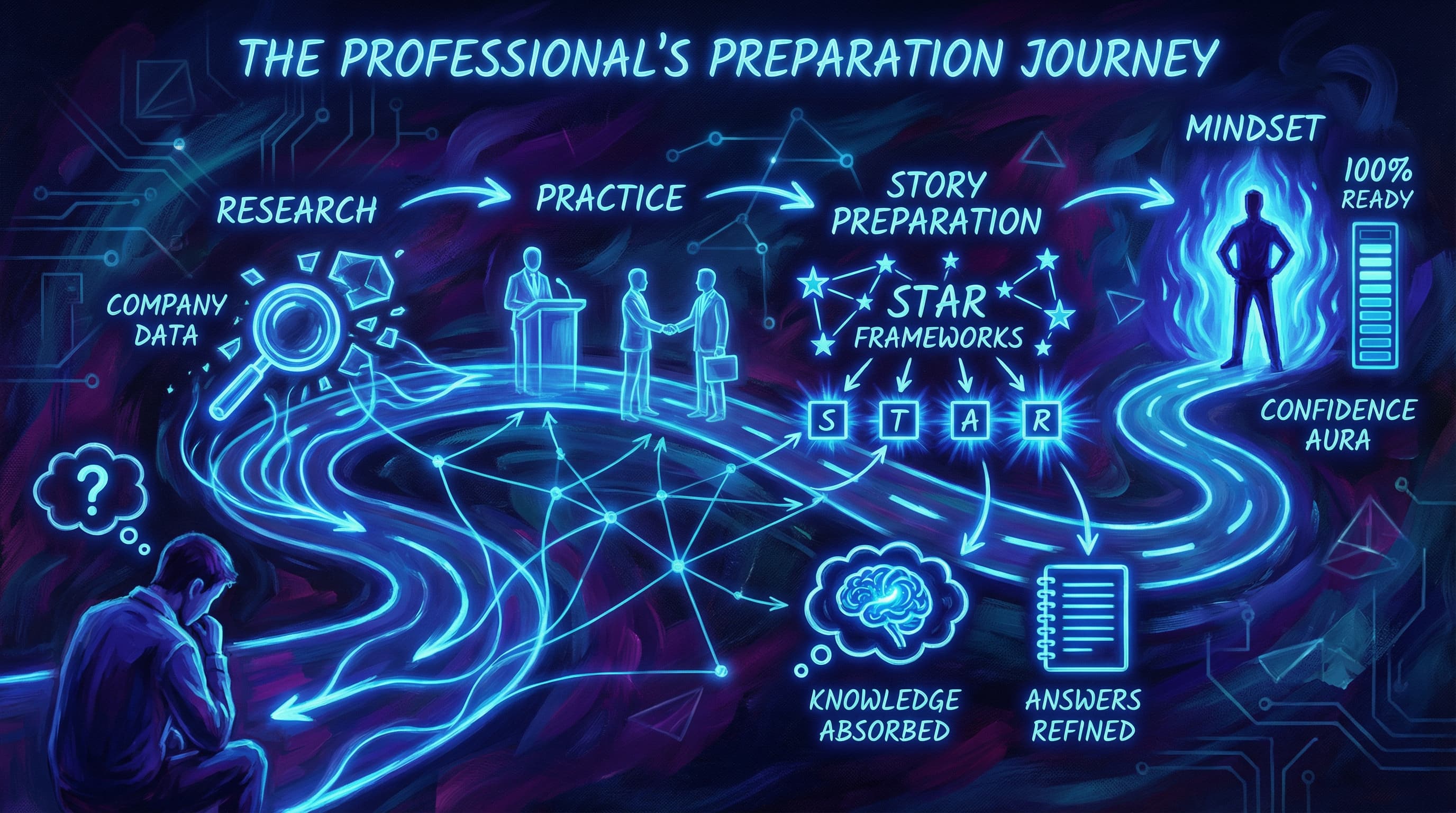
🔍 साक्षात्कार से पहले
1. गहन शोध करें 🎯
- कंपनी की वेबसाइट, हालिया समाचार और प्रेस विज्ञप्तियों का अध्ययन करें
- LinkedIn पर टीम के सदस्यों पर शोध करें
- संस्कृति को समझने के लिए Glassdoor पर कर्मचारियों की समीक्षाएं पढ़ें
- प्रतिस्पर्धियों और बाजार में कंपनी की स्थिति को समझें
- हालिया कंपनी पहल, विस्तार या उत्पाद लॉन्च की समीक्षा करें
2. अपनी कहानियाँ तैयार करें 📖
- STAR पद्धति का उपयोग करके 6-8 पेशेवर कहानियाँ पहचानें
- इनमें चुनौतियों पर विजय पाने, नेतृत्व, सहयोग, सीखने, असफलता और सुधार, और प्रासंगिक कौशल प्रदर्शन के उदाहरण शामिल होने चाहिए
- प्रत्येक कहानी को 1-2 मिनट में बताने का अभ्यास करें
- सुनिश्चित करें कि प्रत्येक कहानी के मापने योग्य परिणाम हों
3. अपनी सामग्री तैयार करें ✏️
- प्रत्येक विशिष्ट भूमिका के लिए अपना बायोडाटा और कवर लेटर अनुकूलित करें
- नौकरी के विवरण की गहन समीक्षा करें और आवश्यक योग्यताओं की पहचान करें
- प्रत्येक योग्यता का प्रदर्शन करने वाले ठोस उदाहरण तैयार करें
- अपनी भाषा को कंपनी के मूल्यों और मिशन के साथ संरेखित करें
4. ज़ोर से अभ्यास करें 🗣️
- सामान्य प्रश्नों के उत्तर देते हुए खुद को रिकॉर्ड करें
- साक्षात्कारकर्ता के रूप में अभिनय करने वाले मित्र के साथ अभ्यास करें
- स्पष्टता, गति, शारीरिक भाषा और प्रामाणिकता पर फीडबैक प्राप्त करें
- सहज, संवादात्मक तरीके से उत्तर देने का लक्ष्य रखें—रटे-रटाए, रोबोटिक उत्तर नहीं
💬 साक्षात्कार के दौरान
1. अपनी मानसिकता प्रबंधित करें 🧠
- याद रखें: साक्षात्कार एक दो-तरफा बातचीत है
- आप उनका मूल्यांकन उतना ही कर रहे हैं जितना वे आपका कर रहे हैं
- घबराहट सामान्य है—इसे ऊर्जा और जुड़ाव में बदलें
- यह जानकर चलें कि आपके पास देने के लिए मूल्यवान कौशल और अनुभव है
2. मज़बूत बॉडी लैंग्वेज का प्रयोग करें 💪
- उचित आँख से संपर्क (eye contact) बनाए रखें
- ईमानदारी से मुस्कुराएं और गर्मजोशी दिखाएं
- सीधी और खुली मुद्रा (posture) के साथ बैठें
- बिंदुओं पर ज़ोर देने के लिए स्वाभाविक हाथ के इशारों का प्रयोग करें
- अपनी आवाज़ को आत्मविश्वास और स्पष्टता के साथ प्रोजेक्ट करें
3. ध्यान से सुनें 👂
- उत्तर देने से पहले रुकें ताकि यह सुनिश्चित हो सके कि आपने प्रश्न समझ लिया है
- यदि आवश्यक हो तो स्पष्ट प्रश्न पूछें ("क्या आप X या Y के बारे में पूछ रहे हैं?")
- प्रत्येक प्रश्न में अंतर्निहित चिंता या लक्ष्य को सुनें
- यदि उचित हो तो संक्षिप्त नोट्स लें
4. विशिष्टता के साथ उत्तर दें 🎯
- ठोस उदाहरणों का प्रयोग करें, सामान्यीकरण या काल्पनिक स्थितियों का नहीं
- जहाँ भी संभव हो संख्या और मापने योग्य परिणाम शामिल करें
- अपना व्यक्तिगत योगदान स्पष्ट रूप से समझाएं ("मैं" का उपयोग करें, केवल "हम" का नहीं)
- उत्तरों को अधिकतम 1-2 मिनट तक रखें—संक्षिप्त रहें
✉️ साक्षात्कार के बाद
1. धन्यवाद नोट भेजें 🙏
- साक्षात्कार के 24 घंटों के भीतर भेजें
- इसे विशिष्ट साक्षात्कारकर्ता के लिए वैयक्तिकृत (personalize) करें
- भूमिका में अपनी वास्तविक रुचि दोहराएं
- अपनी बातचीत से किसी विशिष्ट चीज़ का संक्षेप में उल्लेख करें
- इसे पेशेवर लेकिन गर्मजोशीपूर्ण और प्रामाणिक रखें
2. विचार करें और फॉलो अप करें 🔄
- यदि आपको बताए गए समय के भीतर जवाब नहीं मिलता है, तो पेशेवर रूप से फॉलो अप करें
- अस्वीकृति के लिए तैयार रहें—यह आमतौर पर व्यक्तिगत नहीं होता है
- सुधार के लिए असफल साक्षात्कारों से मिले फीडबैक का उपयोग करें
- क्या अच्छा रहा और क्या सुधारना है, इस पर विस्तृत नोट्स रखें
🎯 भाग 5: प्रश्नों के प्रकार और रणनीतियाँ
🎭 व्यावहारिक प्रश्न ("मुझे उस समय के बारे में बताएं जब…")
⭐ रणनीति: STAR पद्धति का धार्मिक रूप से पालन करें। साक्षात्कारकर्ता पिछले व्यवहार के माध्यम से योग्यताओं के सबूत ढूंढ रहे हैं, जो भविष्य के प्रदर्शन का सबसे अच्छा संकेतक है।
📝 सामान्य पैटर्न:
- नेतृत्व: "मुझे उस समय के बारे में बताएं जब आपने किसी टीम या प्रोजेक्ट का नेतृत्व किया था।"
- संघर्ष समाधान: "उस समय का वर्णन करें जब आप किसी सहकर्मी के साथ असहमत थे।"
- समस्या-समाधान: "मुझे उस चुनौती के बारे में बताएं जिसे आपने पार किया।"
- तनाव प्रबंधन: "उस समय के बारे में बताएं जब आपने दबाव में काम किया।"
- अनुकूलन क्षमता: "उस समय का वर्णन करें जब आपको कुछ नया जल्दी सीखना पड़ा।"
🔮 परिस्थितिजन्य प्रश्न ("यदि… तो आप क्या करेंगे?")
⭐ रणनीति: बोलने से पहले सोचें। अपनी निर्णय लेने की प्रक्रिया और तर्क दिखाएं, न कि केवल अपना निष्कर्ष। कई दृष्टिकोणों और संभावित परिणामों पर विचार करें।
📝 सामान्य पैटर्न:
- कठिन स्थितियों को संभालना: "यदि कोई ग्राहक परेशान हो तो आप क्या करेंगे?"
- नैतिक दुविधाएं: "क्या होगा यदि आपको पता चले कि कोई सहकर्मी गलत रास्ता अपना रहा है?"
- तकनीकी चुनौतियां: "आप किसी अप्रत्याशित प्रोजेक्ट देरी को कैसे संभालेंगे?"
- संसाधन की कमी: "क्या होगा यदि आपके पास अपने आदर्श समाधान के लिए बजट न हो?"
💡 योग्यता प्रश्न ("मुझे X के साथ अपने अनुभव के बारे में बताएं")
⭐ रणनीति: सीधे उल्लेखित कौशल को संबोधित करें, उदाहरणों के साथ ठोस सबूत प्रदान करें, और दिखाएं कि आप आवश्यकता को पूरा करते हैं या उससे अधिक हैं।
📝 सामान्य पैटर्न:
- कौशल-आधारित: "प्रोजेक्ट मैनेजमेंट के साथ आपका क्या अनुभव है?"
- तकनीकी: "आप [विशिष्ट सॉफ़्टवेयर/टूल] के साथ कितने कुशल हैं?"
- सॉफ्ट स्किल्स: "मुझे अपने संचार कौशल के बारे में बताएं।"
- उद्योग ज्ञान: "आप [उद्योग प्रवृत्ति] के बारे में क्या जानते हैं?"
📄 पृष्ठभूमि प्रश्न (बायोडाटा-आधारित)
⭐ रणनीति: अपने बायोडाटा के हर फैसले और हर लाइन को समझाने के लिए तैयार रहें। करियर के सभी बदलावों को सकारात्मक रूप से फ्रेम करें और जानबूझकर करियर की प्रगति दिखाएं।
📝 सामान्य पैटर्न:
- रोजगार में अंतराल: "आपके कार्य इतिहास में अंतराल क्यों है?"
- करियर परिवर्तन: "आप X उद्योग से Y में क्यों चले गए?"
- बार-बार नौकरी बदलना: "मैं देख रहा हूँ कि आपने अक्सर नौकरियाँ बदली हैं। क्यों?"
- समान स्तर पर बदलाव (Lateral moves): "आपने पदोन्नति के बजाय समान स्तर पर बदलाव क्यों किया?"
🎯 निष्कर्ष: साक्षात्कार में सफलता का आपका मार्ग
नौकरी के साक्षात्कार में तैयारी के साथ जाना इस बात की गारंटी नहीं देता कि आपको नौकरी मिल जाएगी, लेकिन यह आपकी संभावनाओं और आपके आत्मविश्वास को नाटकीय रूप से बढ़ा देता है।
इन प्रमुख सिद्धांतों को याद रखें:
-
📚 तैयारी आपका प्रतिस्पर्धी लाभ है। 85% साक्षात्कार प्रश्नों के अनुमानित होने के साथ, तैयारी न होने का कोई बहाना नहीं है। जो उम्मीदवार सफल होते हैं वे तैयारी को उतना ही गंभीरता से लेते हैं जितना कि साक्षात्कार को।
-
⭐ STAR पद्धति का धार्मिक रूप से उपयोग करें। व्यावहारिक प्रश्न तेजी से सामान्य होते जा रहे हैं क्योंकि वे भविष्य के प्रदर्शन का सबसे अच्छा संकेतक हैं। STAR ढांचे में महारत हासिल करें और इसे लगातार लागू करें।
-
🔍 वास्तविक और गहराई से शोध करें। आपका शोध इस बात में स्पष्ट होना चाहिए कि आप कंपनी, उसकी चुनौतियों और उसके अवसरों के बारे में कितनी विशिष्टता से बात कर सकते हैं। होमपेज से आगे बढ़ें।
-
💫 प्रामाणिक रूप से स्वयं बने रहें। सर्वश्रेष्ठ साक्षात्कार बातचीत की तरह लगते हैं, पूछताछ की तरह नहीं। आप जितने वास्तविक और मिलनसार होंगे, आप और साक्षात्कारकर्ता दोनों उतने ही सहज महसूस करेंगे।
-
🤝 साक्षात्कारों को दो-तरफा बातचीत के रूप में देखें। आप उनका मूल्यांकन उतना ही कर रहे हैं जितना वे आपका कर रहे हैं। यह मानसिकता चिंता को कम करती है और अधिक संतुलित, ईमानदार बातचीत की ओर ले जाती।
-
🗣️ अभ्यास करें, लेकिन रटें नहीं। रटे-रटाए उत्तर रोबोटिक और अप्रामाणिक लगते हैं। तब तक अभ्यास करें जब तक कि आपके उत्तर स्वाभाविक और संवादात्मक न लगने लगें, फिर खुद पर भरोसा करें।
-
💪 अपना मूल्य याद रखें। यदि उन्हें नहीं लगता कि आप संभावित रूप से नौकरी कर सकते हैं, तो आप साक्षात्कार नहीं दे रहे होते। यह जानकर चलें कि आपके पास देने के लिए कुछ मूल्यवान है, और उस आत्मविश्वास को दिखने दें।
साक्षात्कार आपके बायोडाटा को एक दस्तावेज़ से जीवित, सांस लेते पेशेवर में बदलने का अवसर है। इसका उपयोग न केवल यह दिखाने के लिए करें कि आपने क्या किया है, बल्कि यह भी दिखाने के लिए करें कि आप कौन हैं, आप कैसे सोचते हैं, और आप क्या बनने में सक्षम हैं।
इन उत्तरों को शब्द-दर-शब्द न रटें; इसके बजाय, अपनी अनूठी अनुभूतियों और व्यक्तित्व को प्रतिबिंबित करने वाली अपनी प्रामाणिक प्रतिक्रियाएँ तैयार करने के लिए इनका उपयोग प्रेरणा के रूप में करें। ज़ोर से उत्तर देने का अभ्यास करें, व्यावहारिक प्रश्नों के लिए STAR पद्धति को आत्मसात करें, और वास्तविक आत्मविश्वास के साथ उस साक्षात्कार कक्ष में कदम रखें।
आप यह कर सकते हैं। शुभकामनाएँ!
अक्सर पूछे जाने वाले प्रश्न
सामान्य प्रश्नों के त्वरित उत्तर
STAR विधि व्यवहारिक साक्षात्कार प्रश्नों का उत्तर देने के लिए उद्योग-मानक ढांचा है (वे जो "मुझे एक समय के बारे में बताएं जब..." या "मुझे एक उदाहरण दें..." से शुरू होते हैं)। इसका मतलब है:
- S - स्थिति (Situation): संक्षेप में उस संदर्भ या चुनौती का वर्णन करें जिसका आपने सामना किया
- T - कार्य (Task): उस स्थिति में अपनी भूमिका या जिम्मेदारी समझाएं
- A - कार्रवाई (Action): विशिष्ट कदमों का विवरण दें जो आपने उठाए ("मैं" कथन का उपयोग करें, "हम" नहीं)
- R - परिणाम (Result): मापने योग्य परिणाम साझा करें और आपने क्या सीखा
इस संरचना का उपयोग सुनिश्चित करता है कि आपके उत्तर संक्षिप्त, केंद्रित और प्रभावशाली हैं। यह अस्पष्ट उत्तरों को सम्मोहक, यादगार कहानियों में बदलता है जो आपकी क्षमता और मूल्य प्रदर्शित करते हैं। यह ढांचा महत्वपूर्ण है क्योंकि व्यवहारिक प्रश्न तेजी से सामान्य हो रहे हैं — पिछला व्यवहार भविष्य के प्रदर्शन का सबसे अच्छा भविष्यवक्ता है।
पेशेवर रहें, व्यक्तिगत नहीं, और अपने उत्तर को तीन भागों में संरचित करें:
- वर्तमान 🎯: आपकी वर्तमान भूमिका और विशेषज्ञता (1-2 वाक्य)
- अतीत 📚: एक या दो प्रासंगिक उपलब्धियां या अनुभव (1-2 वाक्य)
- भविष्य 🚀: आप इस विशिष्ट भूमिका के बारे में उत्साहित क्यों हैं (1-2 वाक्य)
⏱️ अपने उत्तर को 1-2 मिनट के बीच रखें अधिकतम। यह पूछकर समाप्त करें कि क्या वे चाहते हैं कि आप किसी चीज़ को विस्तार से बताएं।
बचने योग्य सामान्य गलतियाँ:
- 2 मिनट से अधिक भटकना या अपना पूरा रिज्यूमे सुनाना
- नौकरी-विशिष्ट विवरण के बिना बहुत सामान्य होना
- भूमिका से असंबंधित व्यक्तिगत रुचियों के बारे में बात करना
- बचपन की कहानियों या अप्रासंगिक पृष्ठभूमि से शुरू करना
आपका साक्षात्कारकर्ता आपकी जीवन कहानी नहीं खोज रहा है — वे समझना चाहते हैं कि आपका अनुभव, कौशल और महत्वाकांक्षाएं भूमिका के साथ कैसे संरेखित होती हैं।
ईमानदार लेकिन रणनीतिक बनें। एक वास्तविक कमजोरी चुनें जो भूमिका के लिए महत्वपूर्ण नहीं है, फिर वर्णन करें कि आप इसे दूर करने के लिए सक्रिय रूप से कैसे काम कर रहे हैं। कुंजी विकास मानसिकता और आत्म-जागरूकता दिखाना है।
सूत्र:
- एक वास्तविक कमजोरी की पहचान करें (नकली नहीं)
- समझाएं कि आपने कैसे पहचाना कि यह आपको रोक रहा था
- सुधार के लिए आपने जो विशिष्ट कदम उठाए हैं उनका वर्णन करें
- आपने जो मापने योग्य प्रगति की है उसे साझा करें
इन क्लिच से बचें: ❌ "मैं बहुत मेहनत करता हूं" या "मैं पूर्णतावादी हूं" ❌ नौकरी के लिए महत्वपूर्ण कमजोरियां चुनना ❌ कहना कि आपमें कोई कमजोरी नहीं है ❌ उल्लेख न करना कि आप सक्रिय रूप से कैसे सुधार रहे हैं
उदाहरण: "मैं पूर्णतावादी हूं" के बजाय, कहें "मैंने ऐतिहासिक रूप से सार्वजनिक बोलने में संघर्ष किया है। मैंने पहचाना कि यह मेरे प्रभाव को सीमित कर रहा था, इसलिए मैंने प्रस्तुति कौशल पाठ्यक्रम लिया, Toastmasters में शामिल हुआ, और अधिक प्रस्तुतियों के लिए स्वेच्छा से काम किया। हालांकि यह अभी भी मेरा सबसे मजबूत कौशल नहीं है, मैंने इसे देयता से आत्मविश्वास के साथ करने वाली चीज़ में बदल दिया है।"
जो कोई दावा करता है कि उसमें कोई कमजोरी नहीं है वह अविश्वसनीय है। दिखाएं कि आप प्रशिक्षण योग्य और आत्म-जागरूक हैं।
5-7 विचारशील प्रश्न तैयार करें लेकिन वास्तविक साक्षात्कार के दौरान 3-5 पूछने की योजना बनाएं। यह साक्षात्कारकर्ता को अभिभूत किए बिना या इसे पूछताछ में बदले बिना वास्तविक रुचि दिखाता है।
पूछने के लिए मजबूत प्रश्न:
- "इस भूमिका में किसी के लिए सफलता कैसी दिखती है?"
- "वर्तमान में आपकी टीम किन सबसे बड़ी चुनौतियों का सामना कर रही है?"
- "आप टीम गतिशीलता और संस्कृति का वर्णन कैसे करेंगे?"
- "व्यक्तिगत रूप से आपको इस कंपनी के लिए काम करने के लिए क्या आकर्षित किया?"
- "इस भूमिका के लिए सफलता कैसे मापी जाती है?"
कभी न कहें कि आपके पास कोई प्रश्न नहीं है—यह रुचि या तैयारी की कमी का सुझाव देता है।
पूछने से बचें: ❌ पहले साक्षात्कार में वेतन, छुट्टियां या लाभ (ऑफर चरण के लिए सहेजें) ❌ उनकी वेबसाइट पर आसानी से उत्तर दिए गए प्रश्न ❌ आक्रामक या अभिमानी प्रश्न
अधिक रणनीतिक प्रश्नों के लिए, साक्षात्कार के अंत में पूछने के लिए 20 शक्तिशाली प्रश्नों पर हमारी गाइड देखें।
नहीं, शब्द-दर-शब्द उत्तर याद न करें—वे रोबोटिक और अप्रामाणिक लगेंगे। इसके बजाय, ढांचे तैयार करें और तब तक अभ्यास करें जब तक उत्तर स्वाभाविक न लगें।
इसके बजाय क्या करें:
- 6-8 पेशेवर कहानियां तैयार करें STAR विधि का उपयोग करके विभिन्न दक्षताओं को कवर करते हुए
- प्रत्येक कहानी को सुनाने का अभ्यास करें 1-2 मिनट में जोर से
- संरचना को आत्मसात करें (STAR ढांचा, मुख्य बिंदु) लेकिन सटीक शब्दांकन नहीं
- अपने आप को रिकॉर्ड करें और स्पष्टता, गति और प्रामाणिकता पर प्रतिक्रिया प्राप्त करें
- एक मित्र के साथ अभ्यास करें जो साक्षात्कारकर्ता के रूप में कार्य करता है
याद करना क्यों विफल होता है:
- वितरण के दौरान पूर्वाभ्यास और अप्राकृतिक लगता है
- यदि आप एक शब्द भूल जाते हैं या बाधित हो जाते हैं तो आप घबरा जाएंगे
- अनुवर्ती प्रश्नों के अनुकूल होने से रोकता है
- प्रामाणिक बातचीत और तालमेल-निर्माण को समाप्त करता है
लक्ष्य: तब तक अभ्यास करें जब तक आपके उत्तर बातचीत और प्रामाणिक महसूस न हों, स्क्रिप्टेड नहीं। आपको अपनी कहानियों को इतनी अच्छी तरह से जानना चाहिए कि आप उन्हें स्वाभाविक रूप से बता सकें जबकि आंखों का संपर्क और वास्तविक जुड़ाव बनाए रखें। इसे एक दोस्त को कुछ बताने के रूप में सोचें जो हुआ — आप कहानी को अच्छी तरह से जानते हैं, लेकिन आप इसे हर बार शब्द-दर-शब्द नहीं सुनाते।
क्या यह लेख सहायक था?
विषय सूची
💡 तैयारी क्यों महत्वपूर्ण है
⭐ STAR पद्धति: आपका गुप्त हथियार
📋 भाग 1: बुनियादी साक्षात्कार प्रश्न
🎭 भाग 2: व्यावहारिक साक्षात्कार प्रश्न
💼 भाग 3: भूमिका-विशिष्ट और परिस्थितिजन्य प्रश्न
📚 भाग 4: सार्वभौमिक साक्षात्कार रणनीतियाँ
🎯 भाग 5: प्रश्नों के प्रकार और रणनीतियाँ
🎯 निष्कर्ष: साक्षात्कार में सफलता का आपका मार्ग
1STAR विधि क्या है और यह साक्षात्कार के लिए महत्वपूर्ण क्यों है?
2नौकरी के साक्षात्कार में मुझे 'अपने बारे में बताएं' का उत्तर कैसे देना चाहिए?
3'आपकी कमजोरियां क्या हैं' का उत्तर देने का सबसे अच्छा तरीका क्या है?
4साक्षात्कारकर्ता से पूछने के लिए मुझे कितने प्रश्न तैयार करने चाहिए?
5क्या मुझे अपने साक्षात्कार उत्तर याद करने चाहिए?
इस लेख को साझा करें
अन्य लेख

इंटरव्यू के अंत में पूछे जाने वाले 20 जबरदस्त सवाल
टेबल पलटें और उन रणनीतिक सवालों से हायरिंग मैनेजर्स को प्रभावित करें जो आपकी वैल्यू दिखाते हैं और इंटरव्यू को शानदार तरीके से समाप्त करते हैं।
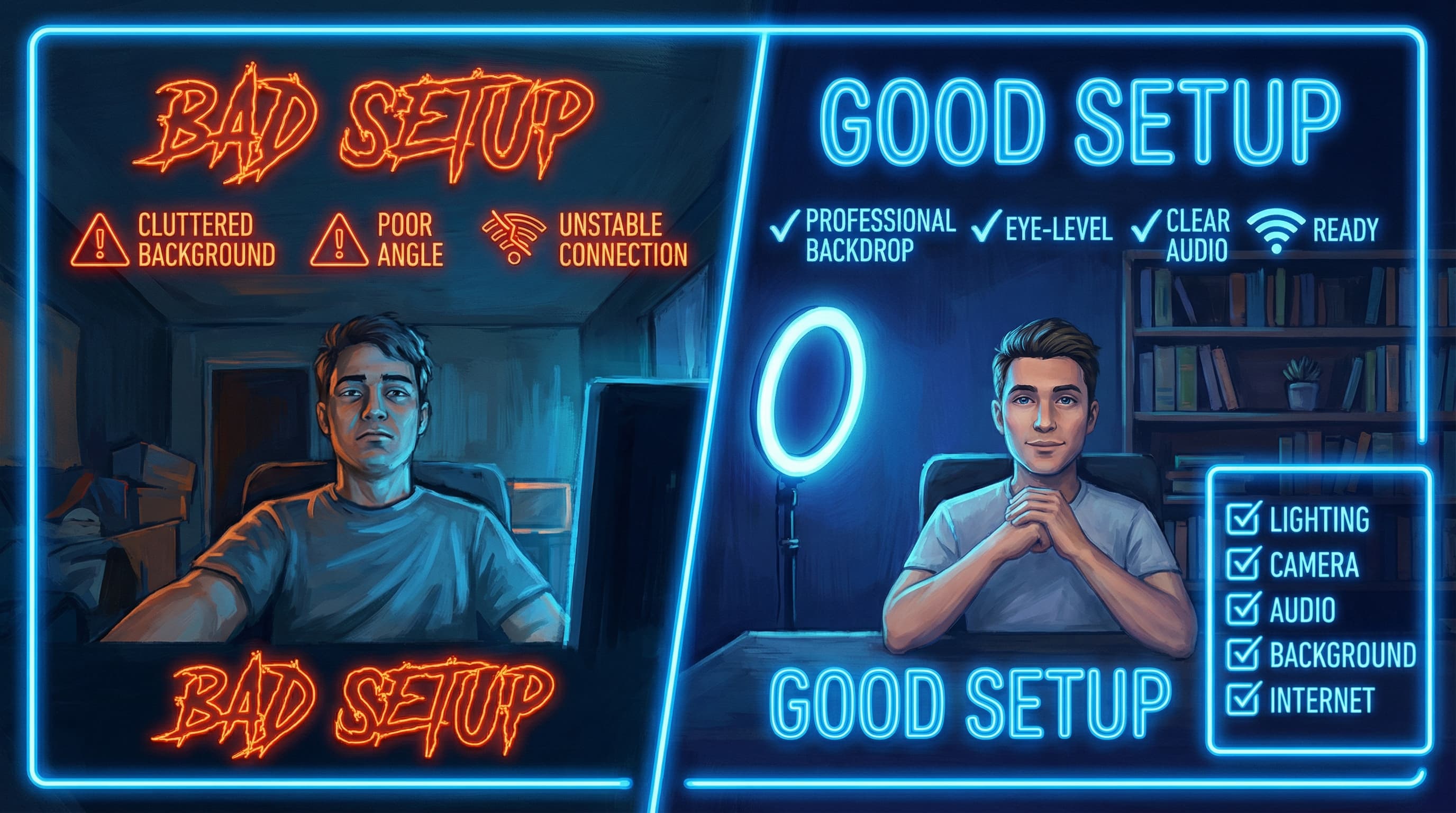
ज़ूम इंटरव्यू में कैसे सफल हों: सेटअप, लाइटिंग और शिष्टाचार
तकनीकी सेटअप, लाइटिंग, बैकग्राउंड और पेशेवर शिष्टाचार पर विशेषज्ञ युक्तियों के साथ वर्चुअल इंटरव्यू की कला में महारत हासिल करें।

अपने आप का वर्णन करने के लिए 150+ शब्द (उदाहरणों के साथ)
अपनी ताकत, व्यक्तित्व और अनूठे गुणों को व्यक्त करने के लिए एक व्यापक मार्गदर्शिका।